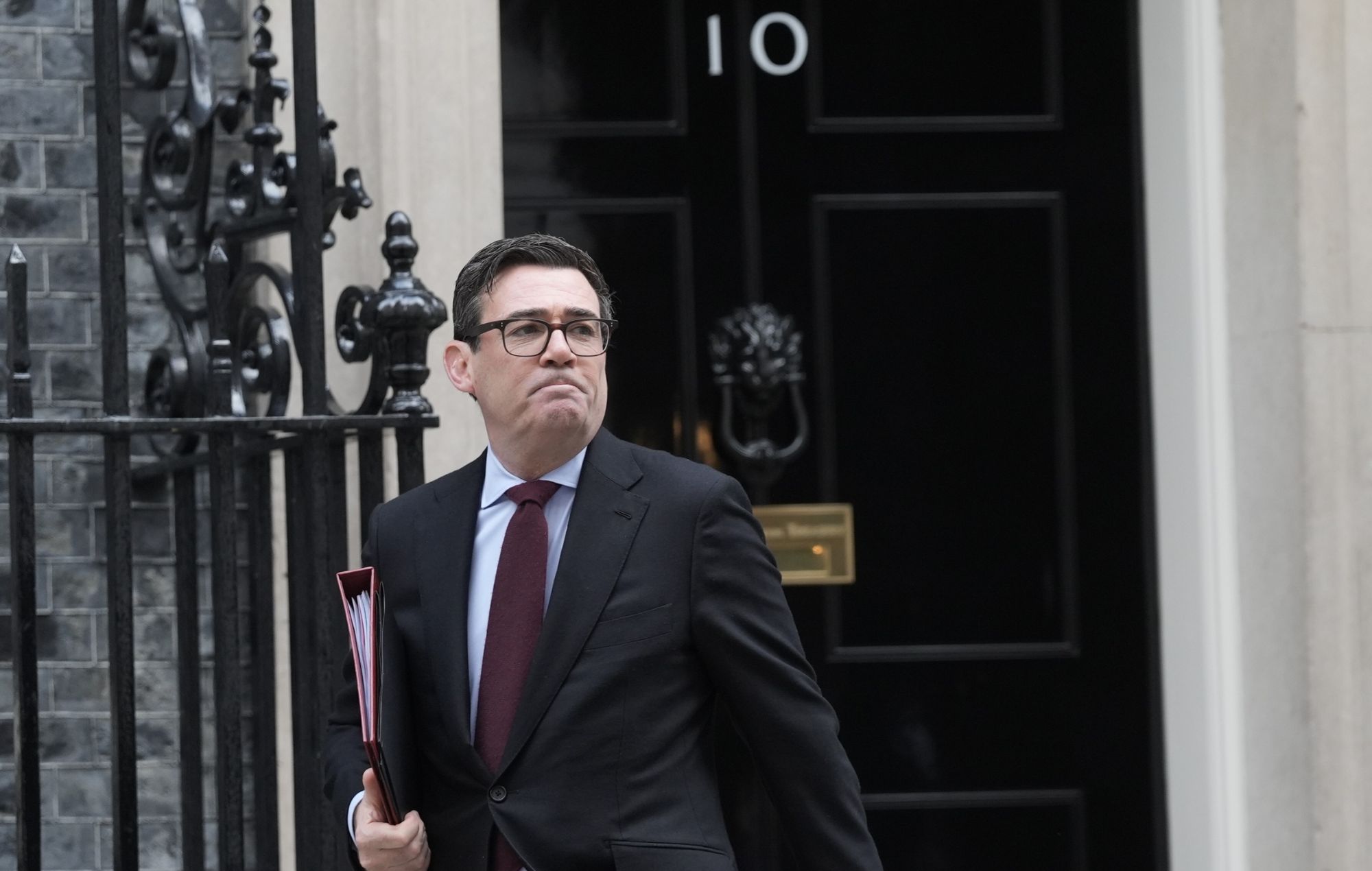
Loading an old splitter van and heading across the English Channel used to be how British acts cut their teeth, built audiences across the continent, and turned studio projects into working careers. Following Britain's departure from the European Union, that path turned into an expensive bureaucratic ordeal. Rising transport bills, paperwork, and the loss of automatic visa free travel for performers and road crews quickly placed heavy strain on emerging talent. Now, after years of friction, Westminster is pointing toward a potential shift. Prime Minister Andy Burnham told the House of Commons that negotiators have agreed on text with Brussels intended to help British musicians tour mainland Europe more easily.
Addressing members of parliament, Burnham acknowledged that leaving the bloc made touring far more demanding for domestic talent. Describing music as arguably the country's finest export, he warned that the UK cannot afford to take the sector for granted. He argued that both sides now have an opening to secure mutually beneficial arrangements, telling working musicians that his administration intends to capitalize on the opportunity.
The announcement followed a UK and EU summit held in Brussels on Friday, November 20. The meeting yielded a wider reset package covering emissions trading, food and drink, and a youth mobility agreement. Under that mobility framework, 100,000 young Britons will receive permission to live, study, work, and travel across the EU, with reciprocal terms granted to European citizens arriving in Britain. Burnham called the summit historic and helpful for both sides, explaining that it tackled pressing public concerns. Broader discussions about future ties will continue through informal brainstorming sessions, though the Prime Minister noted that any eventual proposal to rejoin the bloc would require a public vote.
The push for fresh terms comes after years of documented setbacks across the live music sector. A 2024 report by the Musicians' Union revealed that 75 percent of UK performers suffered a drop in European bookings following Brexit. Furthermore, 79 percent of those surveyed reported that they could not replace those lost appearances elsewhere, with most stating that touring mainland Europe had ceased to be financially viable. UK Music reached similar conclusions in its own study, warning that post-referendum difficulties were worsening. The organization noted that sector growth rates had fallen by more than half compared to 2023, even as top tier commercial performers generated record revenues.
Parliamentary pressure to resolve the situation has grown throughout the year. The Labour administration stated its commitment to resolving the problem in March, which was followed in June by an MPs' report calling for closer collaboration with European counterparts to remove touring hurdles. Culture minister Ian Murray highlighted the mutual interest in reaching an agreement, noting that the British music industry supports over 200,000 jobs and brings £8 billion into the domestic economy. Murray remarked that other nations would give their right arm for a fraction of Britain's cultural reach, stressing that creative industries represent a vital national asset rather than a secondary luxury.
Whether the newly drafted terms will quickly clear the practical obstacles at European borders remains to be seen. Working crews and independent performers have spent years dealing with lost income and canceled dates, meaning the fine print will face intense scrutiny. Even so, the statement in parliament marks the first time in years that the door to mainland touring has looked open rather than firmly shut.