Reaching a fortieth anniversary is an uncommon milestone for any debut record, especially one born out of subcultures that the wider industry once wrote off as passing fads. When Beastie Boys put out Licensed to Ill on November 15, 1986, the album forced hip-hop and underground guitar music into the same room, refusing to treat them as incompatible styles. Four decades later, that brash introduction is receiving a fresh archival release.
Def Jam Recordings and UMe have set a limited-edition two-LP reissue of the record for March 18, 2027. Advance orders are currently underway, putting in motion an expanded physical edition aimed at both longtime collectors and listeners coming to the album decades after the fact.
The shift from a single disc to a two-disc pressing is the most consequential technical change here. Spreading an album across four sides of vinyl is a familiar archival decision with tangible acoustic benefits. A single vinyl side can only hold so much audio before the grooves must be cut narrower and shallower to conserve space. Giving the songs four sides allows mastering engineers to cut wider, deeper grooves, accommodating a broader dynamic range and a more pronounced low-end punch. For an album driven by loud, distorted instrumentation, rapid tempos, and heavy drum programming, that extra space allows the rhythm section and the guitars room to operate without crowding each other out.
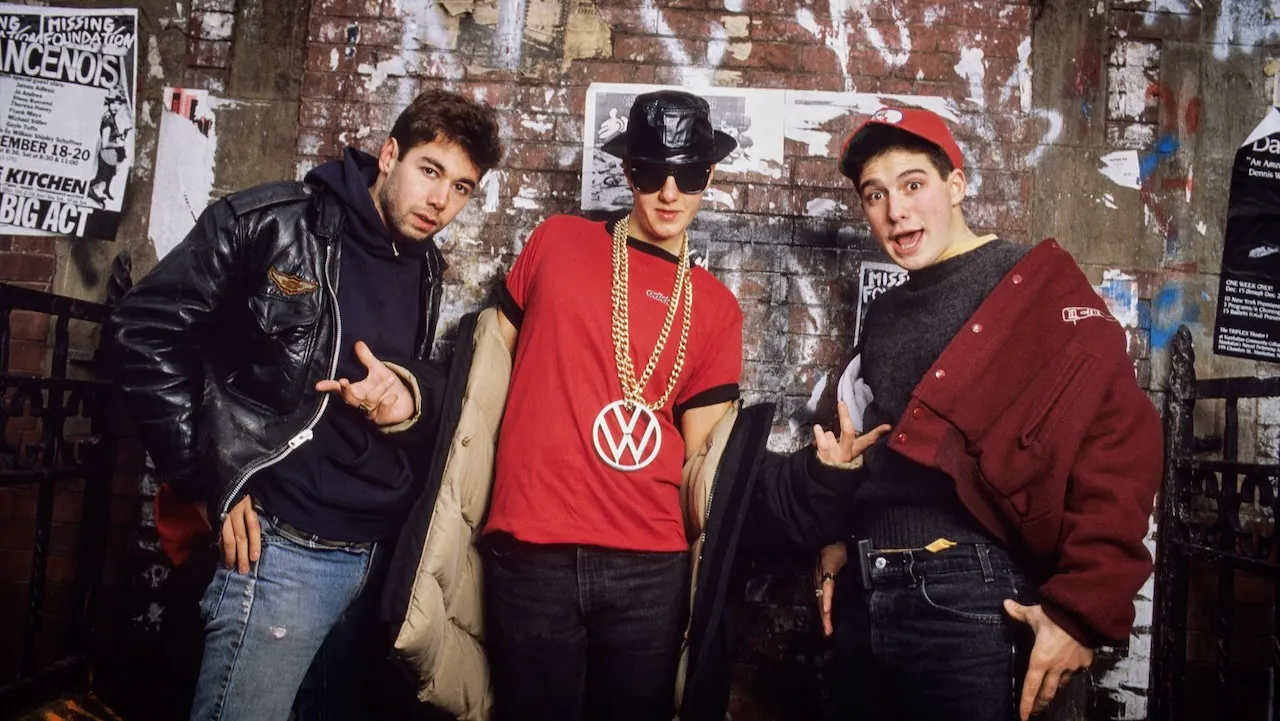
Musically, Licensed to Ill served as the first full-length demonstration of the chemistry between Ad-Rock, MCA, and Mike D. Coming directly out of a punk background, the trio carried that abrasive, confrontational style straight into the rhythmic structure of mid-1980s rap. Mainstream gatekeepers at the time generally viewed those two camps as distinct universes. Beastie Boys, however, focused on their shared urgency, capturing the kinetic and rebellious energy of New York City during an era marked by intense creative reinvention.
The collaboration between Def Jam and UMe also speaks to how legacy material continues to be handled in the physical market. Digital streaming services make historical recordings permanently accessible, but the market for limited vinyl still relies on thoughtful, tactile packaging. Presenting the album across an expanded double-disc format reinforces the physical ritual that originally met record buyers when the album first landed on shop racks in the autumn of 1986.
With the release date scheduled for early 2027, listeners have plenty of runway to revisit an album that dismantled stylistic borders from the jump. The forthcoming double-vinyl edition offers a practical, audiophile-minded way to keep that raw energy intact on physical media.