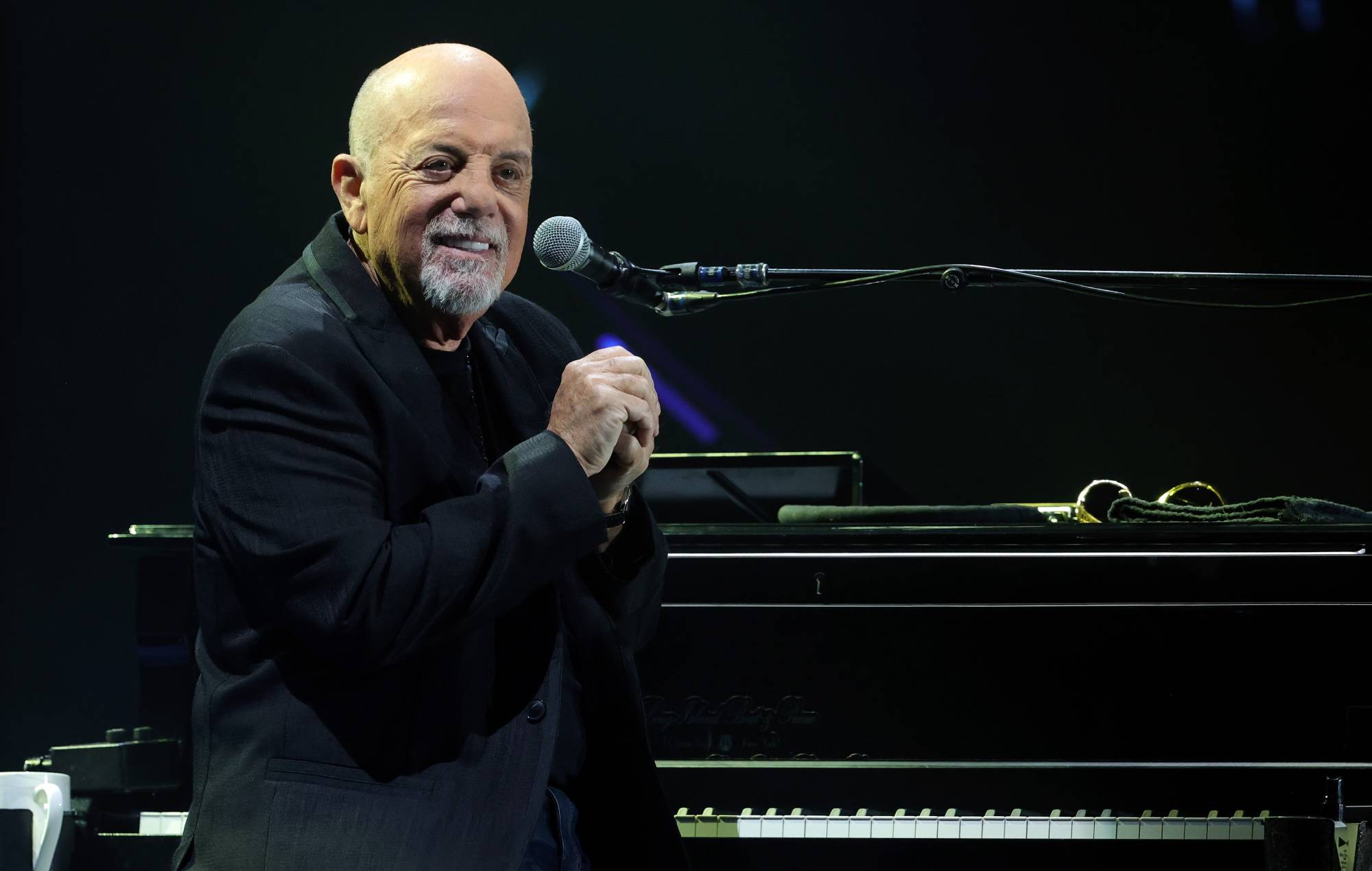
Anyone searching for Billy Joel on Thursday might have experienced a sudden chill. A prominent Google information box erroneously stamped the musician, now 77 years old, with a date of death, specifically citing September 17, 2026. In an era when automated summary cards are routinely taken as gospel before anyone clicks an actual source, the bizarre mistake triggered an immediate wave of alarm across the web.
Fortunately, the scare was dismantled almost as soon as it gathered steam. Joel's publicist, Claire Mercuri, quickly stepped forward to clear up the confusion and confirm that the singer is very much alive. While the internet panicked, Mercuri explained that she was actually exchanging emails with Joel in real time. The musician himself has stayed silent on his personal social media accounts regarding the algorithmic error, but the statement from his camp brought instant relief to listeners who feared the worst.
The intense concern was understandable given what Joel has navigated over the past year. He has been coping with normal pressure hydrocephalus, a neurological disorder that impairs balance and hearing. The condition previously forced him to cancel a run of tour dates, taking him away from the stage after decades of regular live performance. Whenever an artist steps back from touring to address neurological complications, fans naturally treat sudden online claims with heightened anxiety.
Even so, the months leading up to the false alarm offered plenty of reasons for optimism. In January, Joel played live for the first time since going public with his diagnosis. Rather than staging a massive stadium comeback, he made a surprise appearance in Florida alongside Turnstiles, a tribute band dedicated to his own catalog. Stepping up to sing his classic material in a relaxed, modest venue demonstrated that his drive to perform remains very much alive despite his physical challenges.
Family updates have told a similar story of steady progress. In March, his daughter Alexa Ray shared that her father was doing great while adhering to a diet that helped him shed weight. Praising his discipline, she described him as both a fighter and a trooper who has approached his health with genuine resilience. That proactive approach has served him well as he manages his condition away from the constant pressure of a heavy touring schedule.
The bizarre technical error was also particularly jarring because it followed genuine grief in Joel's circle. Earlier this month, Joel announced the death of Jon Small, a close friend and creative collaborator for decades. Working as both a musician and a music video director, Small played a key role in Joel's personal history, an eventful relationship documented in the film And So It Goes. Having to contend with automated death notices while still processing the loss of a lifelong friend must have made the online scramble feel doubly surreal.
Joel is not the only veteran artist caught in the gears of automated digital mistakes. In May, Bee Gees legend Barry Gibb found himself the subject of a viral passing rumor that swept across social networks. His representatives and family had to intervene, confirming that Gibb was in good health, perfectly happy, and enjoying his daily life at his home in the Miami area.
These recurring episodes show how quickly automated search tools can distribute false information before anyone bothers to verify reality. A stray date field or misread data point can trigger international worry within minutes, forcing artists and their representatives to drop what they are doing just to confirm they are still breathing. For now, Billy Joel is doing fine, leaving the internet to untangle its own technical blunders.