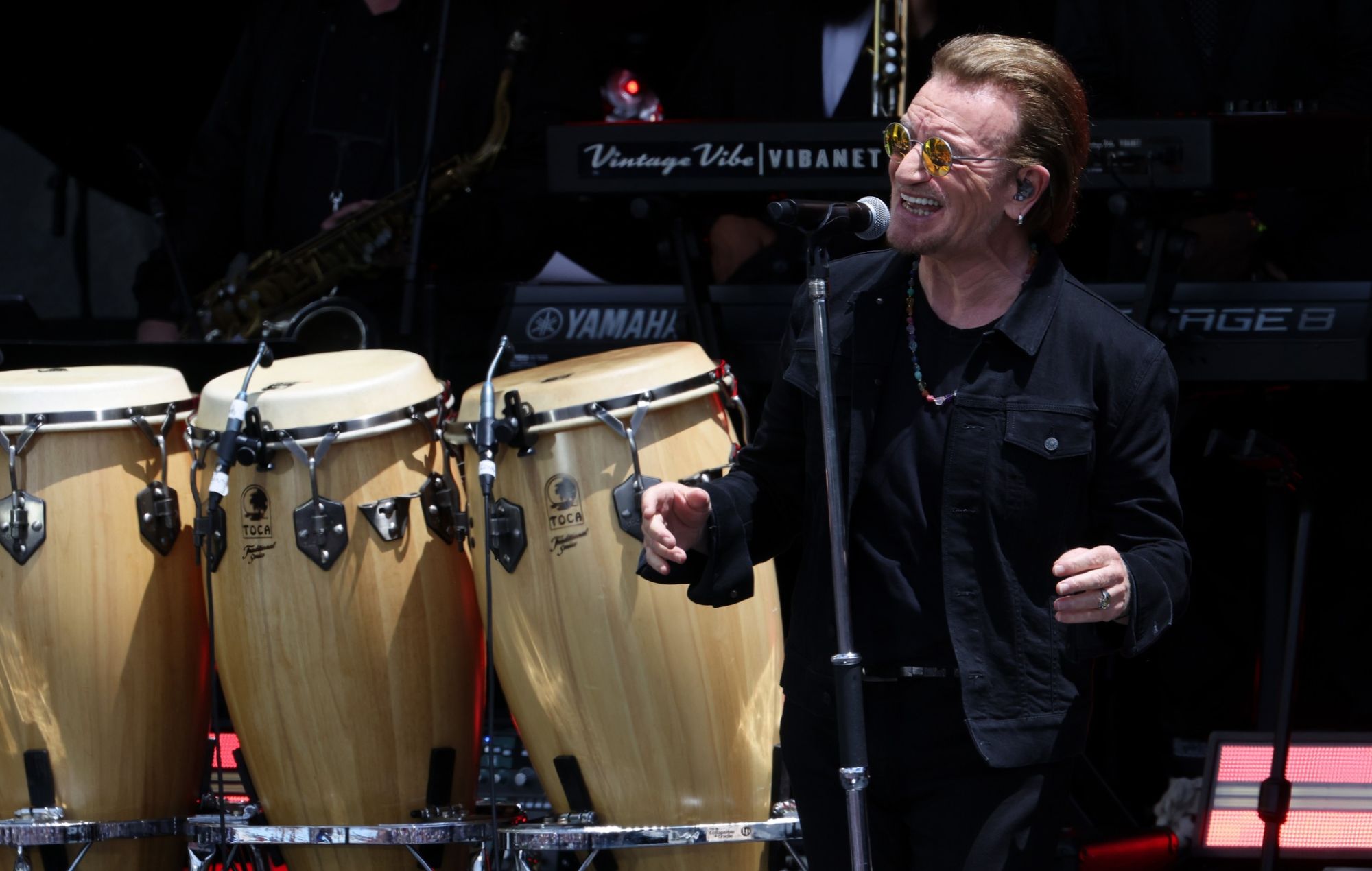
Few promotional gestures in pop history have backfired quite as memorably as the morning in 2014 when half a billion people woke up to find Songs of Innocence sitting in their personal music collections. It had arrived unprompted, courtesy of a direct tie up between U2 and Apple, landing without warning or permission inside roughly 500 million iTunes accounts around the world. What was intended as an unprecedented gift felt, to a substantial portion of those account holders, like an invasive digital imposition. Twelve years after the fact, Bono is still fielding questions about the event, and he continues to admit that he simply pushed things too far on that occasion.
The plan was audacious, yet the internal warnings had arrived well before the music appeared on individual screens. Bono has since taken full ownership of the idea, admitting that the push came directly from his side rather than from Cupertino or the band's inner circle. Both Apple chief executive Tim Cook and Paul McGuinness, who spent decades managing the quartet, were openly hesitant about the maneuver. Their argument was straightforward. After spending their entire careers convincing the public that recorded music was an art form worth paying for, giving a brand new studio collection away for free seemed completely counterproductive. Bono looked at the arrangement as a grand commercial experiment. The goal was to see if a massive corporate entity could fund the art in advance, absorbing the financial burden and carrying out distribution on its own dime.
Instead of receiving praise for upending the industry model, Apple found itself engineering a bespoke digital removal tool just so irritated customers could wipe the tracks from their devices. Over the years, the singer has offered several assessments of what went wrong. In his 2022 memoir, Surrender: 40 Songs, One Story, he characterized the drop as a clear overreach, writing that his main desire had been to show audiences just how little everyday working musicians actually take home. Later that year, he turned to an unconventional culinary metaphor to explain the disconnect between intention and execution. The band, as he saw it, originally pictured themselves as friendly milkmen leaving a complimentary bottle on the front porch, giving the homeowner full freedom to drink it or ignore it. In reality, he noted, they had barged right into the house, opened the refrigerator, and poured milk straight across the morning cereal without checking to see if anyone at the table was lactose intolerant.
The fallout reached far beyond consumer annoyance. In 2015, producer Flood weighed in on the situation, pointing out that the automatic distribution raised complicated questions regarding the actual value of music in modern culture. The giveaway forced listeners to confront their own individual tastes, but it also exposed a quieter, more concerning issue about whether large scale corporate distribution was quietly stripping away personal choice from the listener altogether.
Guitarist The Edge has taken a far more relaxed attitude toward the whole affair. In his view, missing the mark in full view of the public is simply the price of being a band that attempts to take chances. If you commit yourself to taking creative risks, he noted, stumbling in front of everyone is just part of the job.
These lingering reflections come at a pivotal moment for the quartet as they gear up for the release of their sixteenth studio album, Carnaval De Luz, scheduled for November 13. The upcoming release represents their first full set of brand new material since 2017, when they issued Songs of Experience, and listeners have already heard two advance tracks in Silencio and The Greatest Show On Earth. The group has also laid the groundwork for a major stadium tour in 2027, plotting dates across Argentina, Brazil, and Mexico, with Chile excluded from the initial itinerary. Those stadium appearances will be their first full scale concerts since they wrapped up their residency at the Las Vegas Sphere in 2024, and the shows will bring drummer Larry Mullen Jr. back behind the kit after his recovery from surgery.