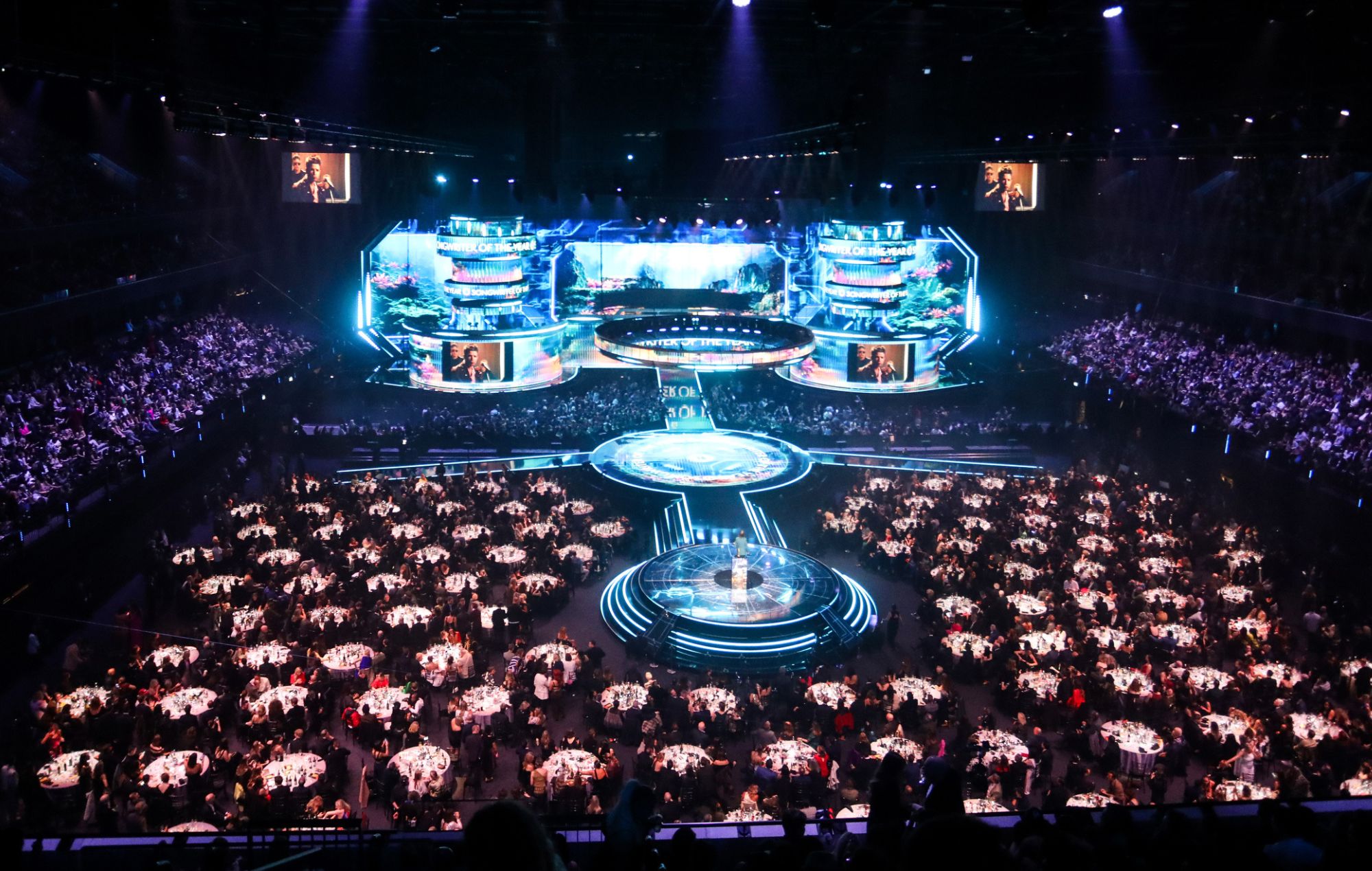
After nearly five decades of running the BRIT Awards exclusively in London, the music industry took a calculated detour earlier this year by staging the event in Manchester. It marked the first time the ceremony had ever left the capital, framed largely as an effort to distribute the commercial reach of the creative industries across the country. According to a newly published economic assessment, the northern transfer produced immediate, measurable financial gains for the host city.
An independent study by AMION Consulting found that the 2026 event delivered five million pounds in net additional expenditure to Manchester. Visitors traveling in from outside the city contributed 3.6 million pounds of that figure, while gross value added stood at 3.45 million pounds. Setting up the production and running its complementary schedule also led to an immediate spike in temporary employment, generating more than 3,000 jobs lasting for a single week. In assessing the wider civic footprint, researchers calculated the monetised social benefit to the community at 11.2 million pounds.
To avoid inflated figures, the researchers focused solely on money that stayed inside Manchester and would not have circulated there without the awards taking place. Direct revenue from ticket sales was excluded from the overall sum, and calculations were adjusted for displacement. Alongside the baseline financial totals, the report pointed to several broader advantages, including improved hotel bookings, fresh commercial links for local businesses, extensive city centre cultural events, and elevated exposure for the regional music community.
The reach of the event extended past the arena itself. Around 25,000 people attended either the ceremony or the satellite programming held across Manchester. The response from audiences was high. Ninety-two percent of attendees inside the main arena rated the experience as good or excellent, while satellite activities scattered across the city achieved a 94 percent positive rating from the public.
Stacey Tang, Co-President of RCA Records at Sony Music UK and Chair of the BRITs Committee, explained that shifting the ceremony was meant to do far more than change venues. The intention was to spotlight regional creative talent, broaden public engagement, and show that the music business provides direct financial investment and career opportunities alongside artistic worth. Dr Jo Twist OBE, chief executive of the BPI, similarly highlighted the objective of establishing a lasting regional legacy. Bev Craig, the Mayor of Greater Manchester, welcomed the findings, noting that the awards recognised the city region's musical lineage while proving its capacity to handle large international productions.
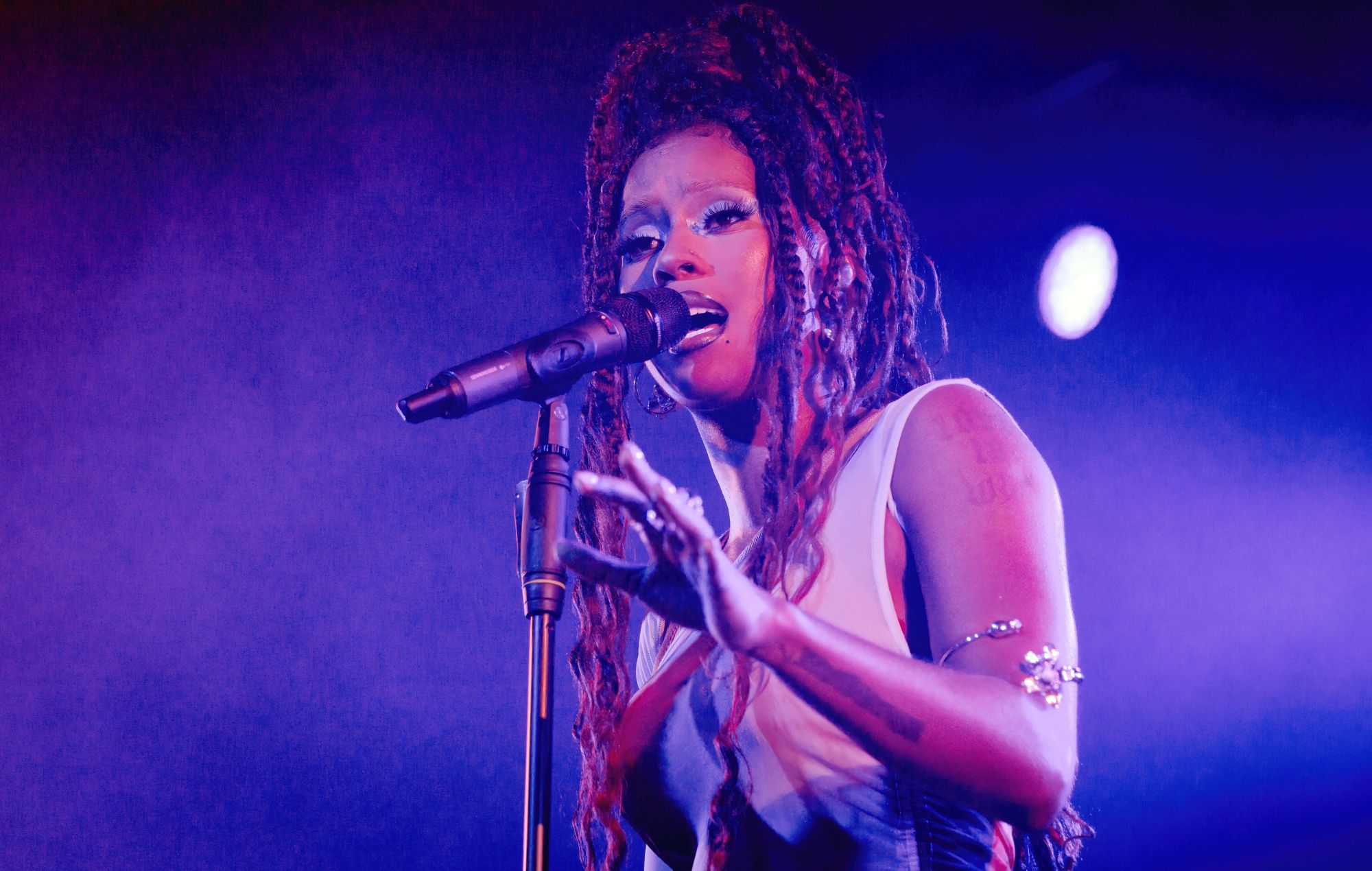
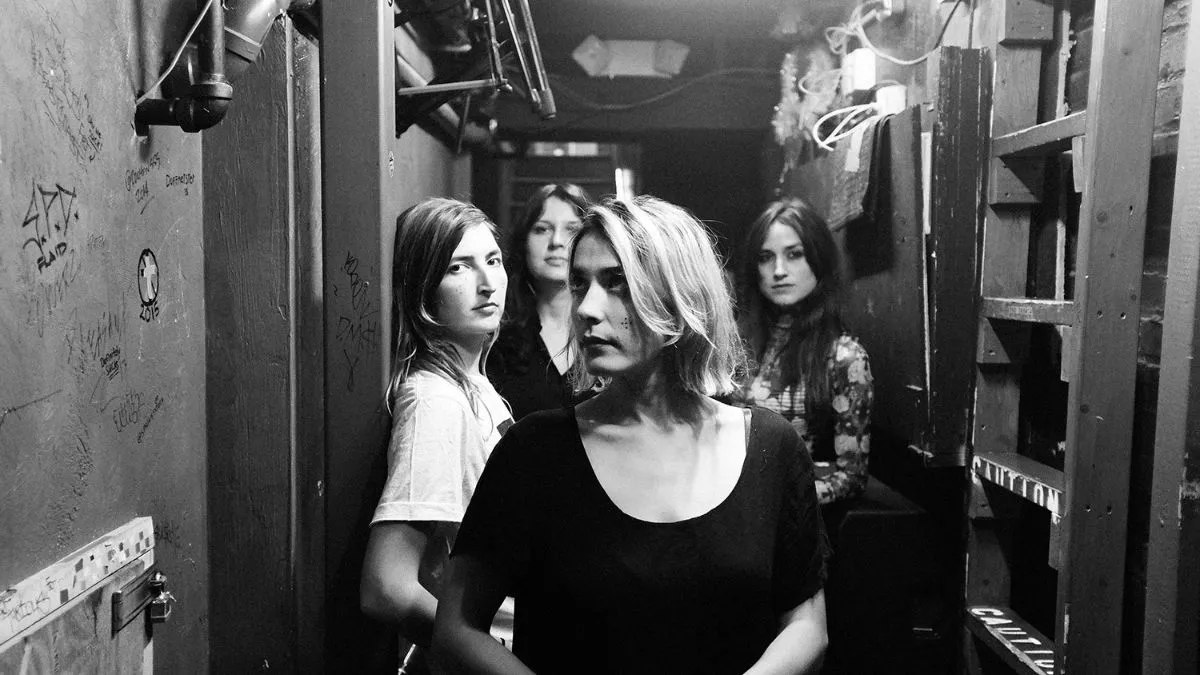
On the night, host Jack Whitehall returned for his sixth appearance, guiding a broadcast that included live performances from Harry Styles, Olivia Dean, Wolf Alice, RAYE, Mark Ronson, Alex Warren, and Sombr. International names also took prominent slots, including Rosalía, who brought out Björk as an unannounced guest, alongside appearances involving HUNTR/X’s EJAE, Audrey Nuna, and REI AMI.
The list of winners balanced local heritage with newer production talent. Noel Gallagher collected Songwriter of the Year, while PinkPantheress won Producer of the Year. The ceremony also remembered heavy metal pioneer Ozzy Osbourne, who was posthumously awarded the Lifetime Achievement Award following his death last summer. The experiment has already been granted a second chapter, with organisers confirming the BRIT Awards will return to Manchester on Saturday February 27, 2027.