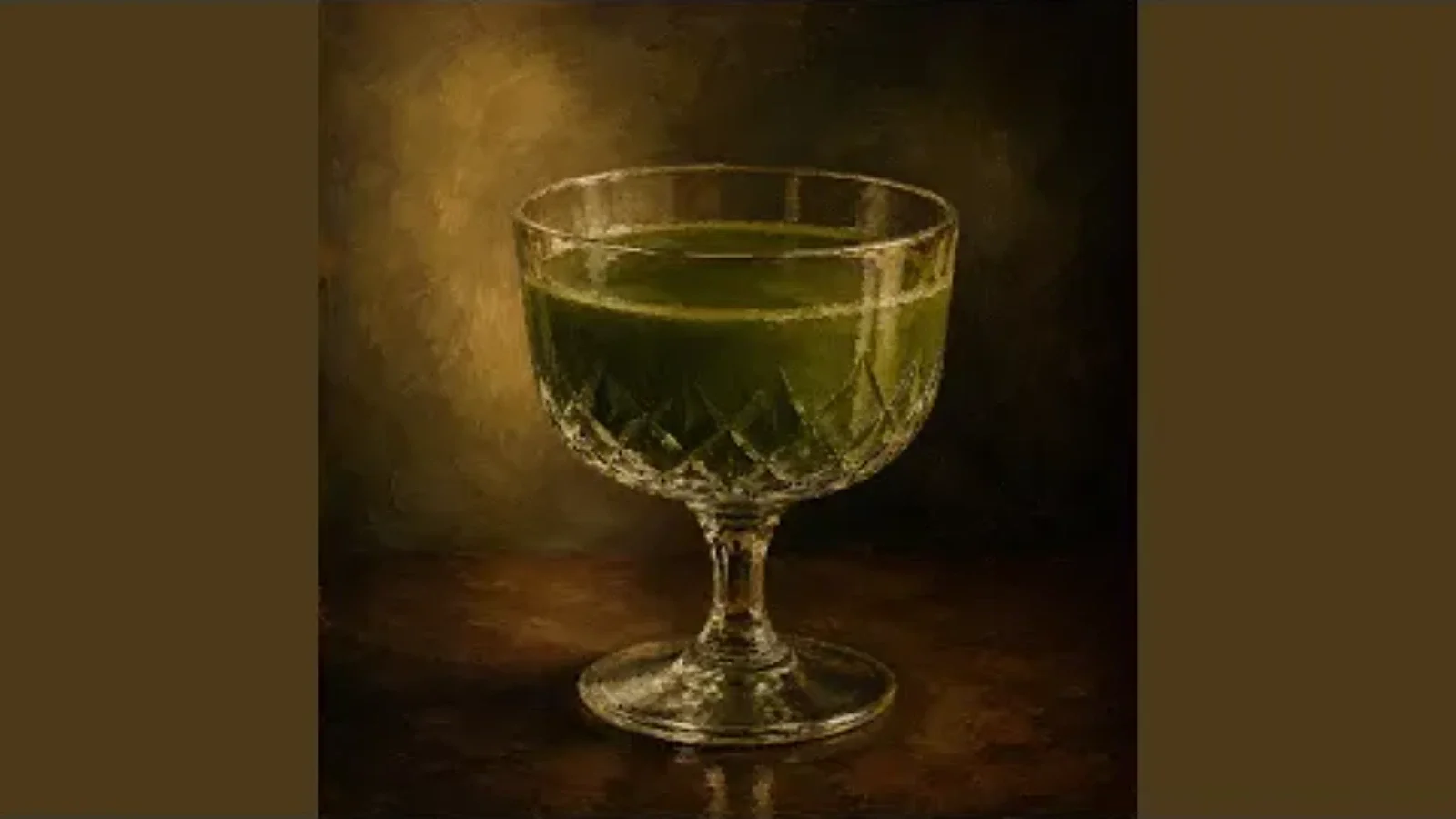
Rather than treating the city’s reputation for fame and opportunity as an uncomplicated dream, Hollywood Tonic focuses on the cost of chasing appearances, validation and escape. Its perspective comes from an environment where image can become a measure of worth, leaving little room for the uncertainty and vulnerability that exist behind the performance.
The song’s arrangement reflects that tension. Screams give way to melodic passages and whispered vocals, creating sharp contrasts between aggression and restraint. These shifts help carry a message that extends beyond the entertainment industry, questioning the pursuit of external approval at the expense of personal honesty.
Nick Nasty and Taylor Barber bring additional voices to the track, with Barber’s work in Left To Suffer connecting the collaboration to the contemporary metalcore scene. Their contributions sit within a sound that balances forceful intensity with more exposed moments, allowing the song’s underlying frustration to remain central.
Production comes from Cameron Pierce Mizell, whose credits include Starset and Machine Gun Kelly. His involvement supports a release that brings modern heavy music into contact with themes of ambition, identity and the pressure to maintain a public image.
Dream Beard’s wider musical identity draws on nu metal and metalcore, with influences including Korn, Slipknot and Deftones. That combination of heaviness and introspection provides a natural setting for Hollywood Tonic, where the subject is not simply the excess surrounding fame but the emotional cost of trying to belong to it.
Ultimately, the track rejects the idea that recognition and applause are enough. Hollywood Tonic makes its case for honest expression over manufactured appearances, using the intensity of heavy music to address a familiar feeling: the struggle to remain yourself in a world that constantly asks you to become something else.