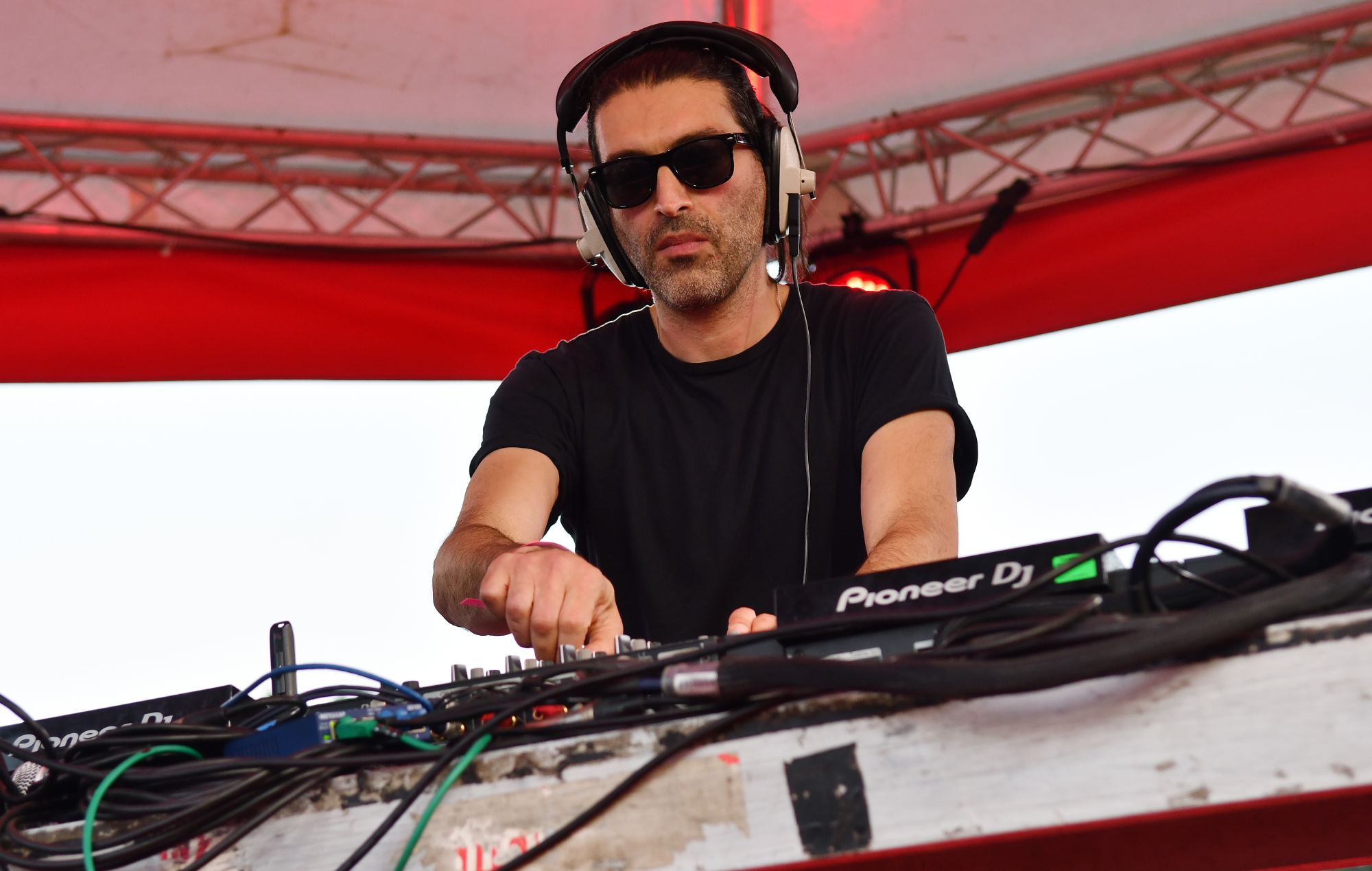
London clubbing in the late nineties and early two thousands had a habit of keeping its tribes apart. Rock fans went to sticky-floored pubs, while clubbers queued for specialist electronic nights. Between 1997 and 2007, Erol Alkan ran Trash to dismantle that divide. Now, Alkan is documenting the lifespan of that weekly night with Trash: A Club, A Sound, A Home, an oral history compiled across two years of work. The project draws on seventy hours of recorded interviews with thirty-nine people who either stood behind the turntables or played on its stage, combined with Alkan's own recollections of running the night across its ten-year span.
Trash first set up shop in Soho before moving to a larger space in the West End. Over that decade, it served as an incubator for musicians just as their careers were about to explode. The club offered early platform slots to artists such as Yeah Yeah Yeahs, LCD Soundsystem, Peaches, Scissor Sisters, Bloc Party, and Klaxons. Because of that open programming, the room became an unexpected crossroads for several emerging scenes at once. The American garage rock revival, the jagged synth lines of electroclash, and the early rumblings of new rave all ended up sharing the same floorboards.
The motivation behind Trash came from Alkan's frustration with what followed the commercial peak of Britpop. In his view, alternative music had lost its original purpose, drained of energy and sanitised by major record labels that took control of the sound. The genuine excitement he was looking for was no longer found in traditional guitar bands, but in the electronic tracks emerging from the UK and France. Alkan lived a musical double life at the time, splitting his listening between alternative culture and dance cuts. Fabric's Bugged Out nights became an essential destination for him, and that mixture showed up directly in what he carried on his Walkman and stacked on his record shelves.
Long before journalists coined the electroclash tag, independent labels and isolated musicians had already started making electronic records that retained the attitude of alternative music. When guitar groups like The Strokes and The White Stripes broke into the mainstream, the separate strands of guitar culture and electronic club music clicked together inside Trash. Alkan ignored commercial radio formulas entirely, building sets that shifted between punk, pop, disco, and rock. It provided an escape valve where audiences could dance without worrying about purist genre rules, creating an environment where electroclash could grow before the press even named it.
Even now, Alkan stays away from obvious nostalgia by leaning on physical research. Rather than relying on familiar club staples, he treats his collection of vintage music weeklies as a personal cheat code. By using the old music papers as an index, he hunts down forgotten releases and overlooked tracks that never cracked the commercial charts. That dedication to unearthing unheralded records continues to dictate how he programmes his sets, keeping the focus on genuine discovery rather than easy crowd-pleasers.
That era gets a live revival this weekend in London, where Alkan joins the bill for Bugged Out's 2001&On day rave at Drumsheds. The lineup brings together key figures from that transitional period, including 2ManyDJs, The Avalanches, Kittin & The Hacker, Felix Da Housecat, Friendly Fires, and New Young Pony Club. Contemporary retrospectives frequently lump those years together under the catch-all label of indie sleaze. Alkan, however, remains hesitant about using that phrase. For him, the significance of the period was not an aesthetic caricature, but the real freedom, the escapism, and the open exchange of musical ideas that kept the room packed week after week.