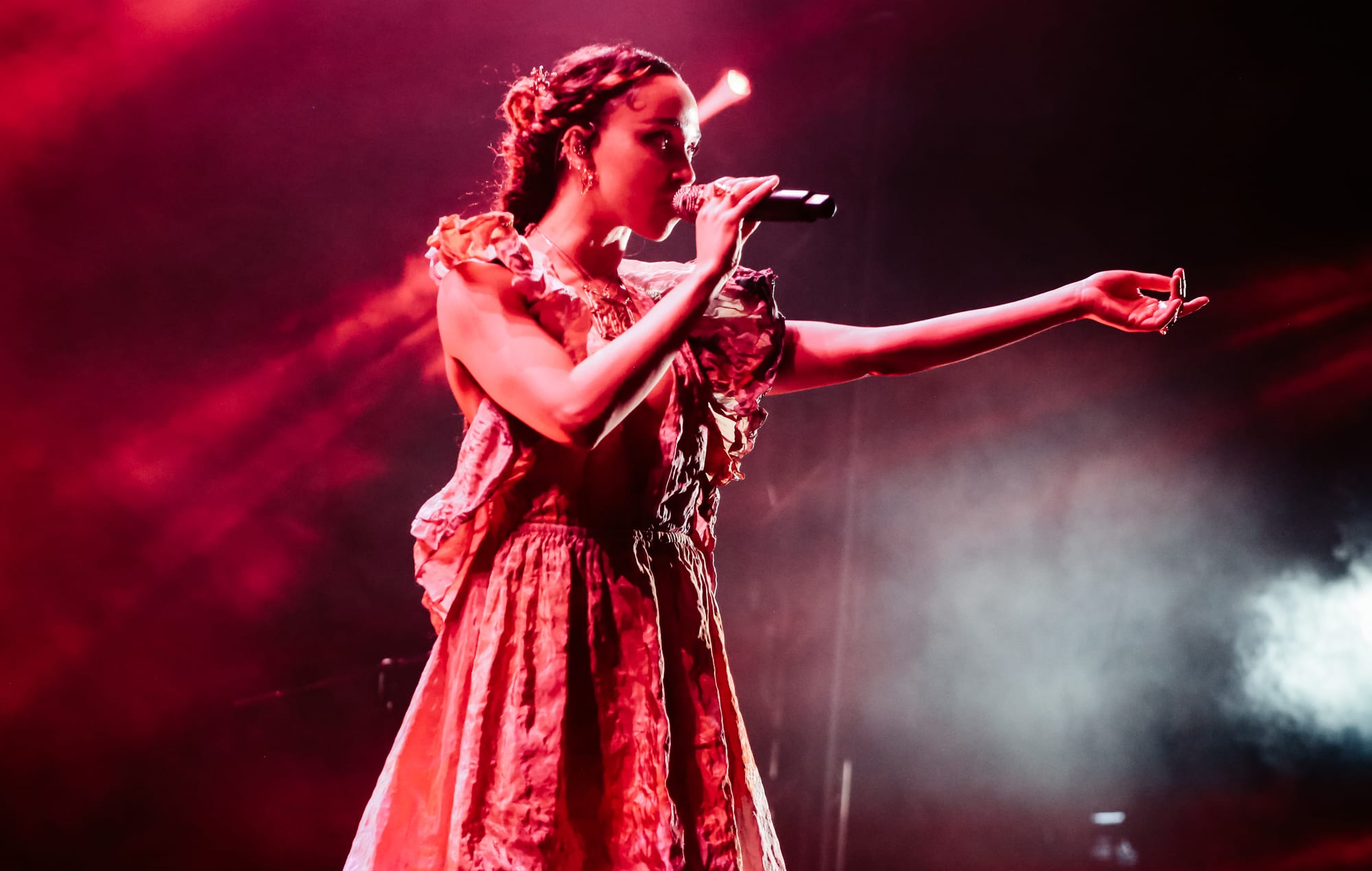
Tahliah Barnett, known on stage and on record as FKA Twigs, has brought an end to her prolonged courtroom battle with former partner Shia LaBeouf. The singer withdrew her lawsuit against the actor on Tuesday, October 6, following an agreement by LaBeouf to void the confidentiality terms that previously prevented her from discussing her past experiences.
Barnett had returned to court earlier this year specifically to challenge the legality of those restrictions. Her attorney, Matthew Rosengart, noted that Barnett decided to dismiss the case once the gagging provisions were fully removed, explaining that she took the step on behalf of women who have survived sexual abuse. With the contested agreement formally terminated, Barnett is now legally permitted to discuss her own survival, champion other survivors who do not possess similar public visibility, and work with charitable groups of her choosing.
The conflict between Barnett and LaBeouf started on the public record in 2020, when Barnett brought a civil lawsuit alleging a pattern of relentless abuse during the time they were together. That initial complaint detailed accounts of sexual battery, assault, and the intentional infliction of emotional distress. While lengthy procedural delays slowed the case, the pair eventually reached an out of court settlement.
That private resolution soon gave rise to another legal struggle. Barnett filed new paperwork contesting the nondisclosure provisions attached to the settlement, asserting that the clauses were unlawful. Her legal team maintained that the agreement was designed to prevent her from addressing not just her personal survival of sexual assault and domestic abuse, but also the broader societal realities of sexual violence. Rosengart argued that such conditions violated the STAND Act, a statute specifically established to bar agreements that enforce silence on abuse survivors. Throughout the second legal challenge, Barnett sought no financial compensation or career advantages, with court records emphasizing that her sole aim was to undo an unlawful restraint and support other victims who lack the financial means to fight back in court.
The animosity surrounding the settlement had reached a boiling point during 2025. In that year, LaBeouf tried to use arbitration to force an exorbitant financial penalty out of Barnett. He asserted that she had broken the confidentiality terms merely by making a public statement that she did not feel safe. That arbitration claim was ultimately thrown out in December 2025. In subsequent legal filings, Barnett and her attorneys argued that LaBeouf had accepted the original 2025 settlement primarily to protect himself from an embarrassing public trial before a jury and the risk of massive financial penalties.
For his part, LaBeouf has consistently pushed back against the abuse claims. In statements made in 2020, he admitted to a record of hurting people who were close to him, acknowledged that he had no excuses for his aggression or his alcoholism, and expressed shame regarding his past conduct. Even so, he maintained that many of the specific accusations made against him were untrue, while adding that he felt women should have the opportunity to air their stories publicly and that he needed to accept accountability for his behavior.
With the disputed nondisclosure agreement now completely eliminated, Barnett can speak publicly without legal threats hanging over her. For people coping with domestic abuse and sexual violence, assistance is accessible through RAINN in the United States and through the Rape Crisis charity network in the United Kingdom.