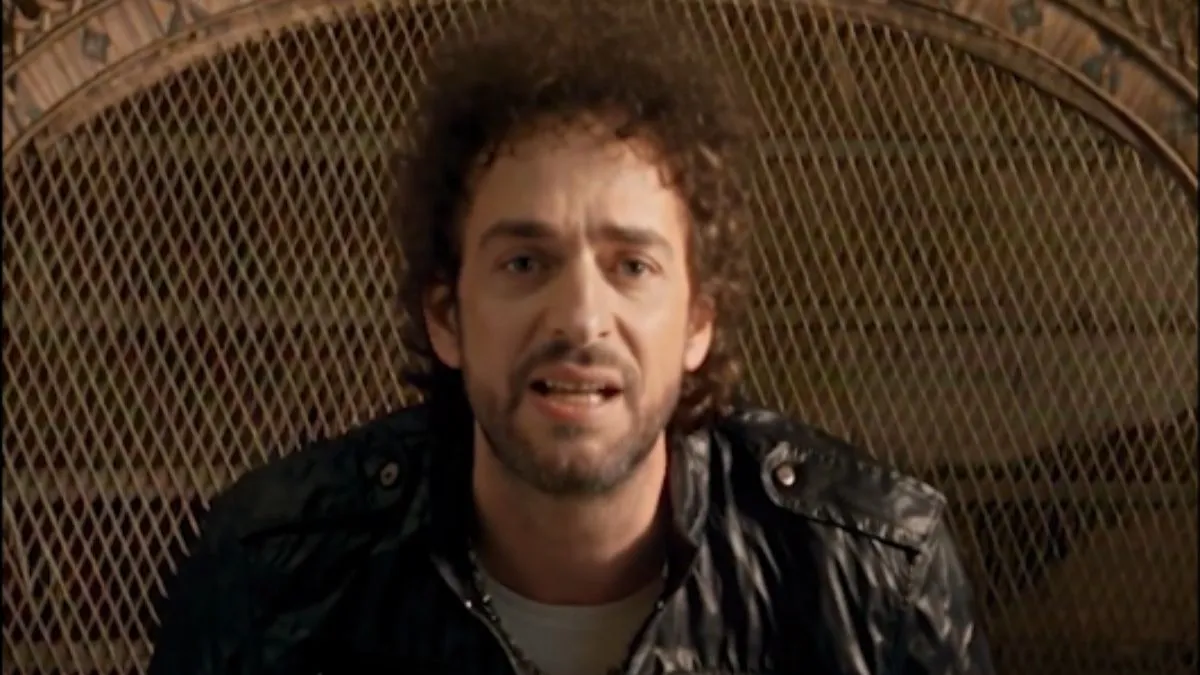
When an archival campaign misfires, it usually does so in quiet ways, like a flat remaster or a clumsy piece of packaging. In the case of Gustavo Cerati, the miscalculation arrived in full view on video platforms. To mark twenty years since the late Argentine rock icon released his 2006 solo record Ahí Vamos, an updated edition of the music video for Me Quedo Aquí went online. What was meant to function as an anniversary celebration for the album quickly turned into a public dispute over how the singer's catalog is being treated.
Viewers watching the modified clip immediately took issue with what they saw. Across social platforms, fans pointed to visual cues that suggested artificial intelligence had been used to alter or upscale the original footage. In recent years, labels have turned to automated tools to make standard definition videos presentable on modern displays. Yet the results often tell on themselves. Instead of revealing hidden clarity, automated filters tend to wipe away natural grain, smooth over textures, create strange visual artifacts, and warp the fine details established by the original director. The new upload for Me Quedo Aquí exhibited those exact problems, alienating the audience that had supported the song from the start.
The frustration might have remained an aesthetic grievance among longtime followers had Cerati's family stayed out of it. Instead, the musician's children stepped directly into the conversation. Lisa Cerati and Benito Cerati publicly voiced their disapproval of the reissued clip, explaining that neither of them had been informed or consulted prior to its release. That revelation shifted the controversy from a technical debate about upscaling methods into a basic question of catalog stewardship. For fans who already felt the clip compromised their father's creative intent, knowing that Lisa and Benito were kept completely in the dark deepened the resentment.
The clash illustrates an unresolved tension between automated catalog upkeep and genuine archival work. Standard definition footage carries a specific visual character tied to its era. Film grain and original camera choices are part of that identity, not flaws waiting to be erased by an algorithm. When technicians choose quick algorithmic shortcuts instead of careful, hands-on film restoration, the resulting images often look plastic and detached from their original context. Expressions can shift, clarity looks painted on, and the artistic choices that shaped the video when Cerati was alive get overwritten in the name of visual modernization.
There is also the plain matter of courtesy. When handling work left behind by an artist with a following as dedicated as Cerati's, keeping the immediate family informed is not a complicated hurdle. A conversation with Lisa and Benito would have given those closest to the singer's legacy an opportunity to weigh in before the video reached the public. Skipping that basic step turned what should have been a reflective tribute to Ahí Vamos into an avoidable public grievance, offering a reminder that quick technical shortcuts are no substitute for thoughtful preservation.