Halloween often doubles as live performance art for pop musicians, offering an open stage to revisit their personal archives, acknowledge industry gossip, or salute figures who paved the way. Over the weekend, the holiday brought a mix of nostalgia, self-deprecation, and heavy prosthetics, as artists across arenas and private parties turned their wardrobes into commentary on their own careers.
Homage took center stage following the loss of Dolly Parton, who died in August at the age of 80. Both Lizzo and Rita Ora looked to the country icon for their weekend plans. Lizzo turned back the clock to Parton's 1970s period, wearing a sparkling yellow outfit complemented by a large blonde wig. Sharing the photographs online, Lizzo noted that Parton had once offered her personal words of encouragement during a difficult stretch of her career, and she followed the costume reveal by posting an Instagram performance of Jolene dedicated to the singer. Across town in New York on Friday evening, Ora also paid her respects, attending a party in country-leaning attire and a high-volume blonde wig styled after Parton.
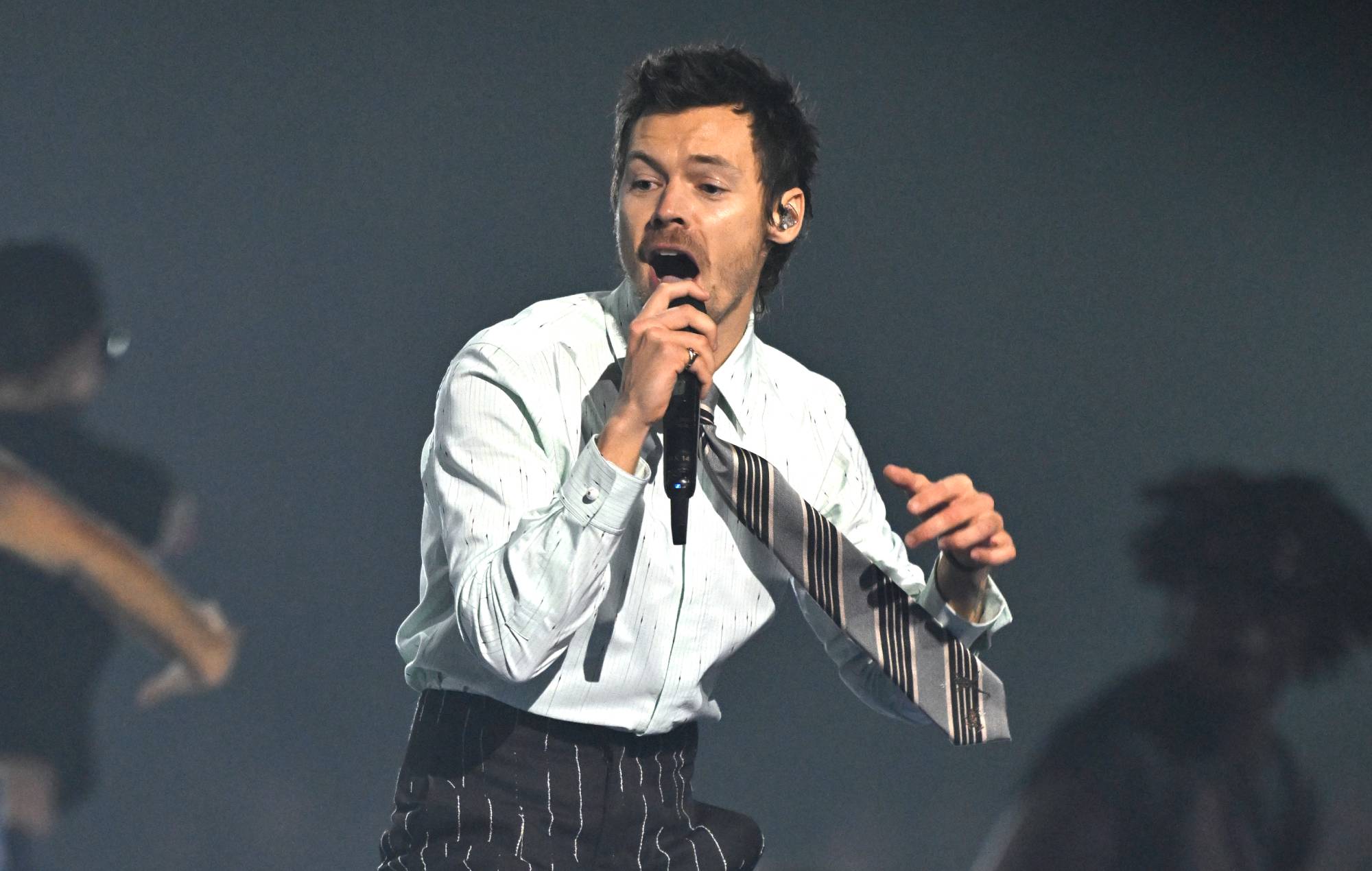
At Madison Square Garden, Harry Styles brought back his Harryween event across two sold-out nights, leaning entirely into his own origin story. During the Friday opening concert, Styles initially walked out dressed as Elvis Presley before executing a quick costume change into the unpretentious clothes he wore as a 16-year-old for his 2010 X Factor television audition. Fully assuming the role of his teenage self, he performed Stevie Wonder's Isn't She Lovely, the song that first launched him into the public eye, and recited his original on-camera line about working in a bakery. His touring musicians and stage dancers matched the theme, each dressed in looks pulled from different eras of his solo career.
Lily Allen chose an entirely different target, turning recent touring challenges into a visual joke. After downsizing venues on the North American run of her West End Girl tour, she arrived dressed as an unsold Ticketmaster seating chart. Her look featured a white puffer jacket worn over a bodysuit patterned with the blue dots that indicate available seats, accompanied by a handheld thermometer. The outfit mocked blue dot fever, the phrase coined by concertgoers online to track slow box office business. Posting the outfit, Allen added a dry caption confirming that she had no chance of beating the allegations.
In Los Angeles, Janelle Monáe used her annual Wondaween party to explore creature design rather than traditional pop culture references. Avoiding store-bought ideas, Monáe first debuted The Amazing Phish Boy, a character that combined vintage circus stage clothes with fish fins, scales, and exaggerated prosthetic eyes. Later in the evening, she revealed a second look named Mother Creature, which relied on heavily textured makeup and graphic practical effects to push her presentation into theatrical horror.
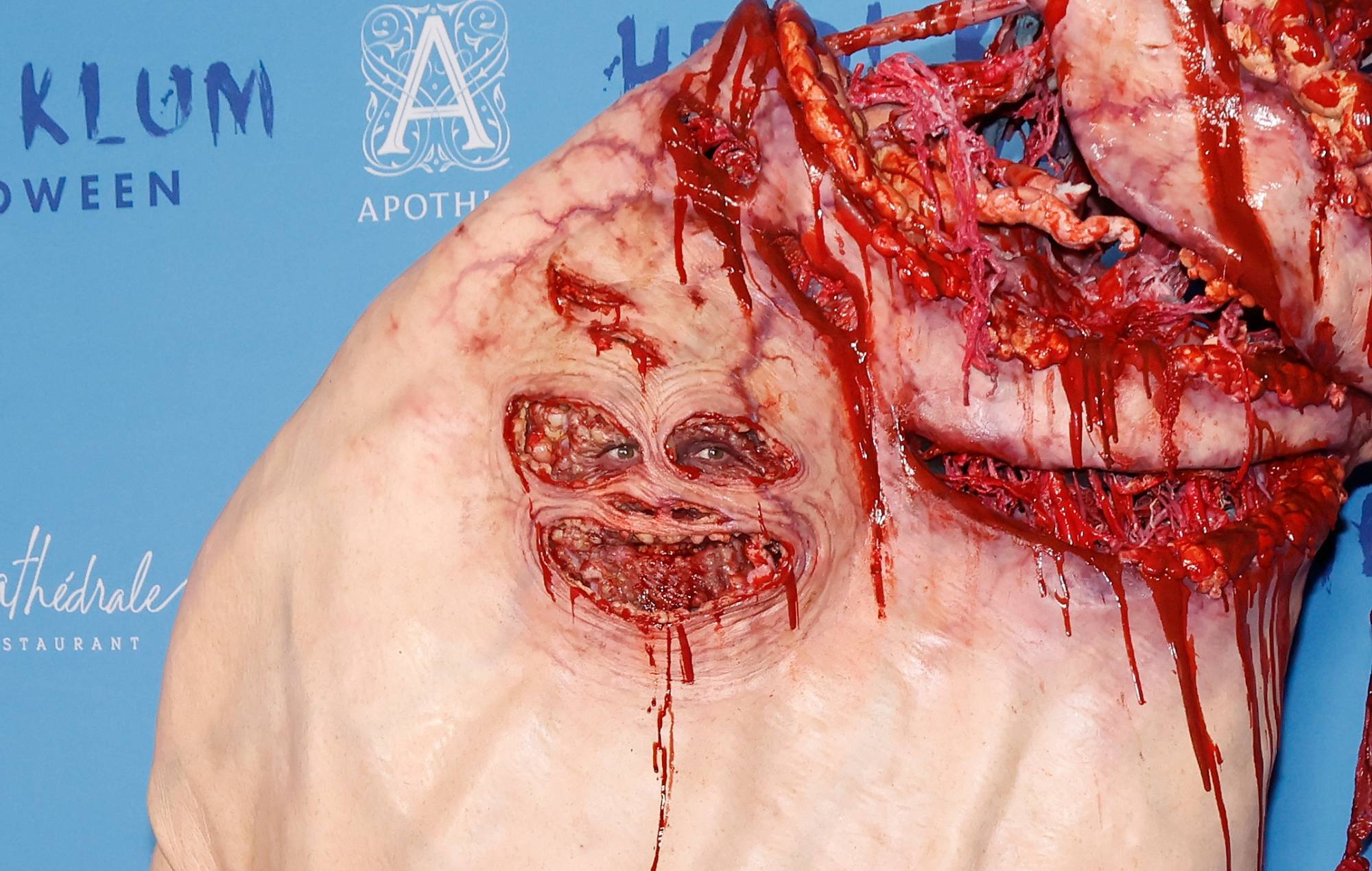
The weekend also featured elaborate physical transformations elsewhere in New York, where Heidi Klum staged her annual event while concealed inside a giant sculpture of a severed human hand. Modeled precisely after her own left hand, the prop featured painted red nails, rings, raised veins, and exposed tendons. Klum sat through six hours of application to hide inside the piece, requiring blood-covered assistants to guide her into the party after months of design work. Family homages rounded out the celebrations, with Keke Palmer joining her three-year-old son Leodis to mirror the futuristic styling of Michael Jackson and Janet Jackson's 1995 music video for Scream, featuring Palmer as Janet and Leodis as Michael.
By treating the holiday as an extension of their public identities, these artists showed that costume design works best when it directly addresses memory and reputation. Whether addressing touring hurdles or celebrating an audition that took place over a decade ago, the strongest ideas of the weekend relied on turning real history into theater.