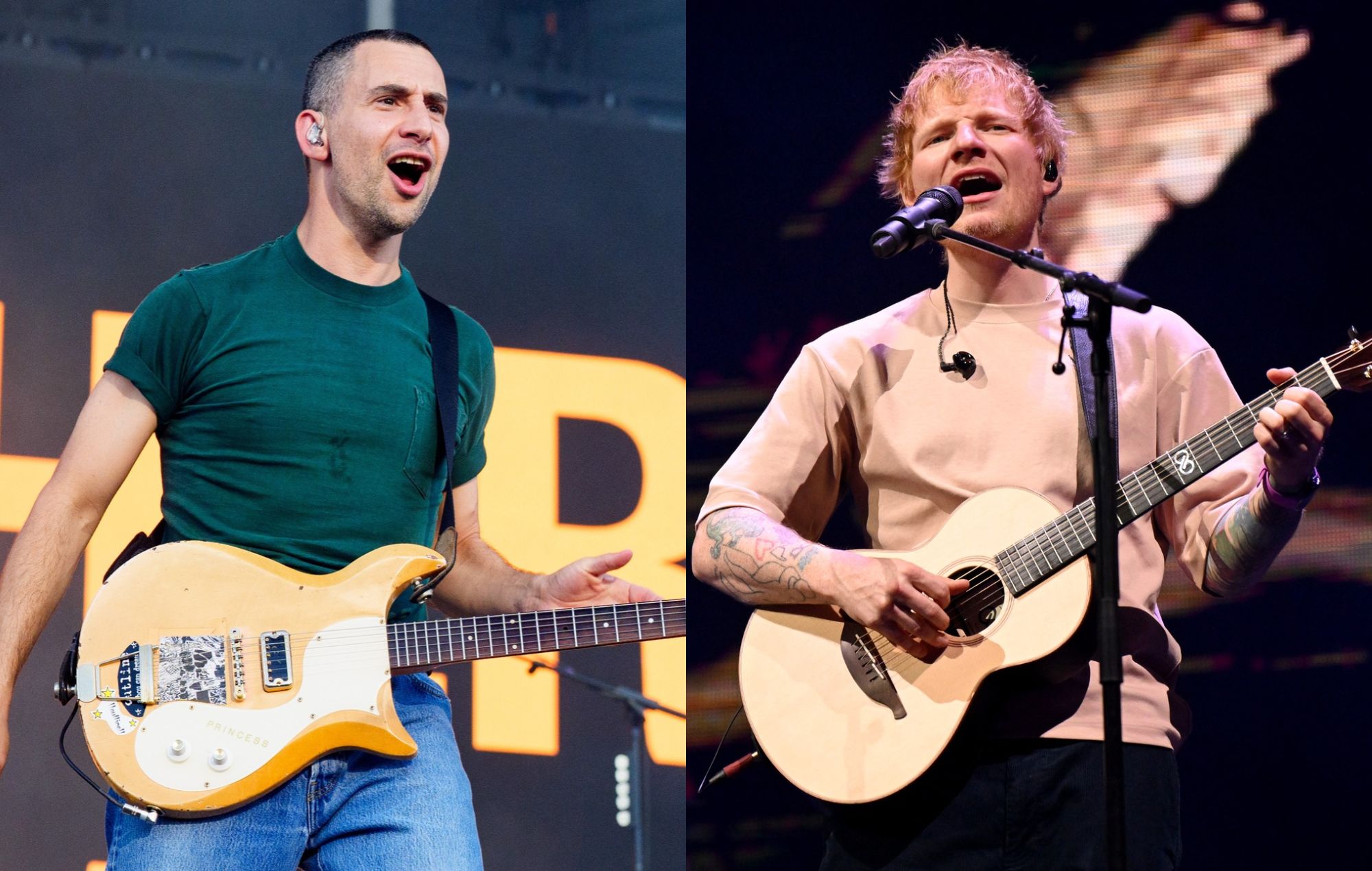
Stadium tours operate at a scale where financial interests quickly collide with political expression, and the fallout usually exposes who holds real authority behind the scenes. Jack Antonoff made his feelings clear regarding Ed Sheeran and the recent row on his Loop Tour, arguing that the singer surrendered to pressure from billionaire venue ownership rather than protecting his bill. At the center of the dispute was the dismissal of Macklemore, an exit that triggered sudden musician walkouts and sparked an argument over corporate leverage in live entertainment.
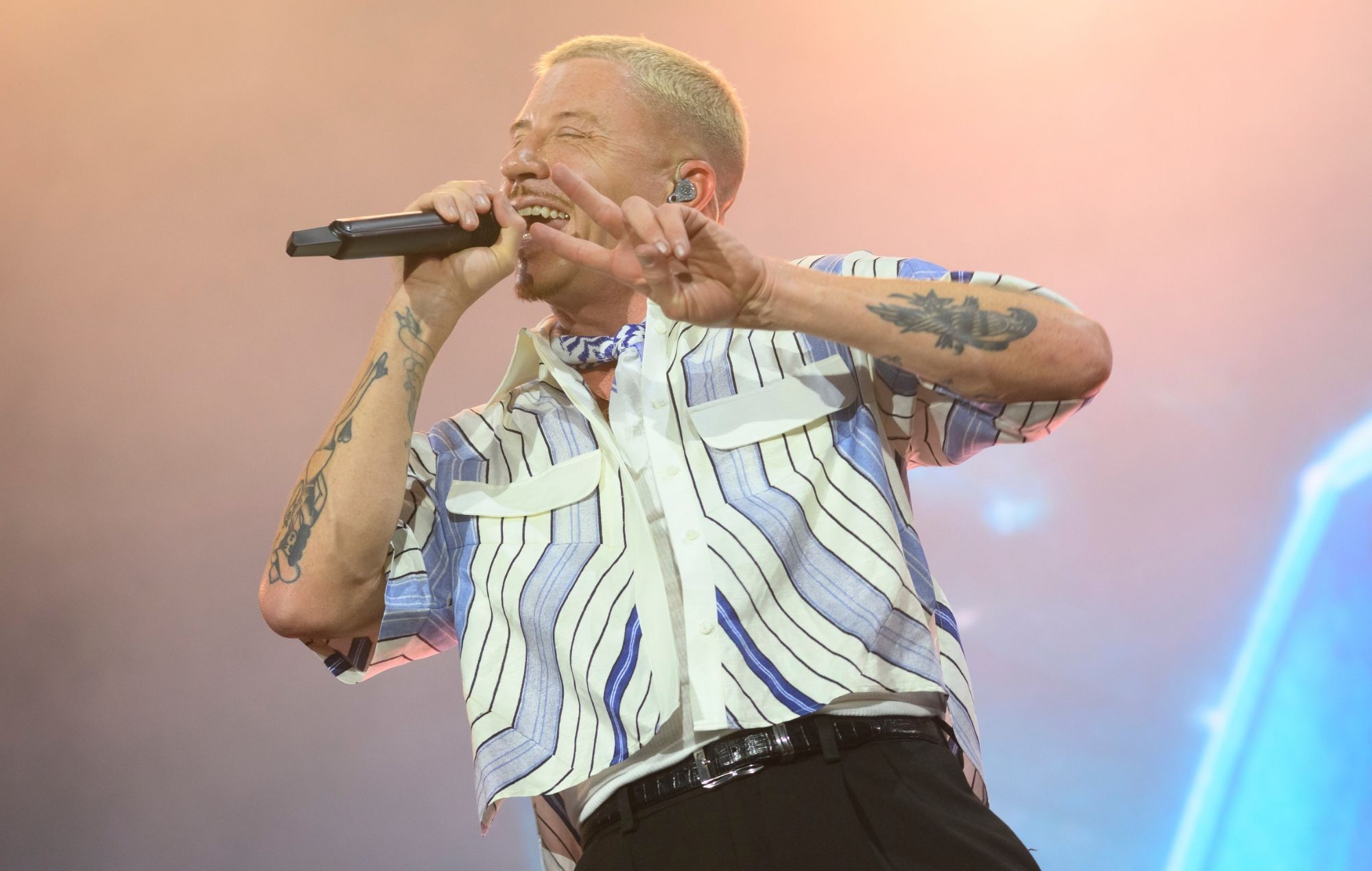
The controversy started during Macklemore's opening slot, when the rapper delivered an on stage speech calling for a free Palestine. The reaction from venue management arrived swiftly. Robert Kraft, the owner of Gillette Stadium and the New England Patriots, denounced the remarks as deeply offensive and hurtful to the Jewish community. The Israeli American Council and pop artist Pink voiced their own public objections, and tour organisers quickly pulled Macklemore from the remaining dates.
That decision set off an immediate revolt within Sheeran's touring camp. Instead of carrying on with the schedule, Sheeran's own backing band walked away from the tour in solidarity with Macklemore, joined by several supporting acts who also refused to perform. A wide circle of musicians and cultural figures quickly stepped forward to support the rapper, including Lorde, Hayley Williams, Massive Attack, Roger Waters, Dropkick Murphys, Billy Bragg, Amelia Dimoldenberg, and Greta Thunberg. What management likely hoped to resolve quietly instead turned into a collective industry protest.
Antonoff addressed the situation in a recent interview, speaking candidly about Macklemore's removal. The Bleachers frontman defended the speech itself, arguing that calling for a free Palestine is neither strange, uncomfortable, nor controversial, but rather a deeply human sentiment. Antonoff directed his frustration squarely at Sheeran for capitulating to wealthy venue owners. By allowing a billionaire to dictate the conditions of his concerts, Antonoff argued, Sheeran established a dangerous precedent for other touring musicians.
Antonoff went on to suggest that Sheeran missed an opportunity to display genuine artistic independence. Instead of dropping his opening act, Antonoff argued, Sheeran should have pulled the plug on the entire stadium run. He proposed that Sheeran could have staged free shows outside the gates of each venue, turning the gatherings into fundraisers for charitable groups. Antonoff remarked that if promoters ever tried to restrict his own voice, he would choose to play on the street for free rather than submit to their terms. He described the dynamic as part of a much broader global problem, noting that working people everywhere are ordered around by billionaires and have an obligation to resist.
Sheeran had previously tried to defuse the controversy, stating publicly that he had no role in Macklemore being dropped. He expressed that he was appalled by the violence between Israel and Palestine, describing the grief and pain felt on both sides as a tragedy. Later, during a performance in Philadelphia, Sheeran spoke to the crowd, admitting he was sorry for making mistakes before introducing replacement support acts to complete the tour.
Macklemore chose a different route after his dismissal. The rapper took his full earnings from the Loop Tour, which amounted to one million dollars, and distributed the entire sum across six organizations aiding Palestinians. He followed that by launching his own Free Palestine Tour, which sold out while featuring guest appearances from Hozier and Kneecap. For Antonoff, the contrast between Macklemore's independent response and Sheeran's stadium concessions illustrates the uncomfortable distance between corporate concert deals and authentic artist autonomy.