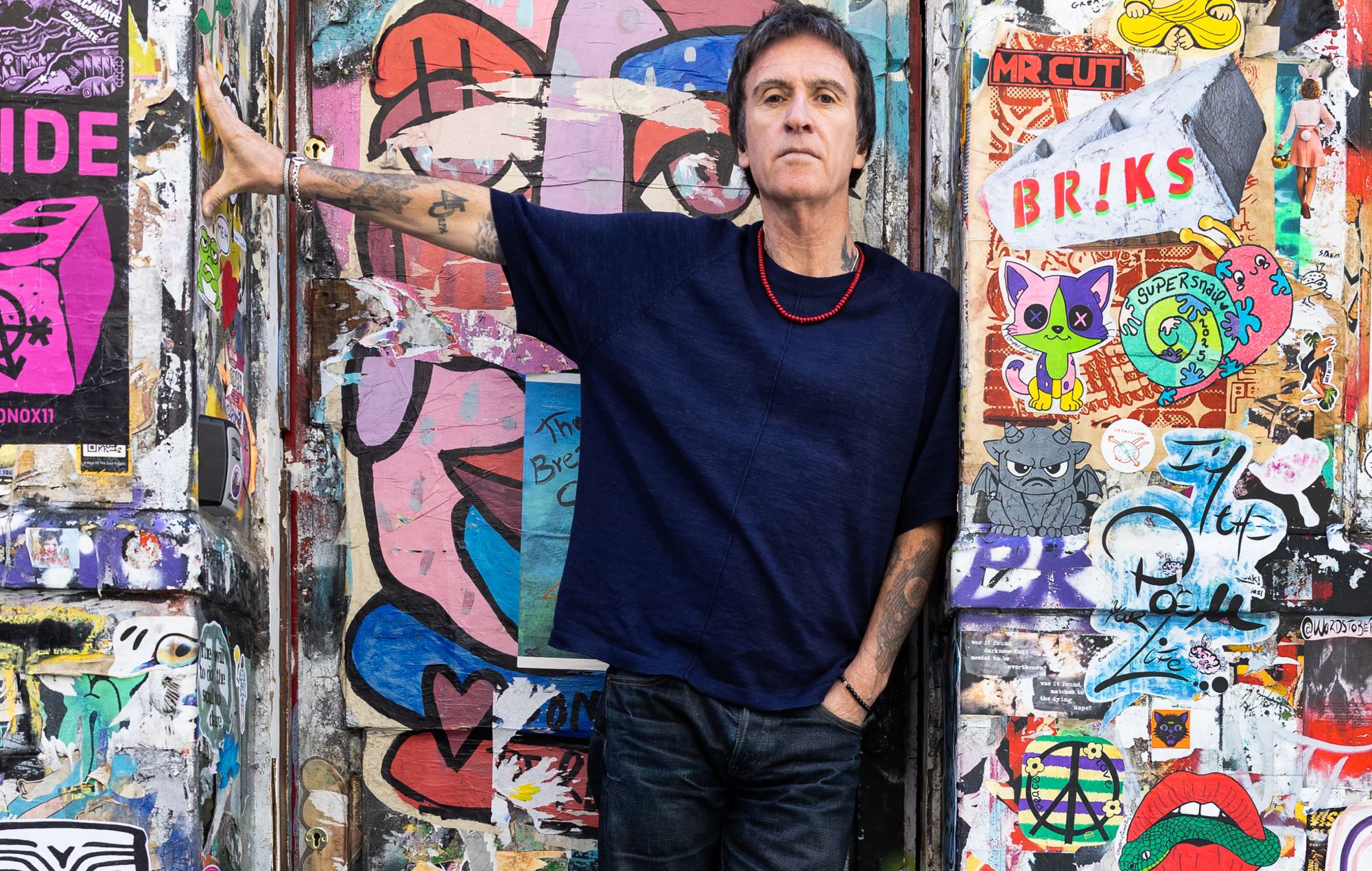
Johnny Marr has never been the sort of songwriter to sit back and wait for a spark to arrive out of thin air. Across a career spanning four decades, his output has rested on discipline, clear melodic structure, and a habit of paying attention to whatever is happening on the street around him. His fifth solo studio album, The Age Of Everything, arrives this Friday, October 2, finding the guitarist leaning deliberately into his established musical signature while keeping his focus directed firmly outward.
The record took shape through everyday observation. Marr spent time walking around London, watching passersby, and sketching out initial frameworks before carrying the tapes back home to Manchester to record. Across ten tracks, the album sets bright, energetic pop arrangements against the personal weight of modern social friction in 2026. Marr views the collection as an examination of perception, considering both his internal thoughts and the habits of the crowds around him. Instead of concealing his playing or chasing a calculated reinvention, he chose to double down on what he does best. In his view, when you have spent years developing an identifiable guitar style, the only logical move is to turn it up and play it with total conviction.
That decisive streak carried straight into the album sessions. Marr took an unusually demanding route by testing eight of the ten tracks in front of live audiences before setting foot in the studio. Plenty of bands discuss trying out fresh material on tour, yet the logistical headaches and exposure usually keep them from actually doing it. Marr went through with it out of pure resolve, drawing a line between his single minded work habit and the direct, uncompromising instincts of Brian Eno and Damon Albarn. When an idea sticks, he prefers to chase it down without second guessing himself.
His listening habits during the writing phase ranged widely across eras and forms. Alongside modern guitar groups like Fontaines D.C. and tracks by Gorillaz, Marr found himself returning to classic ambient pieces, Boards Of Canada, and his own back catalogue. His time in the studio with Albarn for the 2026 Gorillaz album, The Mountain, had a particular impact on his headspace. Working alongside Albarn served as a practical reminder that a steady work ethic works best when you leave room for things to happen naturally, learning to stay relaxed rather than attempting to wrestle a track into submission.
That same perspective shapes how Marr views the modern cultural climate. He maintains real faith in younger generations, seeing them as alert, engaged, and ready to challenge regressive attitudes and tired opinions. That outlook also means leaving behind old factional disputes. He has no interest in keeping up the ancient tribal hostility between devotees of The Smiths and The Cure, and he extends a generous musical pass to political figures such as Greater Manchester Mayor Andy Burnham.
Looking backward offers a stark measure of how British music culture has transformed. Thinking back to Camden, where he first relocated in 1984 to hunt down rare cultural and music books at Compendium Books, Marr remembered actively steering clear of the nineties indie pub circuit. While his contemporaries spent their evenings drinking at places like The Good Mixer, he and Bernard Sumner remained locked away in a Manchester basement crafting Electronic, obsessively hunting for elusive chords and tracking down Kraftwerk samples. He also noted how singular moments in mainstream chart music once felt, recalling The Prodigy reaching Number One with Firestarter as an unmanufactured, radical street statement that would be almost unthinkable at the summit of the charts today.
With The Age Of Everything, Marr draws a straight line between those early working habits and the present. By gathering observations from city pavements and hammering them into shape on the stage, he has built a record rooted in hard earned confidence, staying receptive to the world outside rather than retreating into the past.