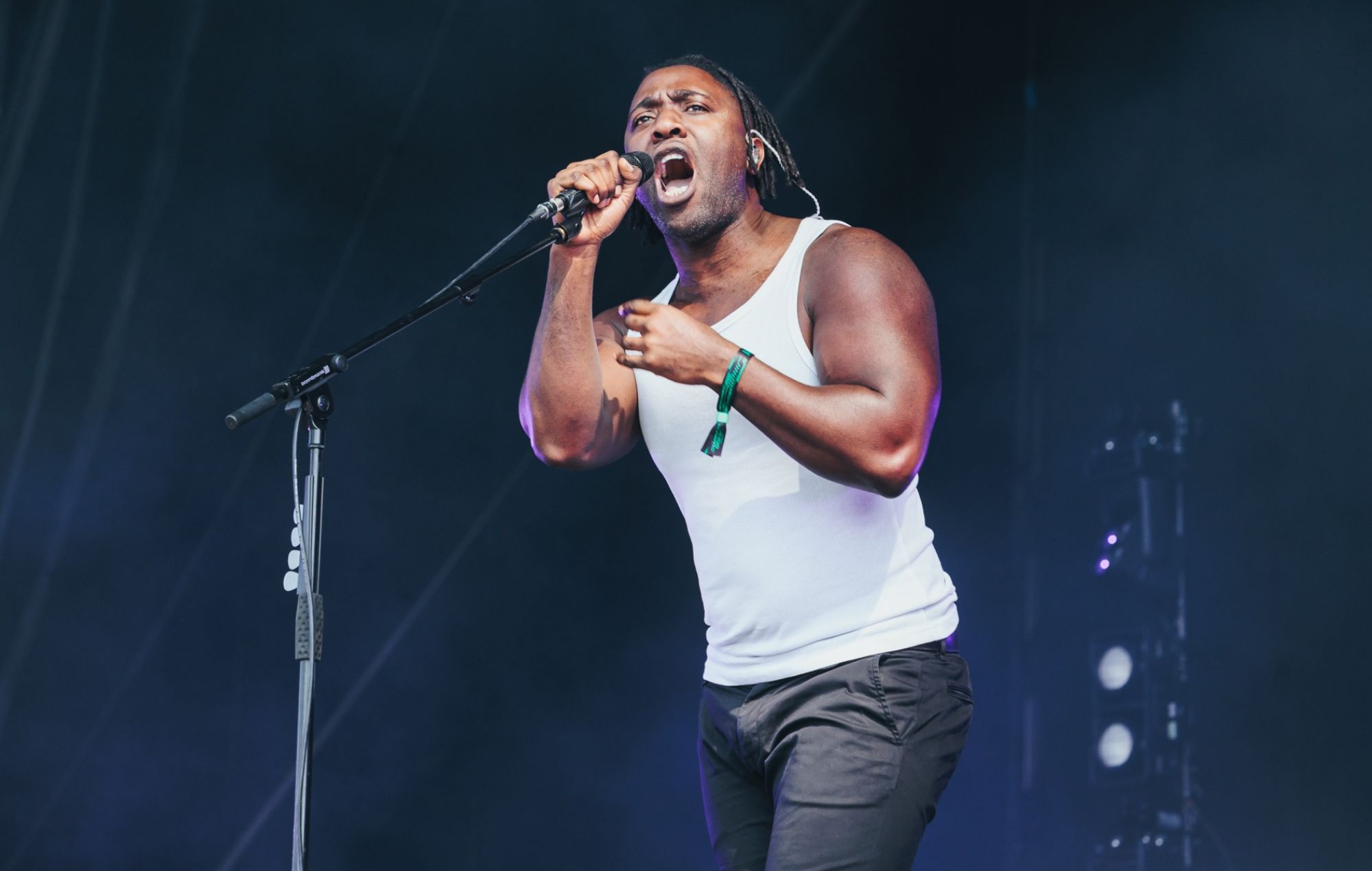
When Bloc Party broke out in the mid-2000s, Kele Okereke occupied an almost solitary position in British guitar music. As a Black, queer musician leading an indie rock band, his presence immediately challenged the typical expectations of the genre. He was conscious from the start that his profile unsettled certain listeners. Even so, during a recent appearance on the Miss Me? podcast with Miquita Oliver, Okereke explained that the hostility directed at him online had crossed into territory he had not seen before.
The issue came to a head during the campaign for Bloc Party's album, Anatomy Of A Brief Romance. A short video shared to promote the single Pigwig became an instant target for abuse. Okereke noted that his management reached out to alert him after team members had to spend hours clearing away a deluge of racist and homophobic comments posted beneath the clip. While he was long aware that a portion of the audience resented a brown face fronting an indie group, the sheer volume and tone of the response on that particular video felt entirely new.
What made the venom so jarring was the gentleness of the track itself. Issued in August, Pigwig arrived as the fourth single from the record, following Coming On Strong, Love Bombs, and Now We Can't Be Friends. Okereke had previously described the song as perhaps the sweetest cut on the whole project, written about the helpless, involuntary feeling of falling completely in love. That such an open, affectionate song could trigger such ugly pushback points to a particularly hostile online environment.
Okereke told Oliver that he makes a sharp distinction between hateful vitriol and legitimate creative criticism. As a working musician, he accepts that listeners are entirely within their rights to dislike the band's creative output. His outlook has usually been that external chatter fades with time while the music itself remains. Still, he observed that offering up vulnerable, romantic material seemed to draw out a sharper malice from online users. Putting oneself in the public eye, he argued, is not an open invitation for targeted harassment.
Confronting prejudice is not a new subject in Okereke's life or work. Back in 2007, he discussed the lasting anxiety caused by the loss of his cousin, who was killed in a racist attack during his youth. He returned to these realities on his 2019 solo record, 2042, most visibly on the single Jungle Bunny. In that period, he observed that financial comfort and creative success do not protect a person of color from discrimination in Western society, questioning what responsibilities fall upon a Black performer during divided times. He also pointed out how political shifts like Brexit had ushered nativist attitudes into everyday public life, with the fallout spreading into the arts and media.
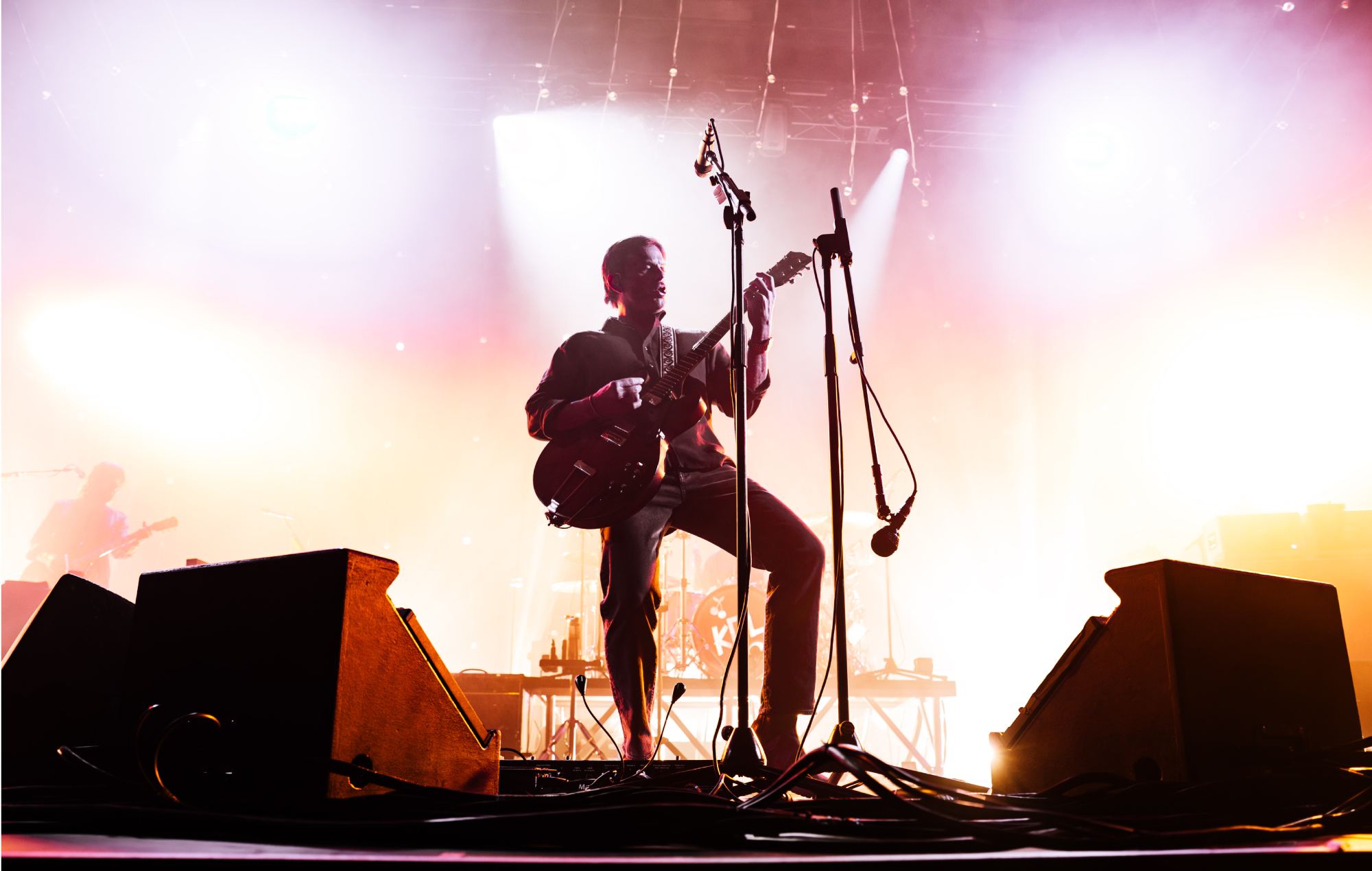
Despite the online hostility, Bloc Party have stayed focused on playing in front of real audiences. The group recently set out on a joint headlining tour across the UK and Europe alongside Interpol, opening their schedule in Copenhagen. With a set that draws on more than twenty years of material, going all the way back to their debut album Silent Alarm, Okereke continues to command the stage on his own terms.