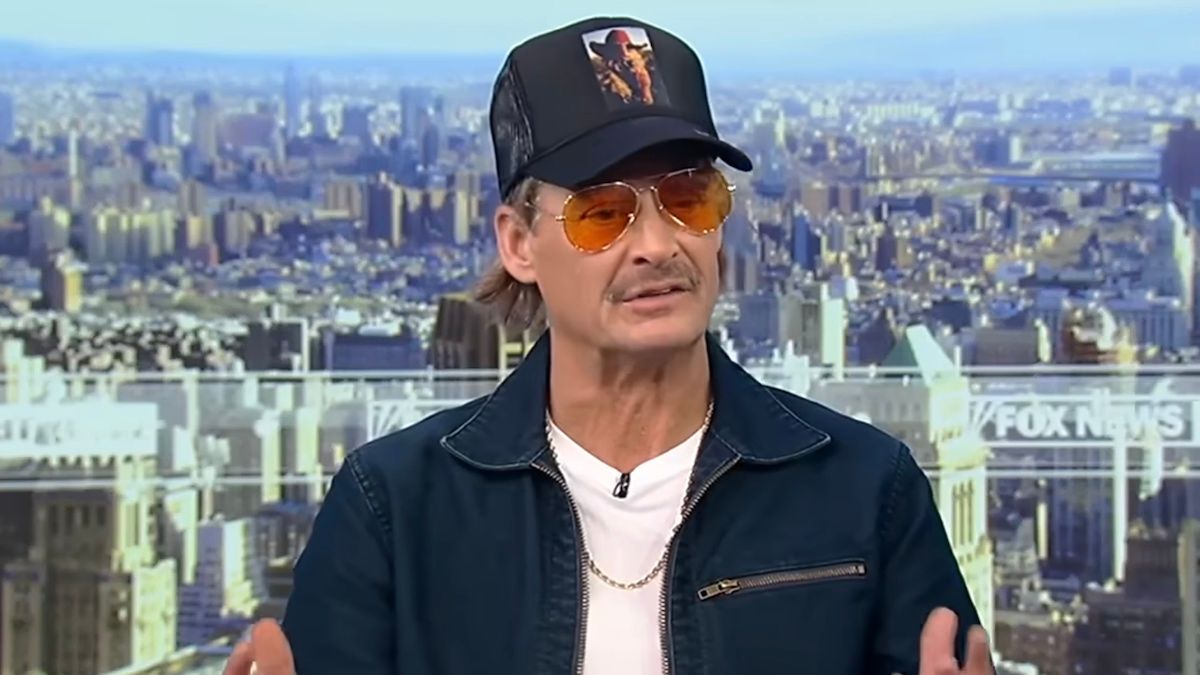
Kid Rock has never built his reputation on quiet neutrality, but his continued embrace of Donald Trump has altered his relationship with the entertainment business in very specific ways. During a recent interview, the musician behind "Bawitdaba" spoke openly about the professional fallout that followed his political loyalty. Standing firmly alongside Trump, he explained, closed down some of the most reliable promotional machinery available to a veteran rock act, starting with late-night television bookings and standard corporate partnerships.
The absence from late-night television marks a clear shift in how an established artist reaches the public. For decades, those talk shows have functioned as an essential pipeline, introducing performers to casual audiences well outside their loyal core fanbases. Network bookers and production teams generally aim to draw in broad audiences without bringing partisan friction into an evening lineup. Once a musician becomes openly attached to a polarizing political figure, those booking offers tend to disappear, removing a major avenue of network exposure.
The withdrawal of corporate sponsors tells an even simpler story about brand risk. Commercial companies look for partners who can help them sell products across the broadest possible cross section of consumers. Marketing departments spend considerable time avoiding controversies that could spark boycott movements or alienate segments of their customer base. Tying a corporate name to a performer who maintains steadfast, vocal political allegiances brings complications that brands simply prefer not to manage. As Kid Rock pointed out, that commercial calculation put an end to potential brand deals, shutting off the private funding and institutional backing that typically support large musical operations.
Losing those spaces leaves an artist to navigate the music industry on noticeably different terms. Giving up corporate tie-ins and late-night stages may be the natural price of vocal political loyalty, but it also draws a sharp boundary around where an artist can operate. For Kid Rock, taking that stand meant accepting that the traditional pathways of mainstream entertainment were no longer open to him.