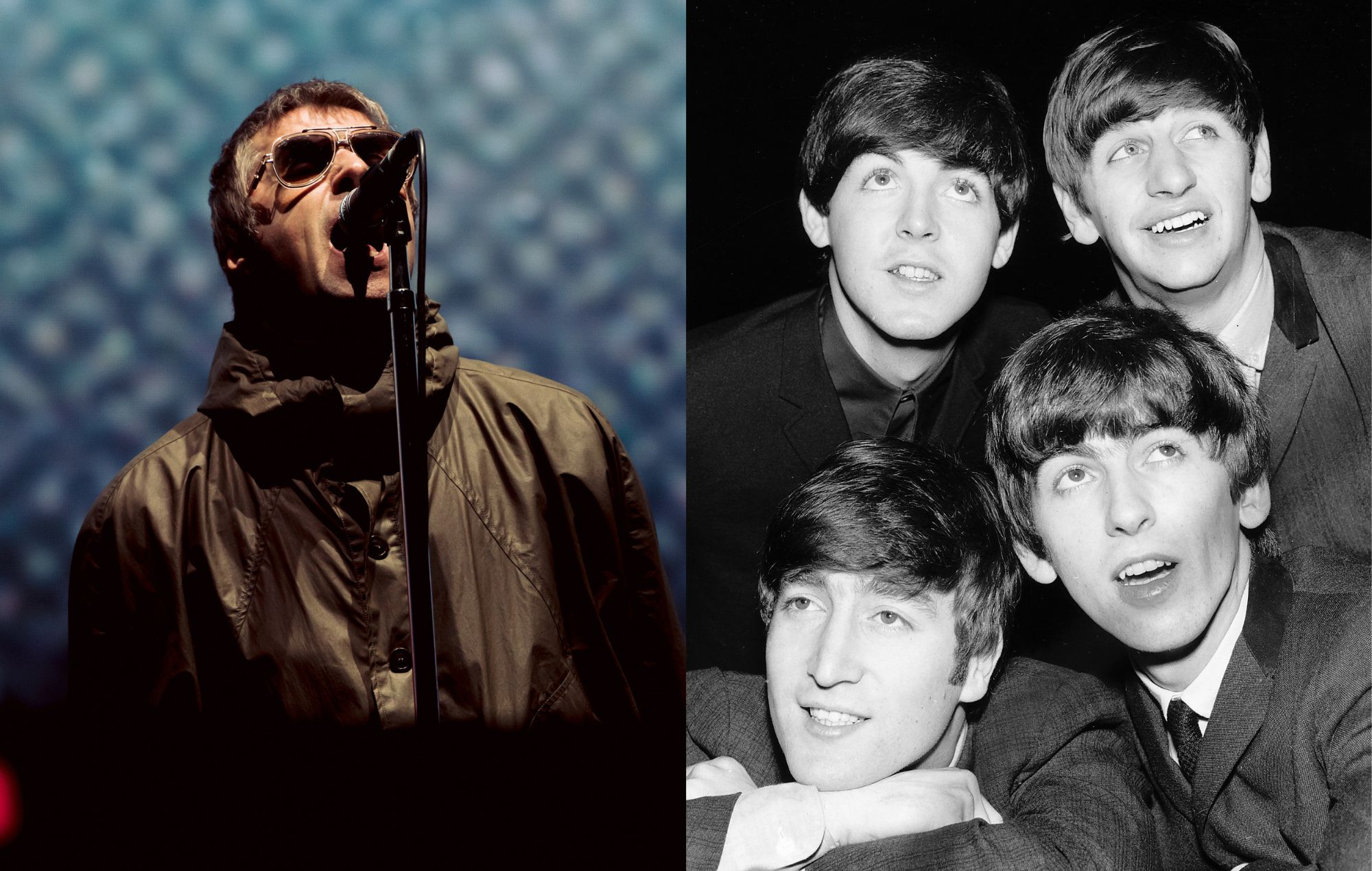
Few frontmen take to social media with quite the same combative energy as Liam Gallagher, and fewer still manage to pull mid-century pop royalty into modern football arguments. What began as a standard public defense of Manchester City quickly broadened into an argument over musical status, with the Oasis singer asserting that his former band did more for Liverpool than the city could ever do for itself, eventually crediting Oasis with returning The Beatles to relevance.
The catalyst for the exchange sat entirely off the pitch. The Premier League recently announced a verdict that found Manchester City guilty on 114 out of 115 counts concerning significant violations of its financial regulations. While the club is actively appealing the ruling, rival supporters treated the news as an occasion to celebrate across social media platforms. Gallagher responded with hostility on Twitter during the first week of October, targeting Arsenal, Manchester United, and Liverpool. In his posts, he claimed those three competing sides were corrupt and alleged they were collaborating to hold down other clubs. He also cast Manchester City as a martyr, comparing the club to Jesus prepared to die on the cross.
That religious comparison, combined with the allegations of coordinated corruption, sparked immediate pushback from rival supporters, especially those based in Merseyside. Rather than walking away from the confrontation, Gallagher escalated matters a few days later by shifting the focus from sport directly onto Liverpool's cultural history. Responding to the wave of criticism directed at him by local fans, he declared that Scousers had failed to appreciate what Oasis had done on their behalf.
In a follow-up message, Gallagher stated that Oasis had accomplished more for Liverpool than its own residents ever could. He then made the claim that Oasis had put The Beatles back on the map, arguing that the city continues to make money from that renewed standing. He concluded the message by calling his critics ungrateful, pairing the remark with his regular sign-off and an explicit show of support for Manchester City.
The assertion drew immediate disbelief from onlookers who remembered the musical reality of the nineties. For decades, Oasis made no secret of their creative debt to The Beatles, regularly absorbing the arrangements, melodies, and swagger of the Fab Four into their own Britpop releases. The idea that this influence actually worked in reverse was met with widespread mockery, with observers pointing out that a band as universally recognized and established as The Beatles hardly required assistance from a later rock outfit to preserve their cultural position.
Among those pushing back was Geoff Barrow of Portishead and Beak, who offered a blunt reply to the claim. Barrow suggested that Gallagher had lost his bearings entirely, highlighting what he viewed as the innovative, cultured, experimental, and modest legacy of The Beatles. In contrast, he accused Oasis of borrowing heavily from Status Quo, telling the singer to wind his neck in.
Other commentators pointed to broader commercial history, noting that contemporary acts like the Spice Girls left a much bigger commercial footprint in vital markets like the United States than Oasis ever managed. For Gallagher, the clash served as another episode in an ongoing habit of digital sparring, where terrace rivalries, Premier League controversies, and rock history sit uncomfortably close together.