The decision was announced September 14 by Messina Touring Group, the promoter responsible for the U.S. dates. The company said it had been notified by venues that Macklemore would not be permitted to appear on upcoming shows, adding that keeping him on the lineup could have placed the continuation of the tour at risk.
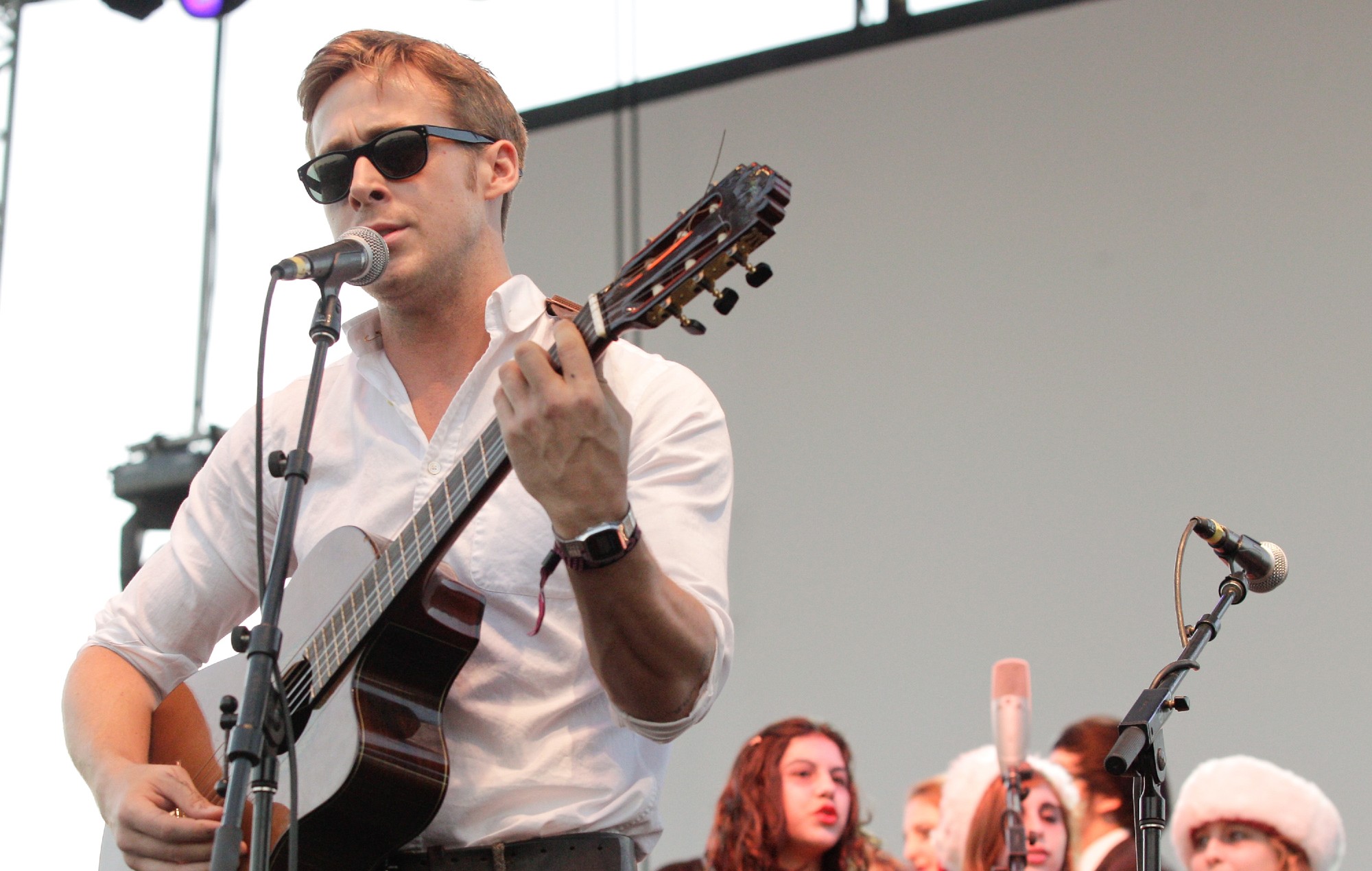
Macklemore performed at MetLife Stadium in New Jersey on September 12 as part of Sheeran’s U.S. tour. During his set, the Seattle rapper used the stage to make a political statement in support of Palestine and performed “Hind’s Hall,” a song that addresses the war in Gaza and protests surrounding the conflict.
The performance quickly became a major point of discussion beyond the concert itself. Macklemore had already used “Hind’s Hall” to express his opposition to the treatment of Palestinians, but bringing the song and its message to a stadium audience during a major pop tour placed the issue in front of tens of thousands of concertgoers.
Following the MetLife performance, pressure surrounding Macklemore’s participation in the tour intensified. Messina Touring Group subsequently said that venues on the remaining U.S. dates would not allow him to perform.
The promoter framed the decision around the practical consequences for the tour rather than directly addressing the political content of Macklemore’s remarks. In its statement, the company said that allowing the rapper to remain on the lineup could have resulted in entire concerts being canceled, potentially affecting hundreds of thousands of ticket holders.
Macklemore has responded publicly, making clear that he stands behind the message he delivered from the stage. He also questioned the idea that his political expression should determine whether he can continue performing on the tour.
The dispute places Sheeran’s tour in the middle of a much broader conversation about political expression in live music. Artists have historically used concerts to address wars, civil rights, elections and social movements, but the commercial structure of major stadium tours can make those statements more complicated.
A stadium concert involves far more than the artist onstage. Promoters, venues, security companies, sponsors, ticketing companies, local authorities and thousands of workers are all connected to the event. A decision involving one performer can therefore affect an entire production.
That tension has become particularly visible around Palestine. Musicians have faced pressure from audiences, promoters and industry organizations over statements related to the conflict, while other artists have argued that musicians should be free to use their platforms to address humanitarian and political issues.
Macklemore has been one of the more outspoken major artists on the subject. His 2024 release “Hind’s Hall” was named after the Columbia University building occupied by pro-Palestinian protesters and referenced the death of a Palestinian child. The song was released independently and generated significant attention because Macklemore used his position as a mainstream artist to speak directly about the conflict.
His latest performance continued that approach rather than separating his political views from his music.
For Ed Sheeran, the situation creates an uncomfortable complication during a major international tour. Sheeran has not been identified as the target of the controversy, and the promoter's decision specifically concerns Macklemore's participation in the remaining U.S. shows.
The Loop Tour itself is a major production, with Sheeran performing to large stadium audiences across multiple markets. Removing a supporting act at this stage can create logistical changes for venues and audiences, but the promoter has indicated that the priority is keeping the scheduled concerts intact.
Macklemore's removal also raises questions about the relationship between opening acts and headline artists. Supporting artists are normally selected to complement the main performer while bringing their own audiences to the event. But when an opening act becomes the center of a political controversy, the headline tour can quickly become part of the story.
For Macklemore, the decision is unlikely to end his public involvement in the issue. His response suggests that he intends to stand by what he said at MetLife Stadium rather than distance himself from the message.
The episode is another example of how the boundaries between music, politics and the business of live entertainment continue to become harder to separate. Artists may control what they say onstage, but major tours operate within a much larger commercial system where venues and promoters ultimately have their own decisions to make.
For now, Macklemore's U.S. run with Ed Sheeran is over. The remaining dates of the Loop Tour will continue without him, while the debate surrounding his performance is likely to continue well beyond the concert where it began.