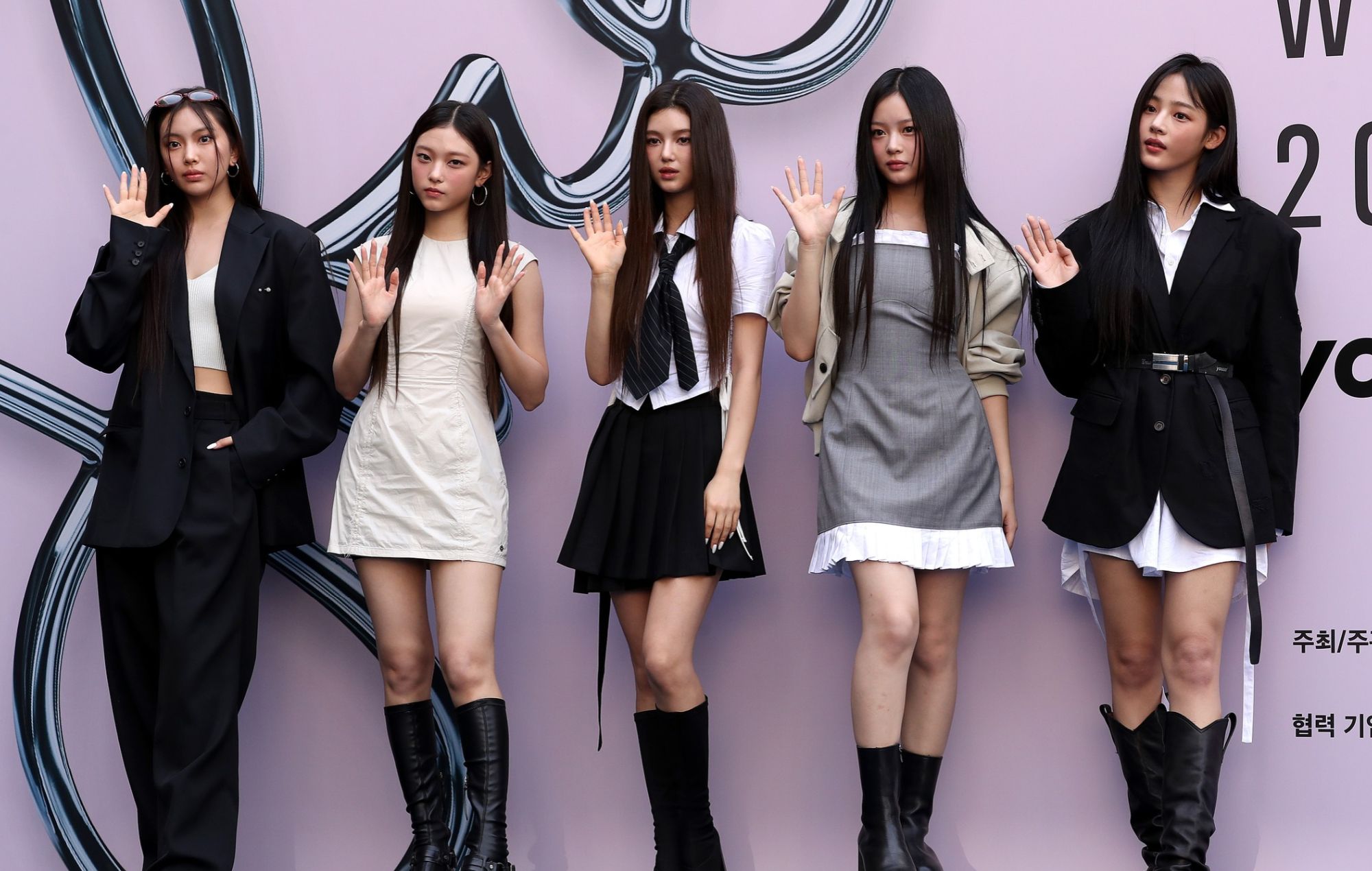
When NewJeans topped the Billboard charts in 2023, they secured a rare milestone, matching a feat accomplished by only one other Korean girl group, Blackpink. The commercial peak suggested an unstoppable run, yet within a year, the quintet was staging an open revolt. In 2024, the members attempted to walk away from their management, alleging that ADOR, an imprint operating under industry titan HYBE, was actively sabotaging their career. As the legal filings spilled into view, the paperwork binding the performers revealed why this collision was set in motion long before the chart triumphs arrived.
All five singers were between fourteen and seventeen years old when they signed on the dotted line with ADOR. South Korean authorities offer standardized contract blueprints for entertainment companies, specifically crafted to establish basic guardrails for underage talent entering a demanding business. In the case of NewJeans, the contracts reportedly bypassed several core clauses found in that state issued framework. Among the most notable absences was explicit language guaranteeing basic human rights for young performers. That official guidance usually covers mental and physical well-being, the right to continue an education, personal dignity, and simple bodily necessities such as sleep, recreation, and personal autonomy.
The paperwork also avoided government language that protects underage performers from exploitation. Under standard guidelines, agencies cannot require a minor to participate in overly sexually suggestive routines or endure excessive physical exposure. In the documents given to NewJeans, that specific safeguard was missing. Instead, the contract substituted strict codes of personal conduct, explicitly forbidding the teenagers from entering inappropriate romantic relationships while warning them against showing an insincere attitude.
HYBE has consistently maintained that its contractual agreements stay within the boundaries of child welfare laws. The parent conglomerate asserts that its workplace environments are safe and that its contracts exist to protect, rather than exploit, young talent. In response to questions surrounding cosmetic surgery, a practice long woven into the wider pop landscape, the company stated that it does not push or advise talent to undergo cosmetic procedures without their genuine consent.
By 2025, however, the working relationship had completely decayed. Group member Hanni went public with accounts of communication breakdowns and calculated manipulation by executives. ADOR rejected the characterization, responding that an artist cannot simply walk away from a binding agreement because of a subjective loss of confidence in their management. The fight soon turned into an aggressive legal offensive. ADOR filed a court claim seeking thirty million dollars, roughly twenty two million pounds, targeting member Danielle, one of her family members, and the group's producer for damages and contract breach penalties.
The band tried to secure their freedom through the judicial system, but their petition ran aground in October 2025. The Seoul Central District Court threw out their appeal to terminate the arrangement, holding that NewJeans must fulfill the terms of their exclusive deal until it runs its course in 2029. That ruling effectively locked them in place for years, yet the most sweeping clauses in the paperwork extend far past the expiration date.
Once the clock runs out on the agreement in 2029, ADOR continues to hold indefinite rights to license and exploit the members' personal identities. The singers would still receive royalties, but they would have no ownership over their own names, faces, or vocal signatures. The company is even granted the legal freedom to build artificial intelligence voice clones and interactive digital chatbots in their likeness. The situation has reached such a pitch of public helplessness that fans have openly pleaded with online creators like MrBeast to purchase the label and release the singers. Danielle later shared that she fought to the very end to keep the group intact, offering a blunt reminder of what can be conceded when teenage performers sign away their futures before reaching legal adulthood.