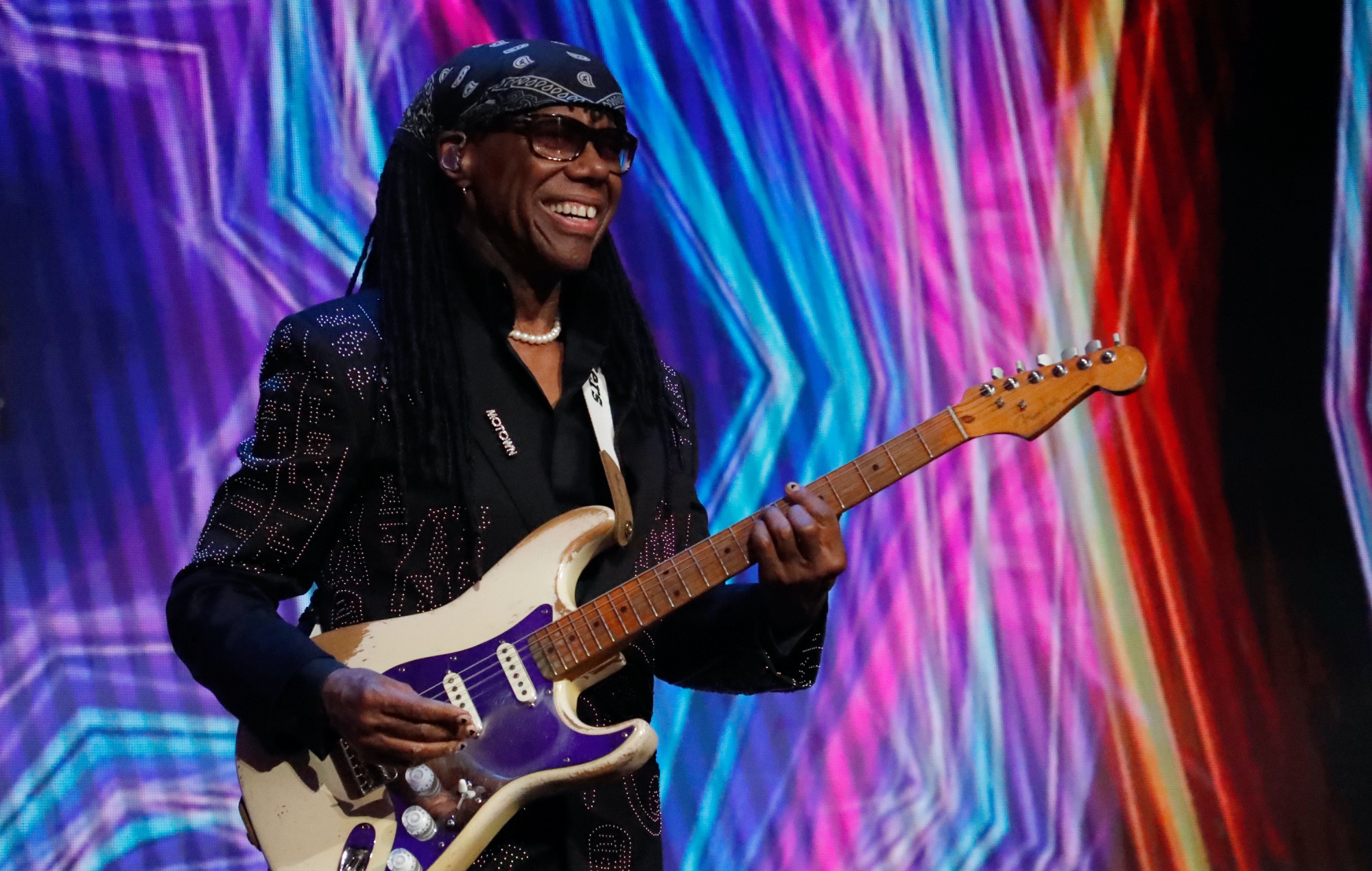
Nile Rodgers has rarely shied away from studio experimentation, but his recent preview of an artificial intelligence project stirred up an unexpected row with his audience. The Chic co-founder posted clips detailing an AI capture process he called next level, showing a digital likeness of himself created for an upcoming holiday release. When commenters reacted with dismay, Rodgers refused to stay quiet or delete the post. Instead, he stepped directly into the comments to argue that his critics were being hypocritical, defending both the practical realities of the project and the human effort required to build it.
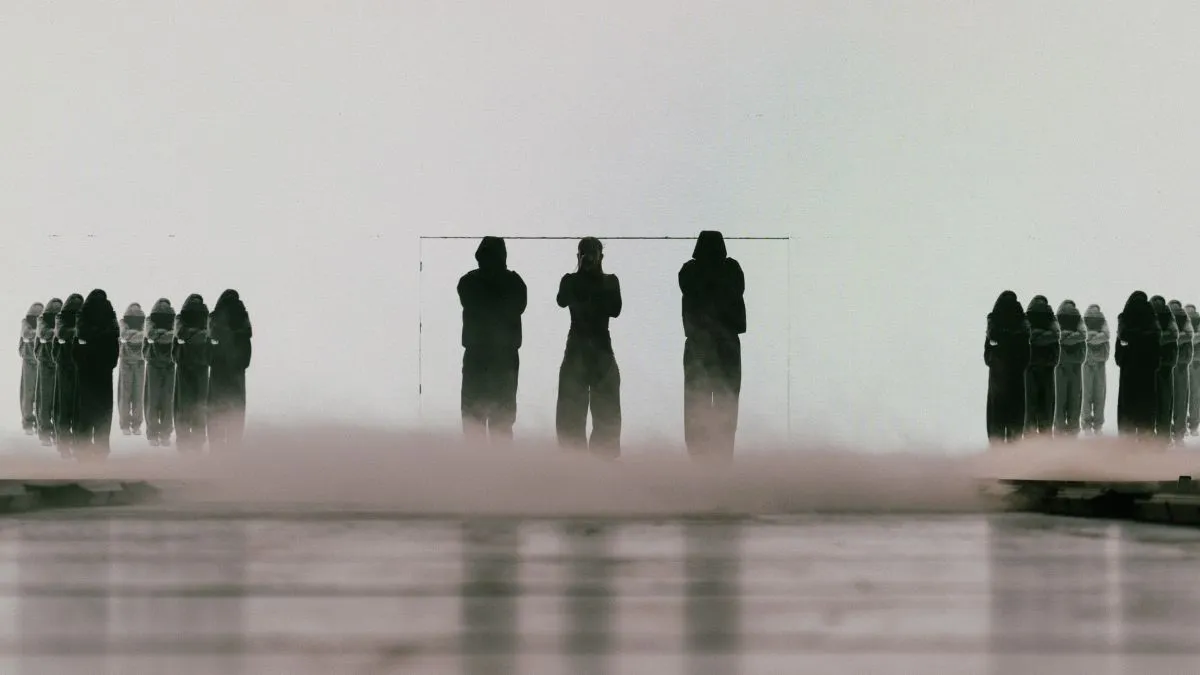
The visual concept grew out of an experience at the Sphere in Las Vegas, where the Eagles were staging their residency. Watching that production prompted Rodgers to think about how immersive, detailed visual backdrops could accompany his music. Eager to explore similar possibilities, he decided to test generative technology, viewing it as an exciting way to construct elaborate scenes without a traditional film set.
Plenty of followers took immediate issue with the preview. Under his Instagram post, listeners questioned why veteran artists were embracing generative systems, with some labeling the imagery as slop and another remarking that their disappointment was immeasurable. Rather than ignoring the noise, Rodgers challenged the premise of their frustration. He asked whether people held the same distaste for computer generated imagery, while wondering why audiences were so eager to condemn a project before giving the finished work a proper viewing.
The video was put together for The Christmas Song, a charity single Rodgers released alongside Rebecca Ferguson back in 2020. In the preview frames shared online, digital counterparts of Ferguson and Rodgers appear on a performance stage. They are joined by a large, fuzzy character, while smaller cuddly creatures sit watching from the audience seats beneath a green and gold holiday title graphic.
Several commenters questioned why generative software belonged in a charity endeavor, but Rodgers insisted the process was far from an automated shortcut. As he explained in his replies, his team drew up storyboards, compiled mood boards, and worked through the visual staging setup by setup alongside a television director. In his view, the tools simply carried out the specific instructions they were given by the production crew. Practical financial concerns also played a massive role, as Rodgers noted that shooting the exact same scenes through conventional film production would have required roughly 100,000 dollars.
Beyond the budget constraints, Rodgers called out what he saw as a contradiction in the public outrage. He pointed out that everyday routines already lean heavily on artificial intelligence. Anyone opening Instagram, looking up driving directions on a map, or running a search through Google is tapping into the same underlying digital infrastructure. For Rodgers, leaning on those automated tools in daily life while scolding a musician for using them in a creative workflow made little sense.
The motivation behind the project is intensely personal for the guitarist. Rodgers recalled his first cancer diagnosis, noting that the courage of a sick child helped him navigate his own illness. That memory shaped his desire to create something special for bedridden children in hospitals, young patients whose primary connection to entertainment often comes through screens like iPads. He envisioned the piece, scheduled for release on November 20, as a playful narrative designed to bring joy and comfort during the holiday season.
This defense fits neatly alongside remarks Rodgers made in 2023, when he rejected the idea that generative software is inherently fraudulent. At the time, he compared the current wave of visual and audio software to the advent of drum machines and sequencers decades ago, equipment that once faced skepticism yet ultimately enabled countless aspiring artists to make records. By his logic, tools are judged by how creators direct them, and he sees no reason to step away from exploring what is possible.