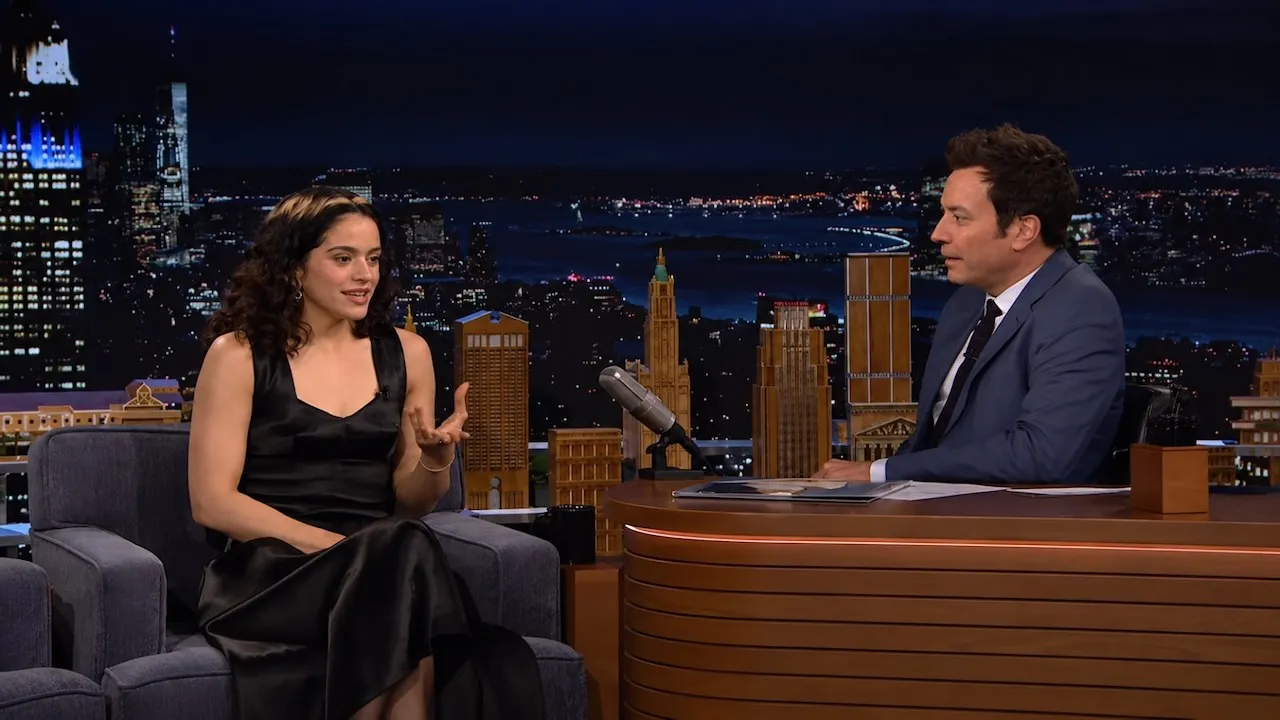

When Olivia Rodrigo sits down to write, algorithms do not get an invite into the room. While the music business continues to debate what generative software means for recording studios, the singer has set an unmistakable boundary around her own catalog. She has stated that artificial intelligence will never play a role in her music, keeping her songwriting firmly rooted in human hands.
Her solitary encounter with the technology did not do much to change her mind. During a casual session with her longtime producer Dan Nigro, the two decided to see what ChatGPT might suggest if prompted for potential Olivia Rodrigo song titles. The results, as Rodrigo recalled, were completely terrible. That brief test was enough to close the door on automated composition for good.
The skepticism Rodrigo voiced mirrors a larger fight brewing across the industry. Companies building automated music models have run into intense resistance from writers and musicians who say their work was scraped without permission or payment. Suno, for example, acknowledged that it pulled audio from YouTube in order to train its generation models. That admission helped spur formal legal action, with songwriters like Jason Isbell taking the platform to court. The lawsuit claims the software generates tracks designed to copy specific artist identities and established musical styles, all without obtaining consent from the people who created those sounds in the first place.
Not everyone shares that defensive posture. Dr. Dre recently argued in favor of automated tools, pointing out that earlier innovations once faced the very same distrust. In his view, the current anxiety around automated creation resembles the pushback that producers encountered when drum machines and synthesizers first showed up in recording spaces. The split leaves modern music caught between producers eager to experiment with generative programs and writers who treat original human composition as something essential.
Rodrigo clearly falls into the latter group, a position that matches the ethos behind her latest record. Her third studio album, You Seem Pretty Sad For A Girl So In Love, came out in June with a deliberate focus on personal growth and unpolished expression. Instead of leaning on predictable patterns, the collection found her taking weirder, more adventurous chances as an author and composer, leaning into choices that a predictive algorithm would hardly assemble on its own.
Right now, that work is playing out in front of audiences on her Unraveled Tour. Her touring schedule stretches into next spring, when she is set to play an extended run of dates at London venue The O2. It follows an active summer that included launching Daisy Chain Fields, an all women festival staged in California. The event raised millions of dollars for organizations that support women and girls, bringing together a bill that featured sets from Doechii, Chappell Roan, Garbage, and Bikini Kill. Even with that charitable success, the festival still drew negative headlines after the fact, when an open letter from a food vendor complained of unpaid fees and poor event management.
Between touring arenas and dealing with the logistical fallout of festival promotion, Rodrigo has kept her artistic convictions simple. As tech firms push generative software deeper into creative fields, she has wagered that listeners still want the genuine quirks of human songwriting over whatever a computer model can assemble.