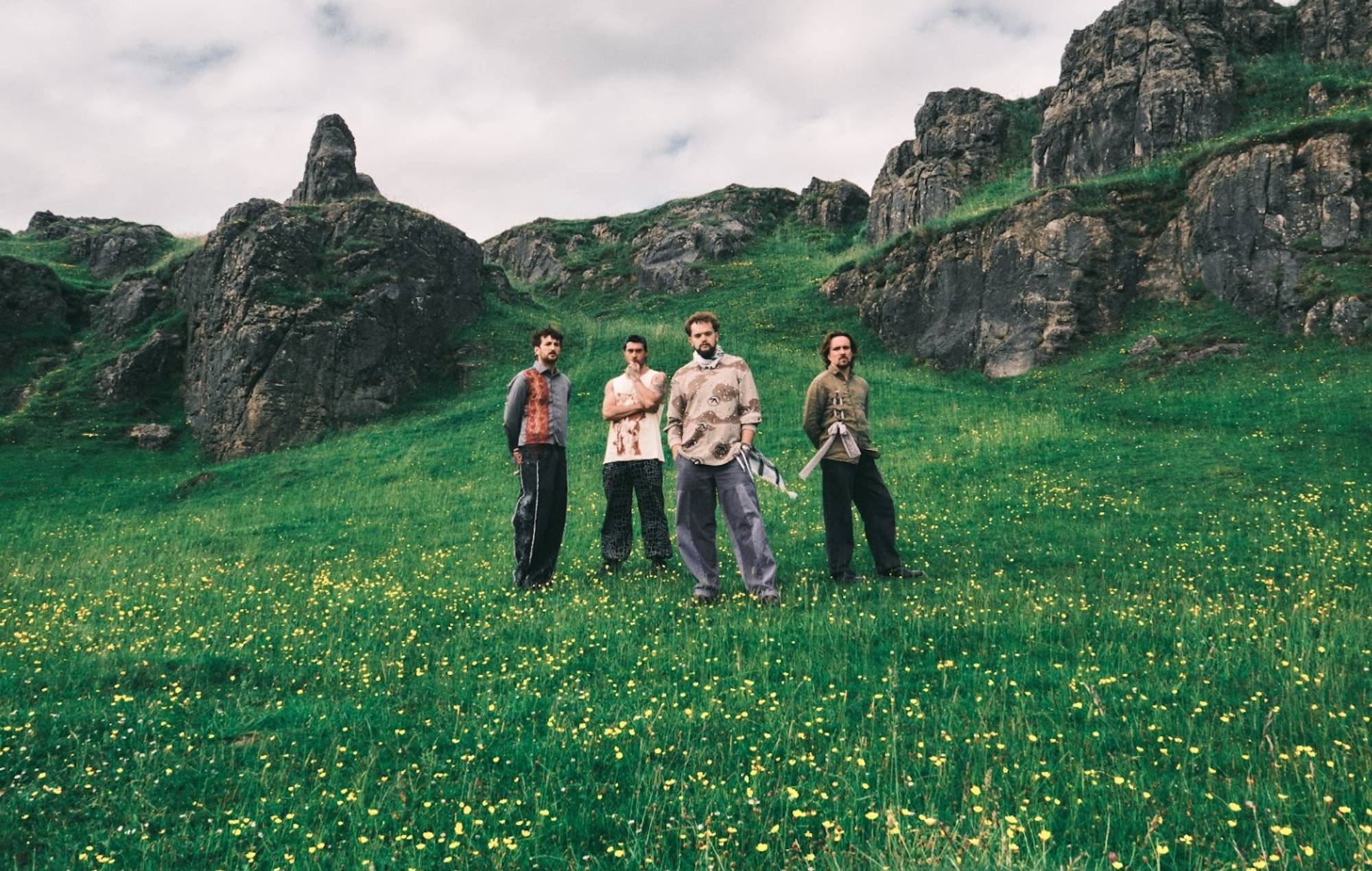
Industrial conversions have long provided modern culture with unusual spaces, but Stockholm is taking that concept to a striking architectural scale. In March 2027, the city will officially launch Gasometer, a multi-purpose arts venue built inside a late nineteenth-century brick and steel gas holder. The opening run will take place over four days, beginning on Wednesday, March 17, and wrapping up on March 20. Instead of relying on a standard tour stop or conventional festival bill, the venue will introduce itself through an ambitious multi-disciplinary production featuring Patti Smith, FKA twigs, and Marina Abramović.
That centerpiece is a commissioned piece called ALEPH. Spread across four distinct acts, the production is designed to connect songwriting, classical orchestration, visual installation, and choreography. Swedish composer Jacob Mühlrad is curating and scoring the music alongside visual artist and creative director Alexander Wessely. Rather than simply playing through their familiar back catalogues, both Patti Smith and FKA twigs will perform their material against new orchestral scores composed specifically for the occasion by Mühlrad. Performance artist Marina Abramović will feature through an original piece written by the composer. The collaborative lineup also brings in singer Celeste, alongside choreography arranged by Sir Wayne McGregor, the resident choreographer of the Royal Ballet in the UK.
The narrative of ALEPH takes its cues directly from the site itself, mapping the journey of the building from heavy municipal industry to an open cultural platform. Mühlrad has noted that Abramović, Smith, and FKA twigs served as artistic pioneers whose broader bodies of work helped direct the vision for the four-act performance, adding that the work represents something completely different from anything he has previously staged. From a staging perspective, Wessely intends to envelop attendees with sound, sculpture, and light from every angle. He has compared the physical impression of the room to the humbling scale of entering a cathedral, framing the four-day event not as a standard concert, but as a shared ritual.
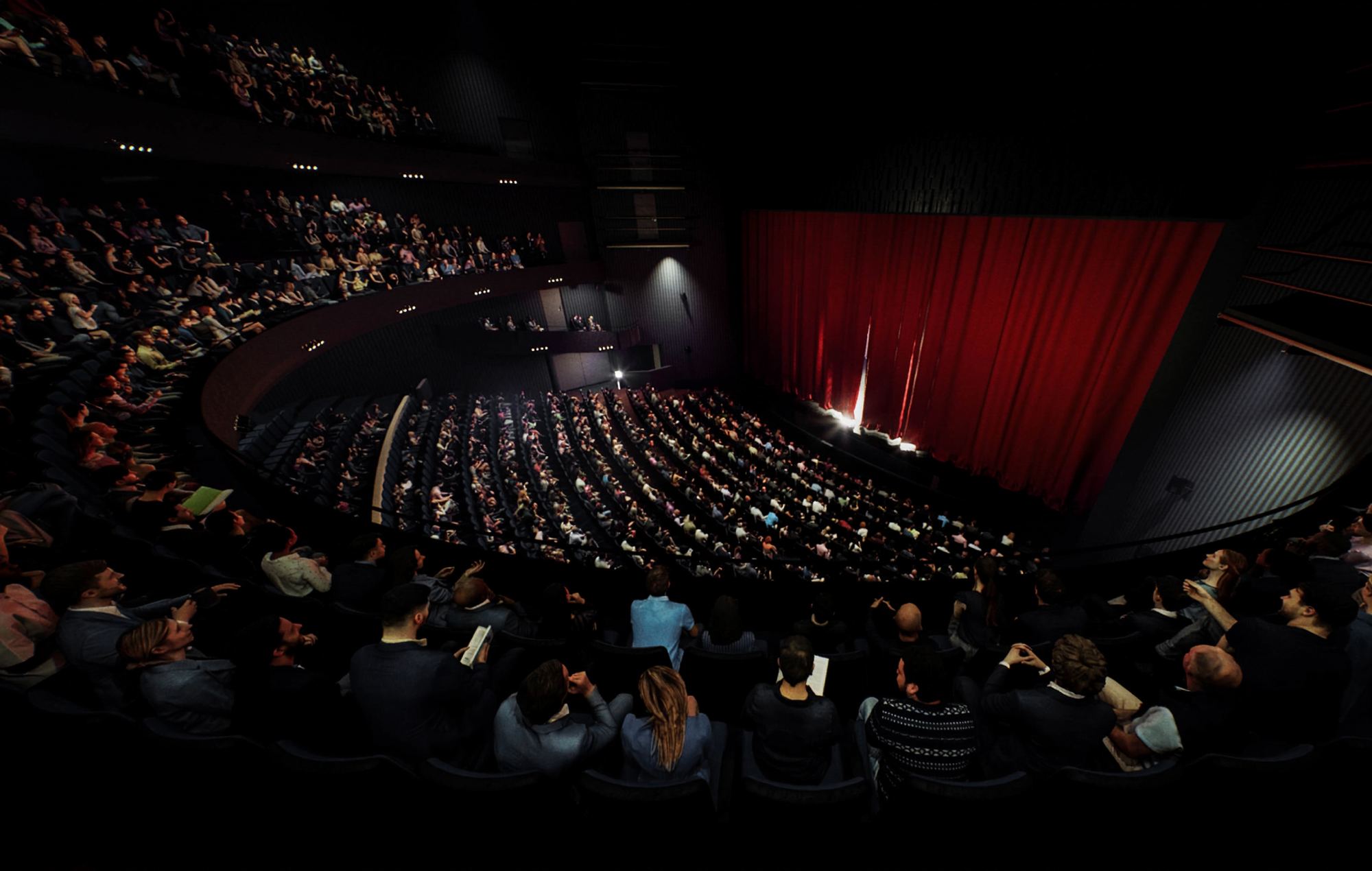
Architecturally, the building carries substantial history. Architect Ferdinand Boberg originally designed the brick and steel structure, which reached completion in 1899. Transforming the site into a modern arts complex has required an investment of roughly 100 million euros, which amounts to approximately 83.6 million pounds, representing a major component of a broader urban regeneration program across Stockholm. The interior layout splits into two distinct performance tiers. On the ground level sits a pillar-free main auditorium capable of hosting between 1,700 and 2,300 people, structured to accommodate heavy stage productions and elaborate visual designs. Above it rests The Dome, a smaller space holding up to 1,000 visitors that will accommodate live music, immersive artistic projects, and fine dining.
Behind the scenes, the development operates as a joint venture between the City of Stockholm and entertainment operator Miramis. Miramis is backed by investment group Qarlbo AB, an entity that also supports PopHouse, the company known for London's ABBA Voyage production. The operator already manages Stockholm's Cirkus venue. Programming at Gasometer is led by Julien Planté, formerly of London's KOKO venue, who has pointed to the weight of responsibility that comes with reinterpreting Boberg's original 1899 design into an active cultural home for northern Europe.
The venue will also absorb a major institutional responsibility almost immediately. From 2027 until 2032, Gasometer will serve as the temporary base for the Royal Swedish Opera while that company's historic home undergoes an extensive, long-term renovation. Even with an entire national opera company occupying the calendar, contemporary music will remain woven into the building's identity from the start. Under the agreement, Miramis retains ten nights each calendar year for its own proprietary entertainment and music bookings, paired with another ten co-production dates, keeping the converted industrial space engaged with contemporary touring artists.