Billy Idol spent the turn of the nineties trying to steer his brand of rock through changing commercial tastes, and few songs from that chapter traveled further than "Cradle of Love." More than three decades after the single first landed on the charts, Dutch Moroccan producer Fadil El Ghoul, known globally as R3HAB, has delivered an official remix aimed at electronic dance audiences. It is an unexpected collision of worlds, taking a defining piece of Idol's catalog and handing the master recordings over to a modern festival heavyweight.
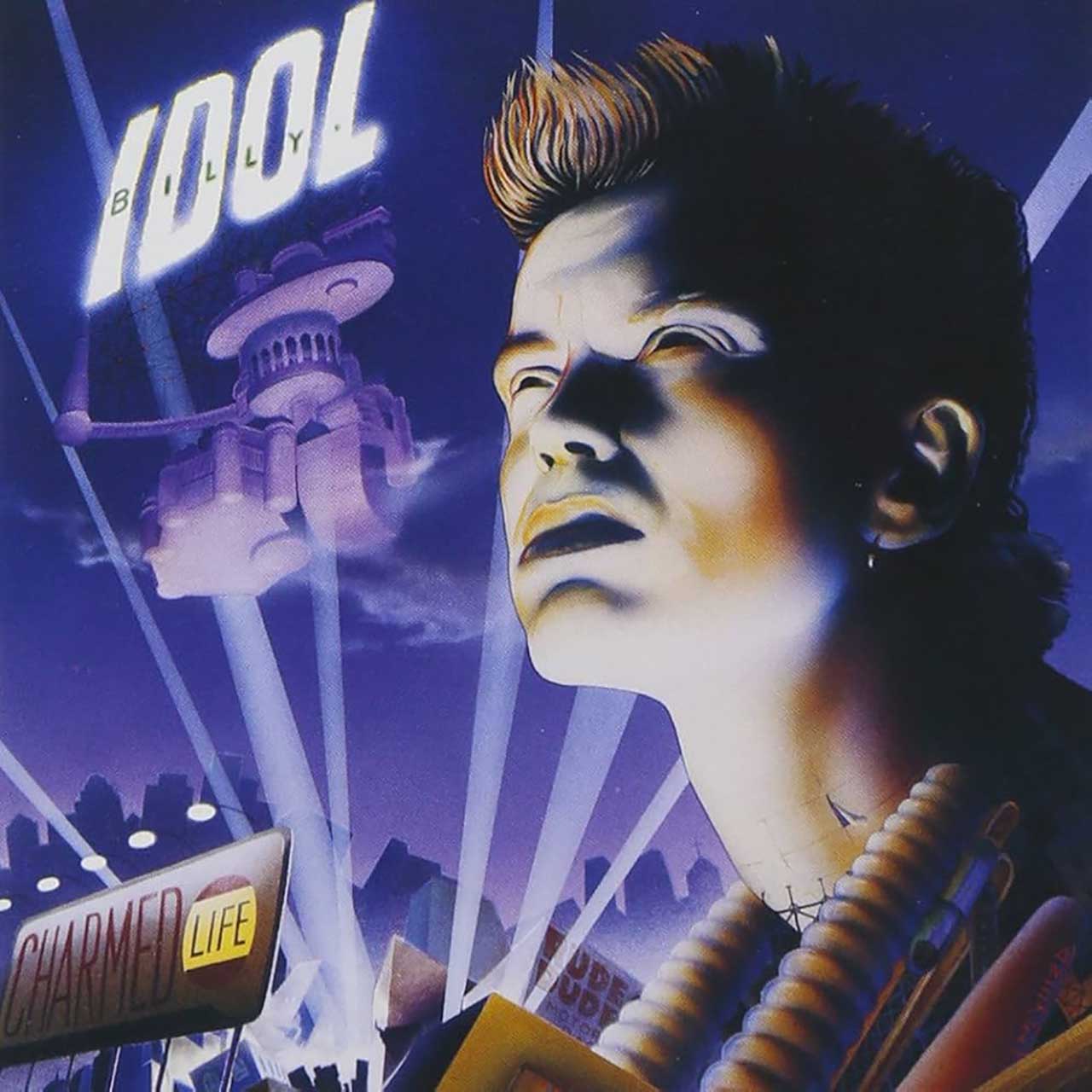
The original cut came out on Idol's 1990 full length record, Charmed Life, arriving as mainstream rock began to confront major stylistic pivots. "Cradle of Love" quickly turned into one of the biggest crossover achievements of Idol's career. The track climbed to number two on the Billboard Hot 100, driven in no small part by television rotation for its memorable video. That clip was directed by David Fincher, who was just taking his earliest steps toward Hollywood filmmaking at the time. Over the ensuing decades, the track has maintained a steady presence in popular culture, racking up millions of streams across the globe and remaining one of the British singer's most recognizable singles.
Handing the keys to R3HAB brings a distinct level of commercial force to the song. El Ghoul has built an enormous footprint in dance music, logging more than 12 billion streams across his catalog, with more than 1.1 billion of those streams arriving in 2024 alone. He holds more than 100 Diamond, Platinum, and Gold certifications, having established a career that moves fluidly between festival main stages and top tier pop radio. His resume includes official remixes and production work for artists such as Taylor Swift, Drake, Calvin Harris, and Rihanna, alongside direct collaborative efforts with Luis Fonsi, Ava Max, and ZAYN. Opening up Idol's archive to an electronic producer of this stature represents an explicit effort to introduce his catalog to modern dance floors.
Yet the buoyant, confident rhythm of "Cradle of Love" sits alongside a much darker personal period for Idol. Charmed Life was a heavily anticipated follow up to his 1986 album, Whiplash Smile. In February 1990, only hours after putting the finishing touches on the record, Idol took his motorcycle through Hollywood and suffered a horrific collision. The accident left the singer hospitalized for months with severe injuries. At the time, observers wondered whether Idol would ever walk again, leaving serious doubt over whether he could ever take the new music on the road.
The trauma of that crash remained vivid for Idol decades later. Speaking to Record Collector magazine in 2022, he looked back on the near fatal incident as a dramatic wake up call. He recalled the uncertainty of that hospital stay, explaining that he did not know whether he would lose his leg or if his career as a recording and performing musician was finished for good. Rather than stepping back, Idol poured his energy into physical rehabilitation, driven by a determination to heal in time to fulfill the promotional tour already scheduled in support of Charmed Life.
Idol did indeed make his way back to the stage, and his persistence has remained a constant feature of his later career. The singer behind "White Wedding" has kept up an active presence on the road, touring continuously for the past ten years. That enduring stamina received official recognition earlier this year at the American Music Awards, where Idol was honored with the Lifetime Achievement Award. During the May 25 broadcast, Idol took the stage to perform a medley of his biggest hits, an appearance that marked his first time ever performing on the AMAs broadcast.
R3HAB's rework of "Cradle of Love" arrives in the midst of this retrospective moment. By taking a song born on the edge of personal tragedy and reworking it for current festival crowds, the remix underscores the resilience of Idol's music, giving an unmistakable 1990 hit a fresh turn under the lights.