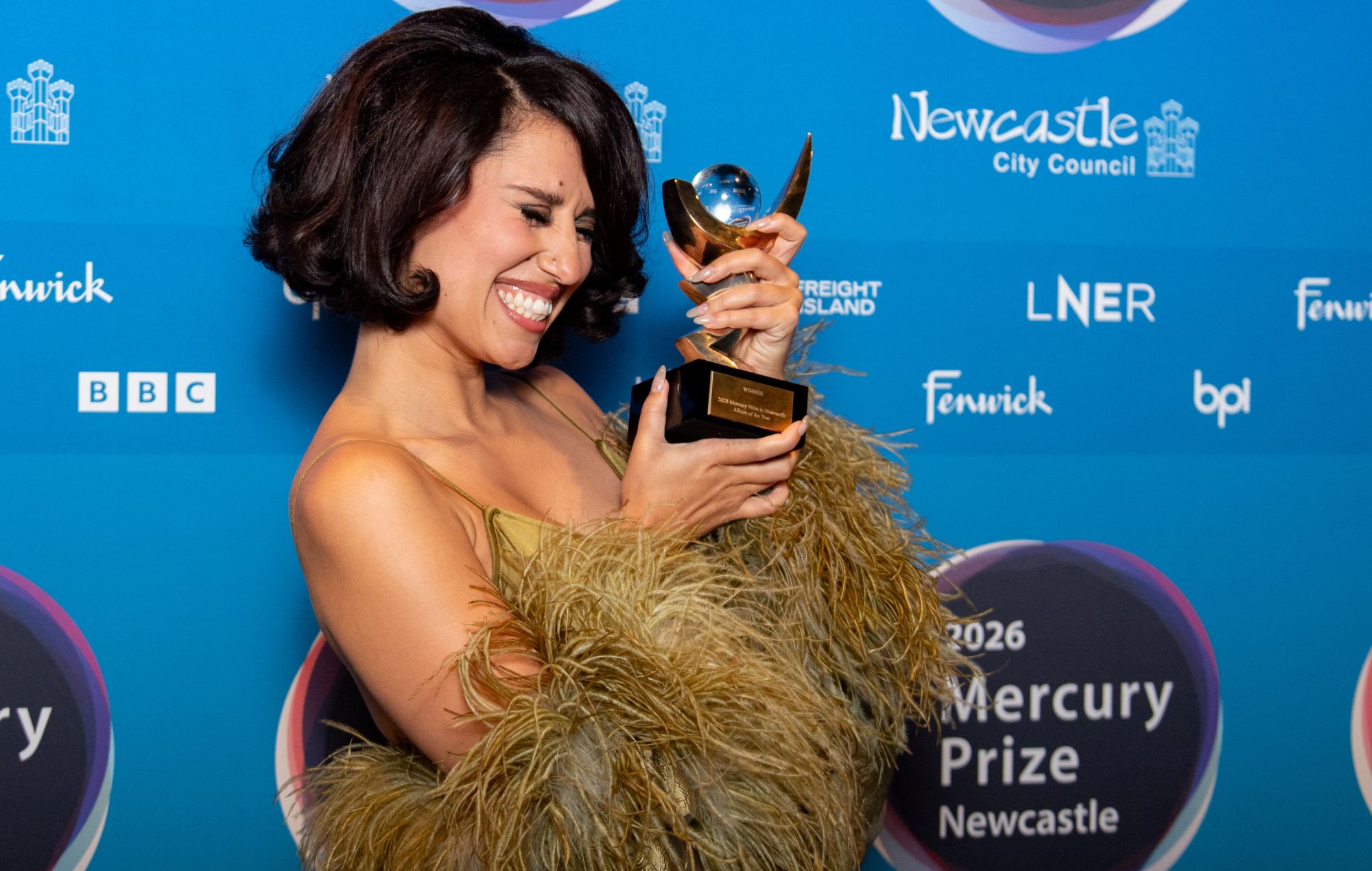
Newcastle took its turn hosting the Mercury Prize on Thursday night, and the judges at the Utilita Arena landed on a winner who has spent the last few years redefining how far an independent artist can reach. Raye collected the 2026 award for her second studio album, This Music May Contain Hope, capping the ceremony with an emotional speech before returning to the stage to deliver the final performance of the evening. For a songwriter whose public break from her former record label played out so visibly, standing in Newcastle with the UK industry's most prestigious album trophy carried obvious symbolic weight.
She came out on top of a varied, competitive shortlist. The twelve nominees stretched from veteran acts Paul McCartney and Suede to established chart forces Dave and Florence + The Machine. Raye also edged past contemporary soul and pop contenders Olivia Dean and JADE, jungle innovator Nia Archives, alongside Knats, Dove Ellis, Kojey Radical, and the War Child charity release Help(2). Taking the prize against that spread of legacy artists, rising voices, and commercial juggernauts underlines how firmly she has managed to carve out her own space.
Speaking to journalists in the winners room shortly after the announcement, Raye treated the win as an early personal milestone. She turns 29 tomorrow, describing the award as the finest birthday present she could have asked for, before quipping that she had originally hoped this year would bring her either a boyfriend or a Mercury Prize. Moving past the joke, she spoke about the specific relief of being acknowledged purely for the work. She explained that she feels seriously seen, pointing to the constant push and pull between genuine creative expression and commercial demands in modern music. After investing her entire heart into the project, receiving that level of recognition following past label frustrations felt profoundly rewarding.
The sheer scale of This Music May Contain Hope gives a clear sense of what she was fighting for. Rather than scaling back for convenience, Raye set out to make the grandest album she could manage, ultimately enlisting roughly four full orchestras to record the arrangements. That sense of collective effort was something she wanted preserved in the packaging itself. She noted that the closing track on the record reads out the name of every single musician who played on the sessions, calling that communal tribute one of her favourite creative decisions across the entire project.
She also took time to unpack the background of 'I Know You're Hurting', one of the central songs on the tracklist. The piece confronts mental health issues directly, written during open conversations with her touring band about the emotional challenges men face. Raye observed that British culture often makes it uncomfortable for men to speak openly about vulnerability, leading to a session that left everyone in the room deeply moved. Despite the heavy subject matter, she sees the finished track as an offering of real light and love.
Her comments also addressed the broader reality of releasing music outside the major label ecosystem. Raye spoke directly to other musicians trying to make their way without corporate backing, noting how hard it is to navigate the business as a young independent woman. The path requires relentless persistence, she said, recalling times she sat watching award acceptance speeches and wondering whether she would ever get a chance to stand on those stages. Her message to independent artists was simple, noting that giving your life to music takes time, but eventually a door creeps open.
There was no room for celebrations in Newcastle once the lights went down. Raye faces an immediate journey south to London, where she performs This Music May Contain Hope in its entirety with an orchestra at the Royal Albert Hall tonight. The show sold out under intense public demand that caused ticket platforms to crash under pressure from tout bots, leaving her facing a demanding concert on almost no turnaround. Raye confirmed that an afterparty was entirely out of the question, choosing strict vocal rest and sleep instead before stepping onto one of the capital's most historic stages.