When long-running rock groups write songs about younger artists, the subject matter usually remains at a safe, mythical distance. Bono took a more direct route while putting together an upcoming U2 track inspired by Rosalía. Rather than simply dedicating the material to her from afar, the singer reached out to compare notes, seeking her input on some Spanish phrasing he wanted to use.
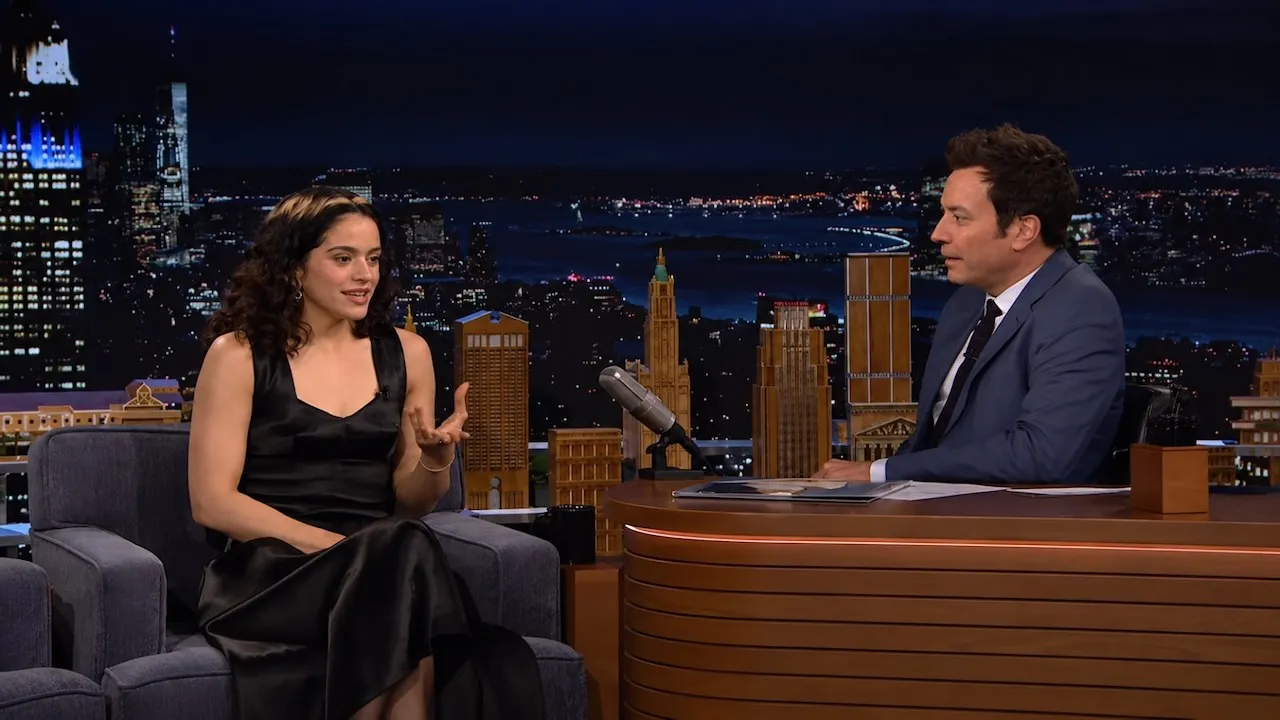
The exchange came to light during Rosalía's Wednesday appearance on The Tonight Show Starring Jimmy Fallon. As she explained from the guest couch, Bono contacted her directly while drafting the song, titled The Mirror Maker (Rosalía). The piece was written about her, and Bono wanted to make sure his Spanish lyrics worked before finalizing the cut. It was a reasonable precaution, given how easily tone, idiom, and intent can warp whenever a lyricist writes outside their primary language.
According to Rosalía, however, the consultation did not turn into the high-level workshop Bono might have anticipated. In a candid moment on the show, she confessed that her advice was fairly useless. Her honesty cut against the standard template for these stories, which almost always frame cross-generational pop encounters as flawless meetings of minds. Instead, Rosalía left viewers with the much funnier picture of a rock icon asking for bilingual pointers and getting very little practical direction in return.
That frankness makes the backstory considerably more entertaining than the usual promotional talk. Tribute songs carry an inherent self-importance, especially when they feature the subject's name in parentheses right in the title. Admitting that the behind-the-scenes reality was clumsy and unhelpful grounds the track before anyone outside the studio has even heard it.
Whether Bono kept the Spanish lines they discussed remains an open question until U2 formally releases the cut. Whatever made the final tape, the exchange provides an unusual prelude to the song, showing how a tribute written about an artist managed to pull her into the drafting process, even if only to demonstrate that translation is rarely simple.