A concert record usually takes one of two paths. It either arrives hot on the heels of a tour to bottle current momentum, or it waits in the vault until someone decides the time is right to pull the tape reels off the shelf. The first official live release credited under Scott Weiland's name took the patient route. Titled Scott Weiland: Live, the recording is now widely accessible on compact disc and digital services, giving listeners an unvarnished look at the late frontman at work in front of a crowd.
The package did not start out on streaming services. In keeping with a common release strategy for archival projects, it debuted earlier this year as a limited vinyl exclusive for Record Store Day. That event functions as an effective testing ground for catalog material, offering independent record shops a scarce title while gauges are taken on collector demand. For anyone who missed out on the initial batch of wax, or who simply did not want to hunt down sold-out vinyl copies on the secondhand market, this wider distribution provides the first opportunity to hear the full show.
Shifting from a specialty record store exclusive to standard physical discs and digital files fundamentally alters how the audience interacts with the concert. A limited pressing belongs to the home turntable, which naturally restricts the music to a small group of people with the right equipment and the time to sit by a needle. CDs and digital streams, by contrast, make the performance part of regular listening routines. The set can live in the car, run through everyday stereo systems, or play over headphones during a commute, serving as an approachable entry point for anyone curious about Weiland's solo shows.
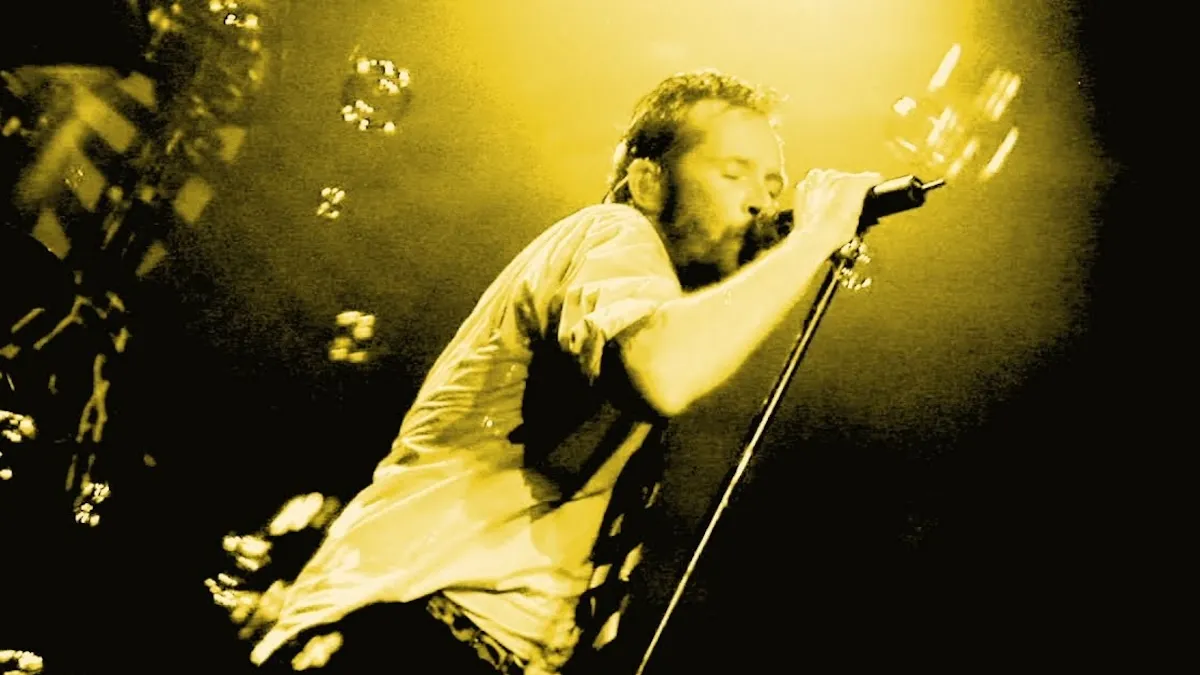
To build on the audio release, the package also includes previously unreleased video footage of Weiland performing Vaseline. Written and tracked during his time with Stone Temple Pilots, the song remained a steady fixture in his performance catalog across his career. Having visual evidence alongside the audio document adds a distinct dimension to the release. Studio recordings often highlight precision, but watching Weiland work through the track in a club or theater setting showcases his loose physical style and distinct vocal delivery away from production safety nets.
A good archival release relies on its honesty. It should not try to rewrite the past with modern studio fixes, but instead document what happened in a single room on a single evening. By pairing a broad CD and digital release with unreleased concert footage, this collection leaves Weiland's stage presence untouched, offering listeners an accessible window into his craft outside the studio walls.