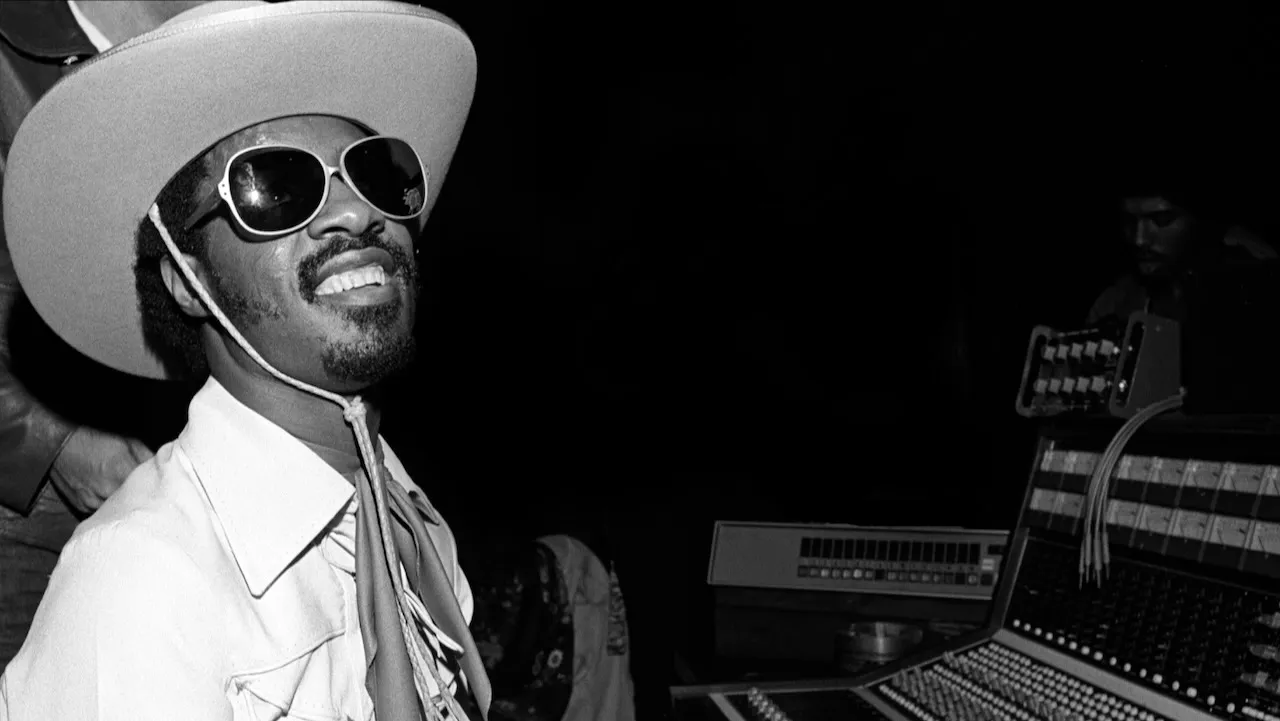
Anniversary milestones in popular music tend to follow a predictable routine, usually marked by fresh coats of paint on familiar tracks or retrospective packages that rehash what is already well known. Stevie Wonder has taken a different approach to mark fifty years since the arrival of Songs in the Key of Life. Rather than relying on simple nostalgia, Wonder went back into the studio tape boxes from the 1976 sessions and pulled out four previously unreleased tracks, assembling them into a new four-track EP.
The 1976 release was a sprawling double album that came to define Wonder's output in that era, a project so vast that it seemed to encompass every creative impulse he had at the time. Yet studio work on that scale always leaves material behind. These four unissued recordings represent the surplus of those productive dates, offering listeners access to music that has spent half a century locked away in private archives.
Wonder chose to handle the tracklist himself. That personal curation matters, particularly given how archival releases can often feel like cold, commercial exercises carried out by record labels without the input of the person who made the music. By selecting these specific cuts on his own terms, Wonder gives the collection the weight of an intentional artistic statement. It functions as a chosen addendum, presenting the pieces of the 1976 sessions that he feels are ready to be heard after decades of silence.
Among the newly surfaced material is a track called "It's Easier." Its inclusion gives listeners a clear look at what was left on the cutting room floor during the mid-1970s. When an artist operates with intense creative momentum, songs frequently get put aside for reasons that have nothing to do with their intrinsic quality. Track sequencing, vinyl space constraints, and thematic cohesion all dictate what fits onto a finished record. The arrival of "It's Easier" fifty years later serves as direct proof of how much material was flowing through those dates, showing that even the songs left behind carried genuine artistic value.
Presenting these outtakes as an independent EP rather than sewing them onto the tracklist of the original album is another deliberate decision. Longtime listeners know the pacing of Songs in the Key of Life intimately, and tacking bonus cuts onto the end of a celebrated work can easily clutter an established sequence. By isolating the four songs on their own short-form release, Wonder allows the music to exist on its own merits without altering the shape of the 1976 double album.
Fifty years after the original sessions, Wonder has managed to add an unexpected footnote to one of his most thoroughly analyzed eras. By opening the tape boxes himself and letting these four tracks out into the world, he provides a rare, quiet glimpse into the studio process that shaped a milestone.