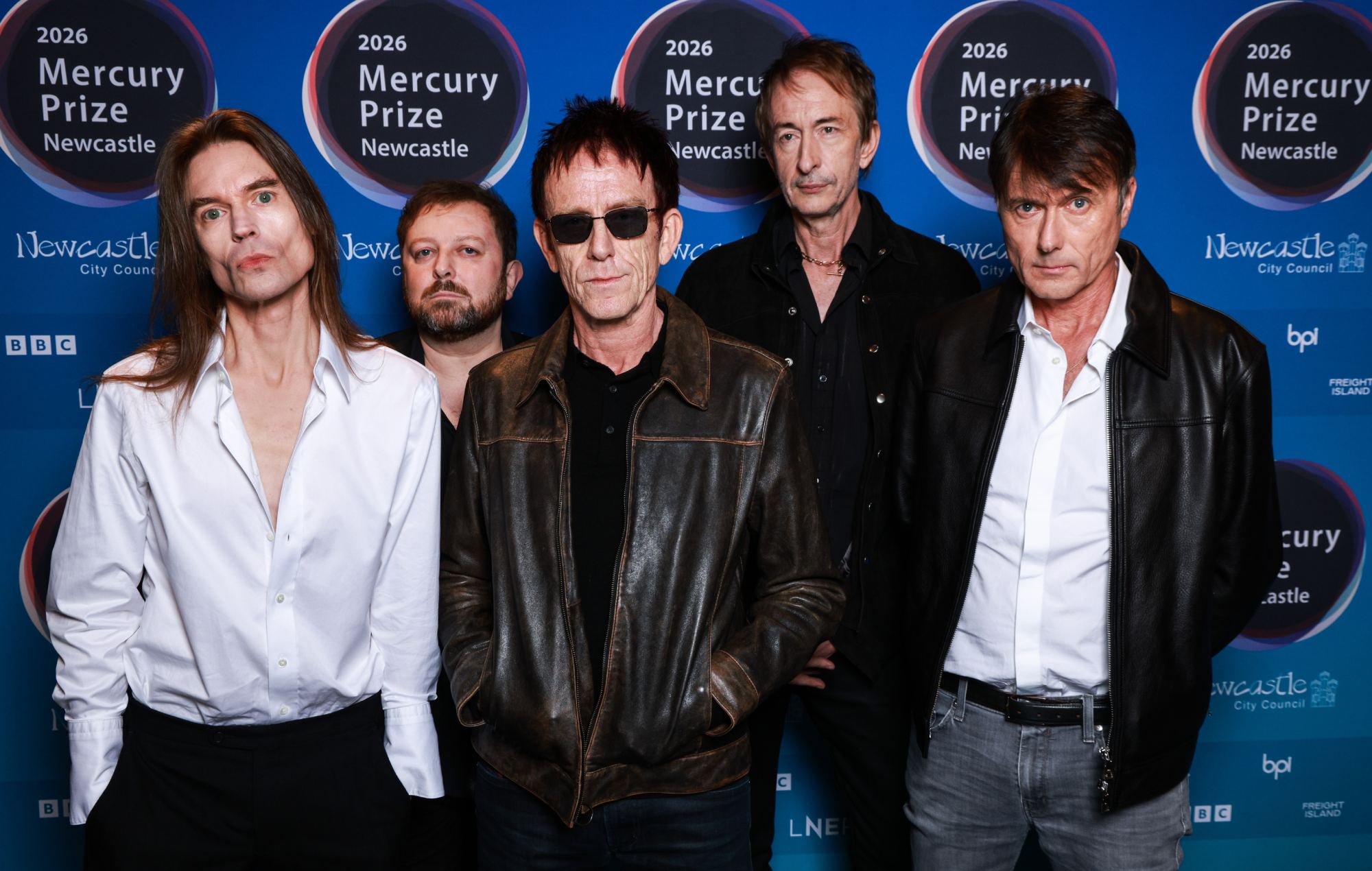
Suede have settled into a remarkably focused late career rhythm, defined by speed, grit, and very little interest in looking back. While in Newcastle for the 2026 Mercury Prize ceremony, the band confirmed that they are already deep into writing their eleventh studio album. Conceived as the final instalment of a thematic triptych, the project is being shaped as their anarcho-punk record. It follows the stripped-back punk focus of Autofiction and the post-punk drive of their tenth release, Antidepressants, rounding off a three-album sequence that has seen the group strip away studio clutter in favour of raw momentum.
According to guitarist Neil Codling, the fresh material does not abandon that fast, abrasive framework, but it does lean into broader, more direct arrangements. The band are working on straightforward, song-focused compositions designed to bring an anthemic edge to the music, pushing the prickly energy of the last two records into something more immediate.
The update came during an evening when Suede were shortlisted for their recent work. Antidepressants was nominated for the 2026 Mercury Prize alongside records by Florence & The Machine, Jade, Kojey Radical, and Nia Archives, with Raye eventually taking the award for This Music May Contain Hope. Suede played 'Dancing With The Europeans' during the ceremony, treating the entire competition with complete detachment. Having won the inaugural prize in 1993 for their self-titled debut, nobody in the group felt any anxiety about the result.
The calm atmosphere in Newcastle was a long way from their first brush with the Mercury Prize. Mat Osman recalled that the band started celebrating early that evening in 1993 because they assumed they had no chance of winning. Knowing that whoever won was spared an encore performance only encouraged them to drink more, leading to an incoherent acceptance speech before the remainder of the night vanished into a blur. Drummer Simon Gilbert spent much of the ceremony drinking his way through the venue bar, while Brett Anderson looks back with genuine fondness on being booed by the audience. Anderson appreciated the antagonism of the early nineties, a period when rival groups made no secret of hating one another. By contrast, the Newcastle ceremony felt far gentler, with Anderson noting that fellow musicians are no longer intimidated by them now that Suede occupy the role of elder statesmen.
That status has done nothing to diminish Anderson's fascination with the album format itself. For him, the continuous urge to write records comes from a belief that the long-playing record requires a discipline completely separate from assembling standalone singles or an EP. Anderson views an album as a deliberate piece of architecture, emphasizing the specific weight of track sequencing, from the tone set by the opener on side one to the pivot at track seven, right through to the relationship between the penultimate song and the closer.
In Anderson's view, the records that endure are the ones that build a distinct environment and leave the listener stranded inside it. He points to the stark spaces of Joy Division's Unknown Pleasures, the ambient discipline of Brian Eno's Music For Airports, and the initial shock of the Sex Pistols' Never Mind The Bollocks as prime examples of that singular world-building. That immersive standard remains the target as Suede pull together the final chapter of their current run, treating the full-length record as one of the essential creative mediums in modern music.