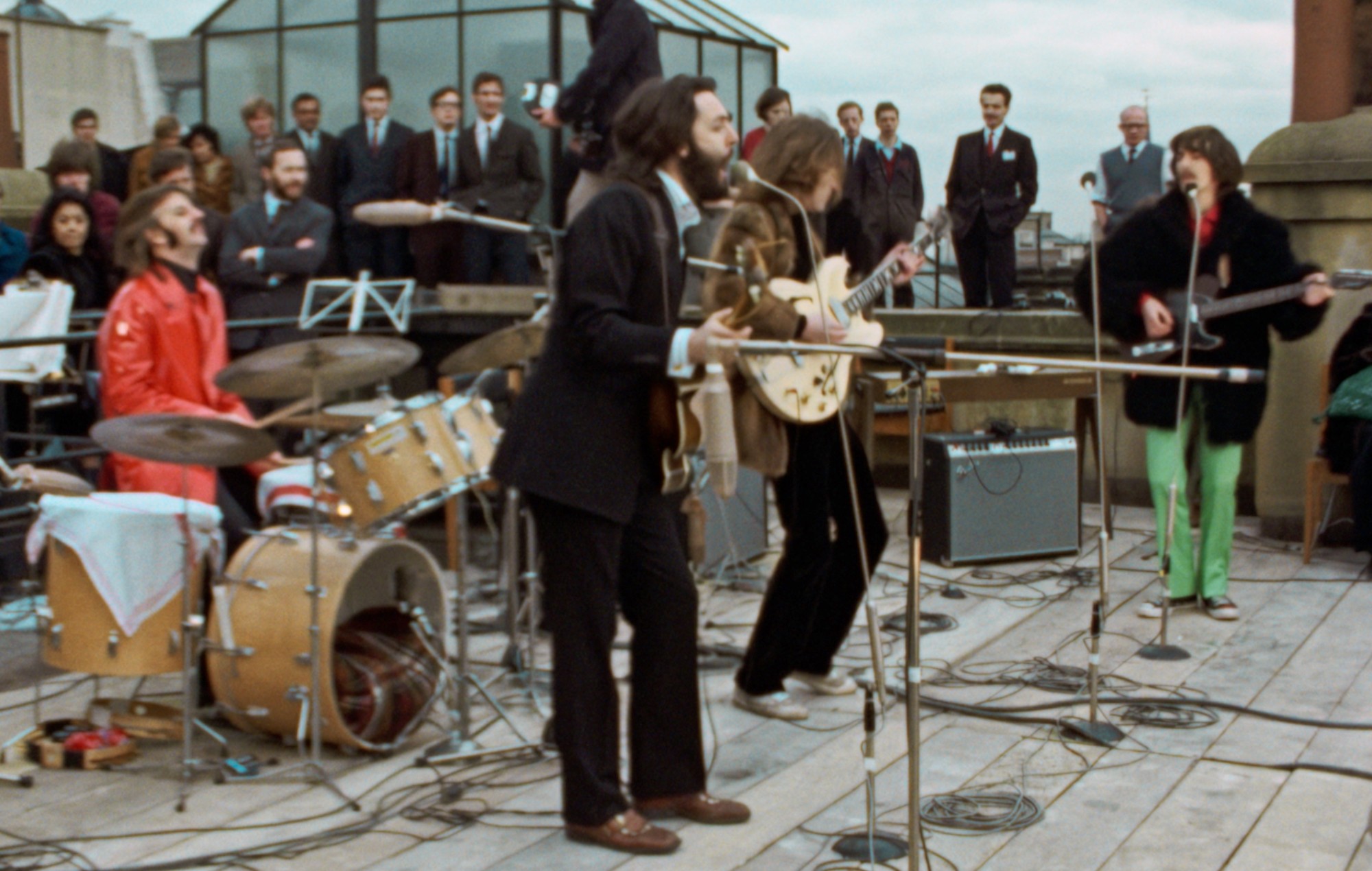
For more than half a century, 3 Savile Row has occupied a singular place in British music lore. The Mayfair townhouse operated as the headquarters of Apple Corps during the late 1960s, serving as the workplace where the group recorded the Let It Be sessions before walking upstairs in January 1969 to play their final impromptu concert. Decades of private office tenancy followed, but that quiet period is coming to an end. Westminster City Council has granted formal planning permission for Apple Corps to convert the building into a public cultural destination.
The planning committee approved the application on Tuesday, November 24, opening the way for an extensive seven-floor redevelopment scheduled to welcome visitors next year. Reclaiming the townhouse represents a long-standing goal for the company. Apple Corps sold the site during the mid-1970s following the group's split, but moved to reacquire the headlease the moment the opportunity presented itself decades later. Chief executive Tom Greene addressed the council committee to explain how deeply the address still resonates with the musicians and their families, pointing to strong shareholder backing and presenting a personal letter from Paul McCartney urging local officials to approve the scheme.
The interior plans emphasize historical accuracy over modern gallery minimalism. The front portion of the building will be reconstructed to match its 1969 state, including the reinstatement of the company's trademark Apple green carpeting. Across the seven levels, the venue will showcase previously unreleased items from the company vaults, ranging from handwritten lyric sheets and stage outfits to everyday clothing worn by the band. The layout also incorporates temporary exhibition spaces and a permanent retail shop.
Down in the basement, workers will rebuild the recording studio where the Let It Be tracks took shape, placing it alongside a basement bar and café. The subterranean level will not close down when regular gallery hours end. Apple Corps plans to use the reconstructed studio space after hours, holding private evening events that make use of the working studio setting.
The rooftop, long visible only from street level or archival film, will form the climax of the visit. The top floor will feature an immersive indoor installation engineered to recreate the perspective of sitting right behind the group during their 1969 concert, followed by access out onto the terrace. Westminster planners have attached clear safeguards to protect neighbours from excess noise. Live musical performances are completely prohibited on the roof, while amplified sound and speech on the open terrace will be kept within strict council limits.
Visitor numbers will also be regulated to prevent congestion on Savile Row. Planning estimates forecast approximately 900 people per day during the working week, increasing to about 1,140 daily visitors on Saturdays and Sundays. The project found strong support among committee members such as Councillor Tim Barnes, who argued that preserving spaces where major artistic history happened enriches Mayfair, citing the nearby Handel-Hendrix museum as proof of how well historic music landmarks fit into the borough.
The two living members of the band gave the redevelopment their endorsement when the concept first emerged earlier this year. Ringo Starr described the restoration as a genuine homecoming, while McCartney, who walked through the rooms in person to review the proposals, pointed to the remarkable density of personal memories that still linger inside the townhouse walls and out on the roof.