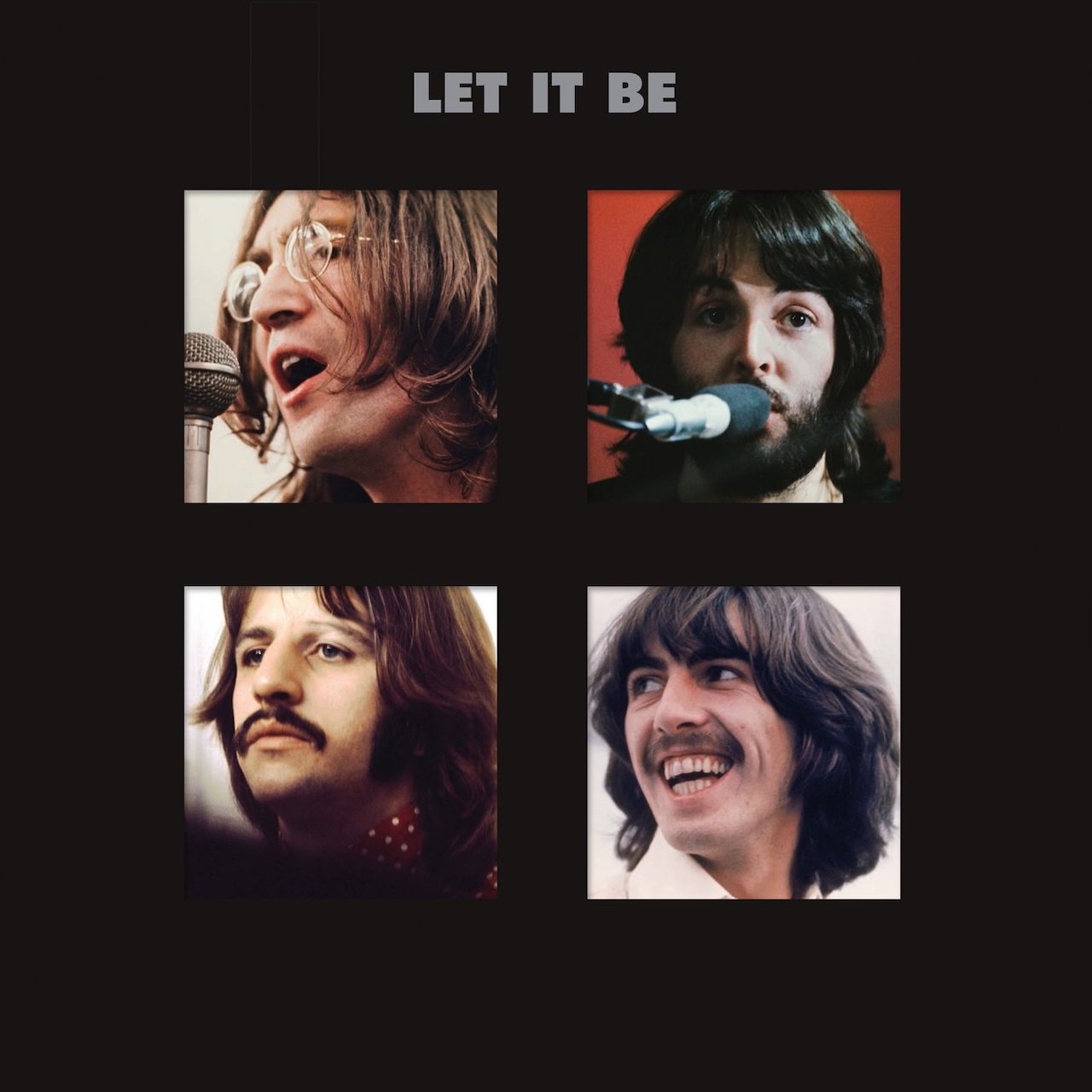
More than half a century after the Beatles walked out of the studio for the last time, their catalog continues to quietly pile up astronomical figures online. The latest entry to clear a ten figure threshold is “Let It Be,” which has crossed one billion streams on Spotify to join the platform's Billions Club. It is a striking sum for a track that arrived when the band was already falling apart at the seams.
The 1970 recording is only the third song by the group to pass that benchmark. The first two came from the same record: George Harrison's “Here Comes The Sun” and the John Lennon and Paul McCartney collaboration “Come Together,” both drawn from 1969's Abbey Road. With “Let It Be” joining them, all three of the band's billion-streamers now stem from their very last chapter together. Casual listeners and dedicated fans alike clearly lean toward the group's final studio phase when queuing up their music on digital platforms.
Written and sung by McCartney, the song eventually became the title cut for the band's twelfth and final studio album. Its actual creation belongs to January 1969, a period defined by tension, fatigue, and personal strain between the four musicians. When the song finally came out as a standalone single in March 1970, the partnership was already beyond repair. McCartney publicly announced his departure from the group shortly after the single hit shelves. Because of that timing, the track was instantly bound to the end of the band's working life.
Listeners have long had two different ways to hear the piece, rooted in distinct production philosophies. George Martin produced the original single version, opting for a cleaner arrangement that let the core performance breathe. When the Let It Be album surfaced, Phil Spector was brought in to provide additional production. Spector applied his signature dense approach, fundamentally reshaping the tone of the recording. Both versions remain available to modern audiences, keeping the contrasting treatments of those tense January 1969 sessions side by side in the digital catalog.
The initial public reception back in 1970 signaled how massive the track was from the start. “Let It Be” entered the Billboard Hot 100 at number six, which established a new record at the time for the highest debut in the chart's history. It did not take long to climb to the number one spot, putting another crown on the run of American hits the band had been compiling since 1964.
Visual media has played a major part in keeping the material in front of audiences. The song sat at the heart of the 1970 documentary film Let It Be, which captured the four members working through their uneasy studio routine. That film found renewed life in 2024 with a restored edition released on Disney+. To mark the occasion, a fresh music video for “Let It Be” arrived as well, pairing restored frames from the original feature with session outtakes that had never been seen before.
The streaming milestone also lands amidst an active period of archival work in 2026. Earlier this month, an expanded edition of the 1965 album Rubber Soul hit platforms, complete with new stereo and Dolby Atmos mixes, as well as unreleased home demos and session outtakes. McCartney has stayed busy on his own front too. He recently outlined an expanded version of his newest solo album, The Boys Of Dungeon Lane, adding three previously unreleased tracks and a new mix of “Home To Us,” which features Ringo Starr.
Crossing a billion plays on a modern streaming service shows how these recordings exist in everyday life. Songs like “Let It Be” are not merely preserved on shelves or filed away as historical documents. Decades after the tapes stopped rolling, they continue to circulate through daily listening habits with ease.