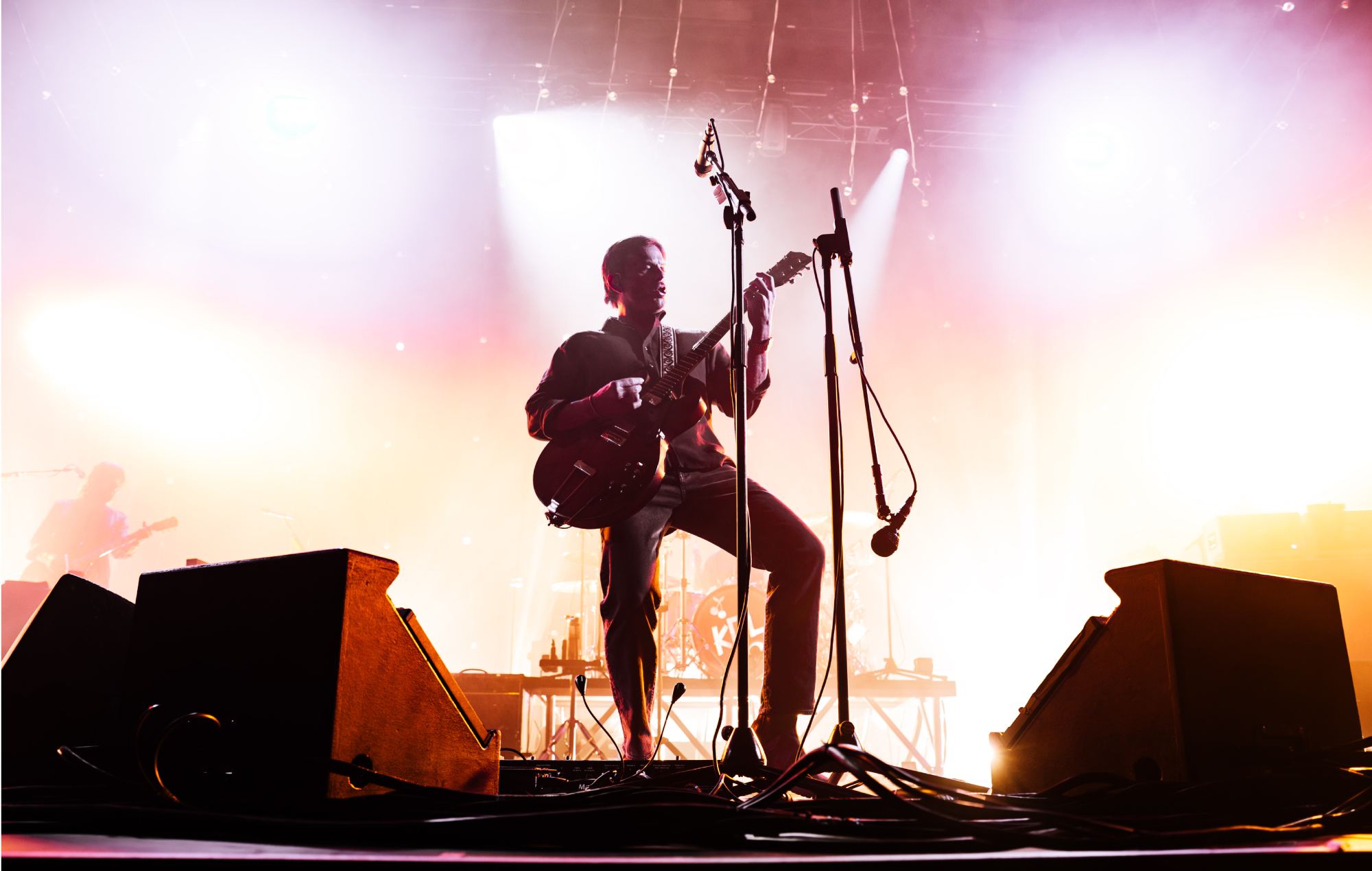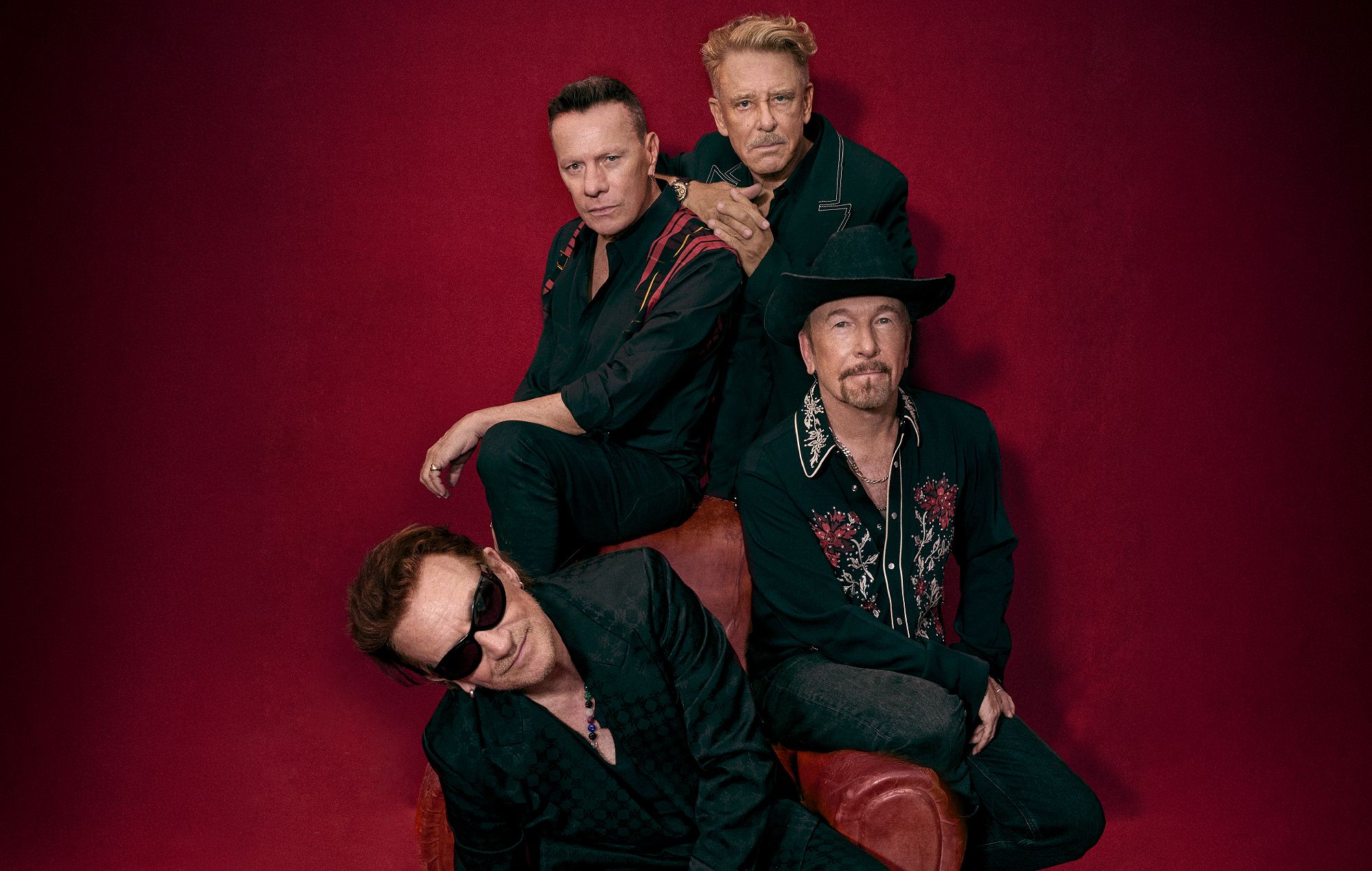
On Guy Fawkes Day inside a London hotel, Bono and The Edge were not acting like veterans quietly basking in a golden jubilee. Fifty years as a working unit is an absurd number for any rock band, yet the conversation around their sixteenth studio LP, Carnaval de Luz, kept drifting toward the artists currently working the clubs and festival circuits. Hearing modern acts such as Fontaines D.C., Rosalía, and Lambrini Girls makes resting on legacy impossible. To hear the guitar player and singer tell it, the creative hunger of those younger names is what keeps them honest, forcing them to treat making music as a demand rather than an anniversary routine.
The launch cycle for the record has already balanced that restless forward push with nods to their foundational past. Before the album arrived, the group had worked their way through fiftieth anniversary homecoming dates in Dublin, followed by a BBC performance captured inside the South Tank at London's Tate Modern. That setting placed the band right in the middle of a 360-degree installation of Brian Eno's 77 Million Paintings. It was a visual reminder of a relationship that shifted their creative trajectory four decades back. During the 1984 sessions for The Unforgettable Fire, Eno had pushed the four musicians to pull their arrangements apart, accept the things they lacked the technique to play, and construct songs from ground level. Eno returns as a contributor on Carnaval de Luz, with Jacknife Lee handling production duties across the project.
Sitting with a glass of Bushmills Black Bush whiskey, the drink his late father favored, Bono brought up a calypso recording that bassist Adam Clayton had presented to the group. It was The Slave by the Trinidadian singer Mighty Sparrow, a piece of music that helped unlock the wider thematic frame for the record. The Edge and Bono both trace their fascination with street celebration across years of traveling through Gran Canaria, Nice, and Santa Cruz. One memorable night in particular, guided by Quincy Jones, concluded with the members of U2 finding themselves pulled onto an active, moving parade float amid the local crowds.
The fascination with carnival is not a recent detour. The Edge remembered making an early pitch back in 1991 to call Achtung Baby by the name Carnalville instead. Growing up under the strict eye of the Irish Catholic Church, he noted with a dry laugh, meant being cheated out of authentic carnival rites and getting handed pancakes instead. Beyond the humor, Bono points toward the deeper social dynamic woven into these public rituals. Street festivals have historically served as subversive occasions where ordinary citizens could mock aristocracy, parody the ruling classes, and overturn rigid hierarchies without consequence. Authoritarian regimes have spent centuries trying to suppress those celebrations, driven by an instinctive suspicion of uncontrolled joy and large groups laughing in the streets.
That irreverence feeds directly into the four adjectives the band use to describe the recorded output on Carnaval de Luz: messy, sacred, luminescent, and unreasonable. Its lead single, The Greatest Show On Earth, sets the groundwork for their upcoming stadium tour next year. The title carries an old visual ghost from their touring history, lifting from a backdrop Bono first spotted during a Zoo TV tour stop in Miami in 1992. As they prepare to haul their stage show across global stadiums once again, the band see the arena format as a meeting point between commercial show business and old shamanic ritual, determined that half a century of shared history will not become a comfortable resting place.