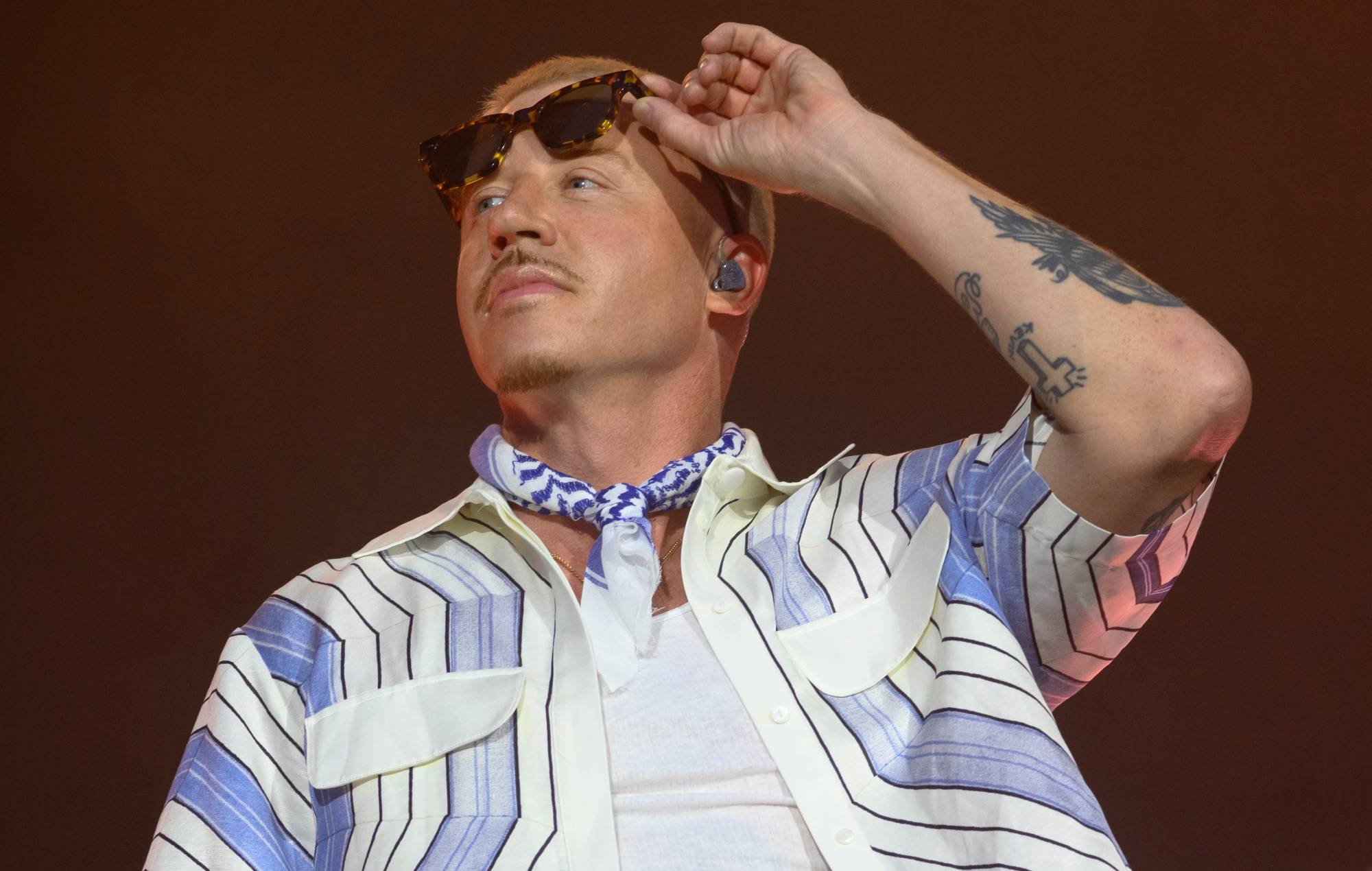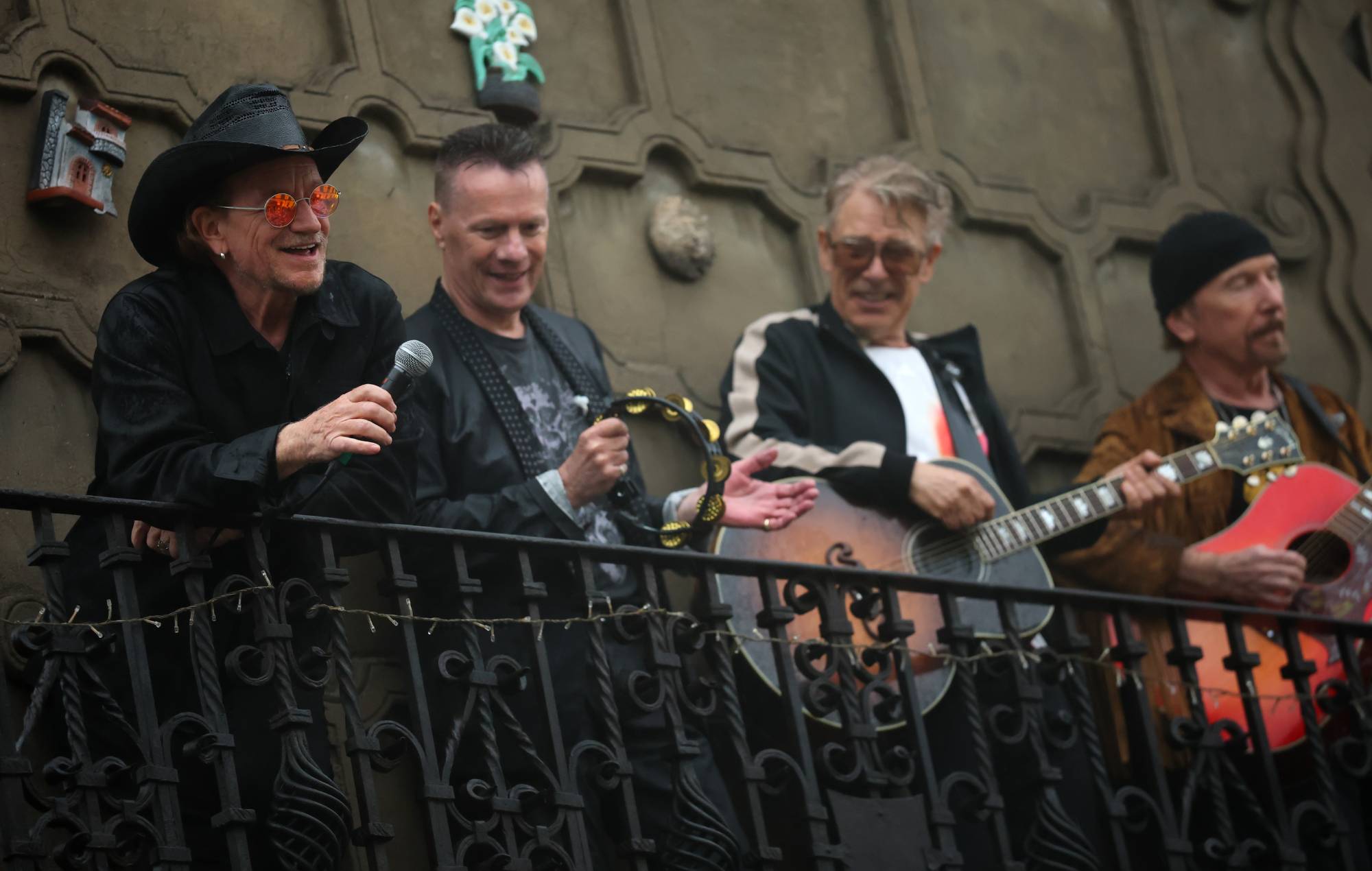
Live music on a stadium scale rarely manages to stay separated from politics for long, especially when corporate interests own the buildings. U2 have entered the argument over Macklemore being dropped from Ed Sheeran's recent stadium dates, aiming their thoughts squarely at the venue owners and promoters holding the purse strings. From the perspective of the veteran Dublin band, artists have every right to decide their own level of political involvement, but wealthy arena operators have overstepped by attempting to dictate what can and cannot be uttered on a platform.
The Edge offered an open defense of Macklemore, arguing that the Seattle rapper was entirely within his rights to address audiences from the stage. At the same time, the guitarist made space for Sheeran, noting that the headliner was caught in an awkward, compromised spot and did not deserve to be turned into the story's villain. For The Edge, the most commendable reaction came from the supporting acts and touring musicians who chose to pack up their gear and walk away from the tour in protest. Drummer Larry Mullen Jr. was more pointed in his assessment of corporate interference. According to Mullen, deciding to speak on politics remains an essential human right. He argued that provided speech does not incite violence, no billionaire, promoter, or venue executive holds the legitimate power to silence a musician, adding that nobody would ever succeed in muzzling U2.
The dispute began in September during Sheeran's American Loop Tour. While playing two dates at MetLife Stadium in New Jersey, Macklemore used his opening slot to speak up for Palestinian safety in the West Bank and Gaza, led the crowd in chants of "Free Palestine", and performed his topical single "Hind's Hall". The appearance prompted quick blowback from the Israeli-American Council as well as billionaire sports magnate Robert Kraft, whose business portfolio includes the New England Patriots and Gillette Stadium in Massachusetts. With Kraft raising objections to Macklemore appearing on upcoming dates at his venue, tour promoters moved swiftly, dropping the rapper from the remainder of the itinerary.
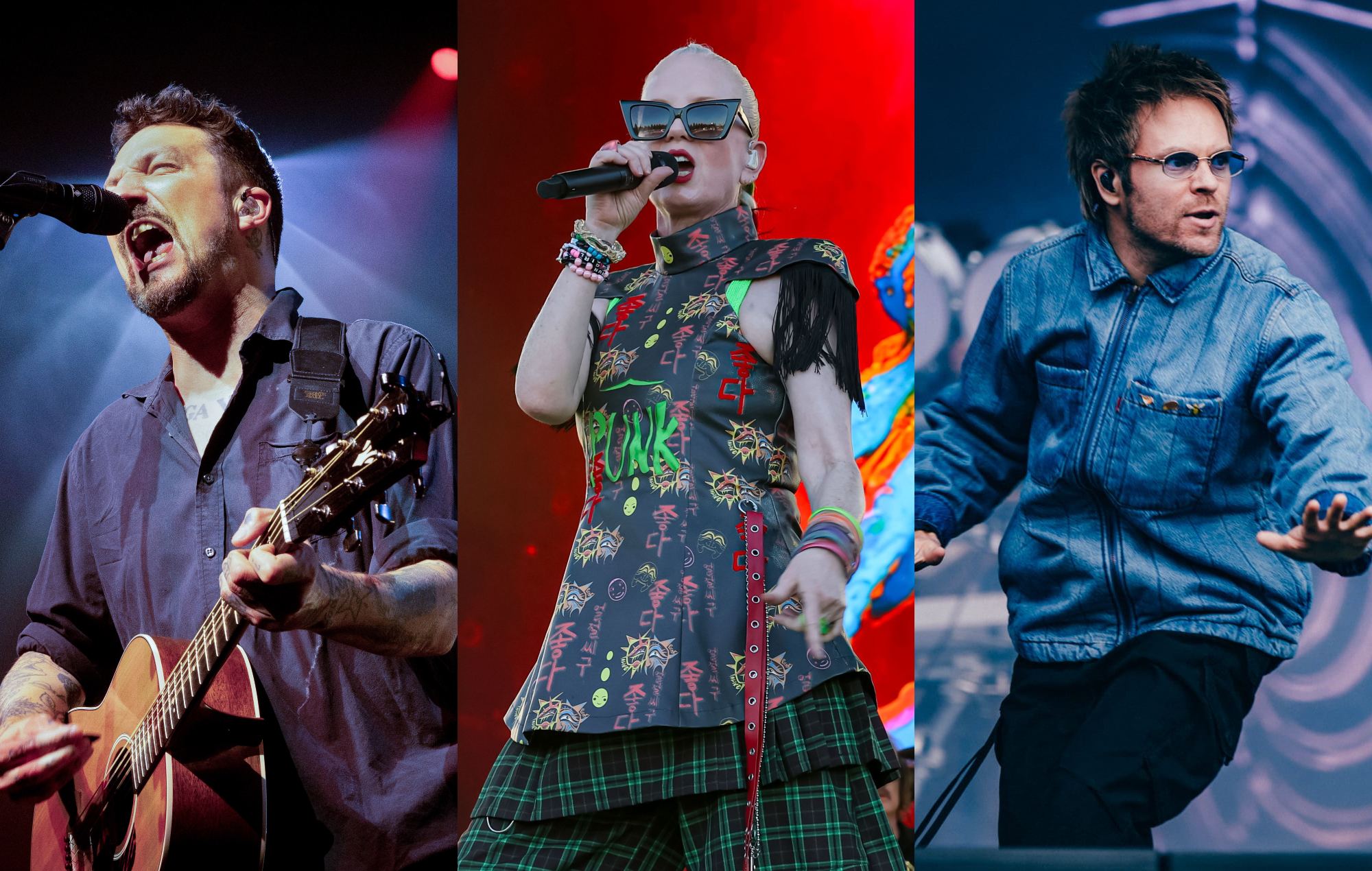
The decision created an immediate rupture through the rest of the touring party. Backing musicians from Sheeran's own live group resigned in solidarity, accompanied by fellow opening acts Finneas, Lukas Graham, and Beoga, who all exited the lineup. Sheeran subsequently distanced himself from the promoter decision, explaining that he viewed his stadium concerts as places of comfort and escape rather than stages for political arguments. That attitude aligned with observations Bono recently shared regarding his time working alongside Sheeran on their track "Yours Eternally". During their collaborative studio sessions, Bono recalled, Sheeran specifically asked whether the project would drag him into political territory, making it plain that he wanted his career kept clear of such disputes.
Cut from the American run, Macklemore shifted his efforts across the Atlantic. He organized three sold-out benefit performances in Dublin, Paris, and London, sharing those stages with guests including Hozier, Belfast trio Kneecap, Aurora, Paloma Faith, and climate activist Greta Thunberg. The shows raised money for organizations delivering relief to Palestinians. Replicating that effort at home, however, hit a wall. Macklemore revealed that nine major arenas in the United States turned down requests to hold benefit concerts, with operators dropping bookings once they learned the nature of the cause.
For touring acts working within commercial stadium ecosystems, the row reveals how narrow the margin for speech can become once private venue operators push back. U2 will soon navigate those dynamics once again as their sixteenth studio album, Carnaval De Luz, arrives on November 13, setting the stage for their planned return to the touring circuit in 2027.