British television audiences still tune in by the millions every spring to watch Eurovision, but the ritual at the scoreboard has grown increasingly bleak. Another near bottom finish has now prompted Westminster to intervene. Members of Parliament are preparing to scrutinize the BBC and its internal selection methods, asking why a country with such an influential music industry repeatedly finds itself stranded at the foot of the continental leaderboard.
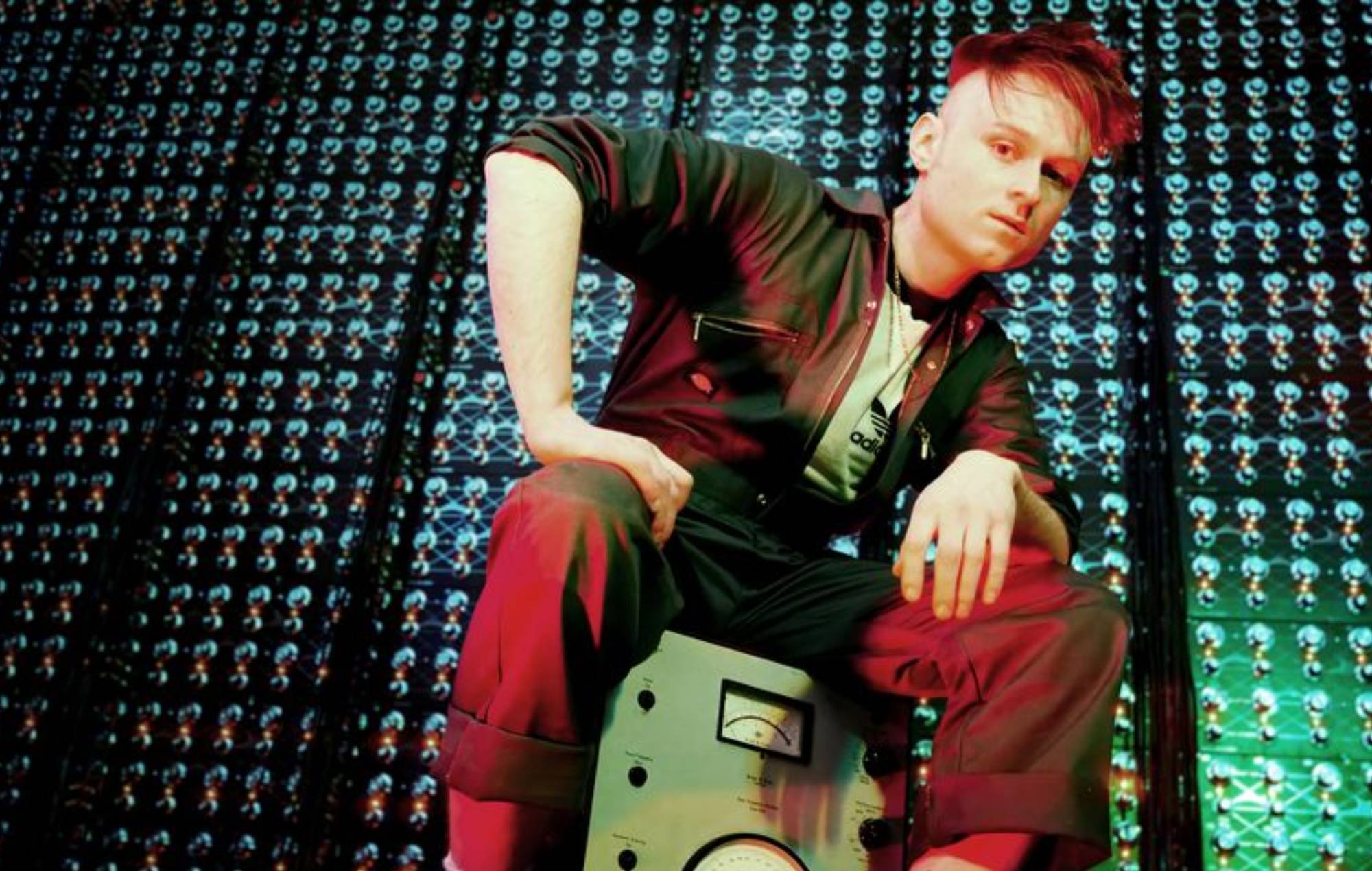
The catalyst for the inquiry is the 2026 contest, where electronic artist Sam Battle, performing under the name Look Mum No Computer, ended the night in twenty fifth place. Battle picked up a single point from the international juries and was completely shut out by the public vote. That total blank was not an isolated incident. It marked the third consecutive year in which the British entry received nul points from the viewing audience, matching the zero point tallies handed to Remember Monday in 2025 and Olly Alexander in 2024. Before that run of public dismissals, Mae Muller finished second from the bottom in 2023, and James Newman came dead last two years prior to her appearance.
That steady sequence of poor finishes has caught the attention of the Digital, Culture, Media and Sport committee. Taking up the issue through its State of Play inquiry, a procedure that allows members of the public to suggest topics for parliamentary examination, cross party lawmakers will spend the coming months gathering evidence from BBC executives and specialists across the music sector. Caroline Dinenage, who chairs the committee, pointed out the obvious gap between domestic talent and international output, observing that the UK produces world class musicians and songwriters while consistently recording miserable results on the Eurovision stage. The committee intends to inspect who makes the final choice, what standards are applied, and whether the poor showings come down to staging, song selection, or wider strategic failures, before issuing a short report with formal recommendations for the broadcaster.
At the heart of the issue is the BBC's habit of deciding entries behind closed doors. The general public has had no say in choosing the British entrant since 2019, when the televised selection programme Eurovision: You Decide picked Michael Rice, who ultimately finished last in Tel Aviv. Since then, the broadcaster has handled the process privately, occasionally partnering with management firms and record labels to choose a singer and a song away from public view.
That private process has paid off only once in modern memory. In 2022, Sam Ryder took second place with Space Man, securing the country its strongest showing since 1998 and its only top fifteen finish of the modern era. Ryder was brought in through a partnership between the BBC and the management and publishing company TaP Music. Reflecting on that campaign, TaP co-founder Ben Mawson dismissed the familiar domestic excuse that Eurovision voting is purely an exercise in European geopolitics. Mawson argued instead that British cynicism had bred a casual attitude toward the event, insisting that true competitiveness requires taking the specific craft of Eurovision songwriting seriously.
The upcoming parliamentary scrutiny arrives at an uncomfortable anniversary. The 2027 competition will take place in Burgas, Bulgaria, marking thirty years since Katrina And The Waves last won the event for the UK with Love Shine A Light. While British officials inspect their own artistic dry spell, the contest itself remains fractured by broader international disputes. Irish national broadcaster RTE has announced that it will neither enter nor broadcast the 2027 contest, extending a boycott that began in 2026. Ireland sat out that event alongside Spain, Iceland, the Netherlands, and Slovenia over the decision to allow Israel to compete. With RTE confirming its continued absence for 2027, the contest faces ongoing European division even as British politicians attempt to figure out why their own acts keep falling flat.