A quick look at the headline figures suggests that British music has never had it better. According to the This Is Music 2026 economic study released by UK Music, the sector generated a record £8.4 billion for the national economy last year, up 5.7 percent from the £8 billion reported in 2024. That performance helped keep the UK in its familiar spot as the second largest exporter of recorded music on the planet, trailing only the United States. Yet underneath that celebratory total, the reality is far more fragile. Growth is losing steam rapidly, and the windfall remains bundled up almost entirely at the very top of the ladder.
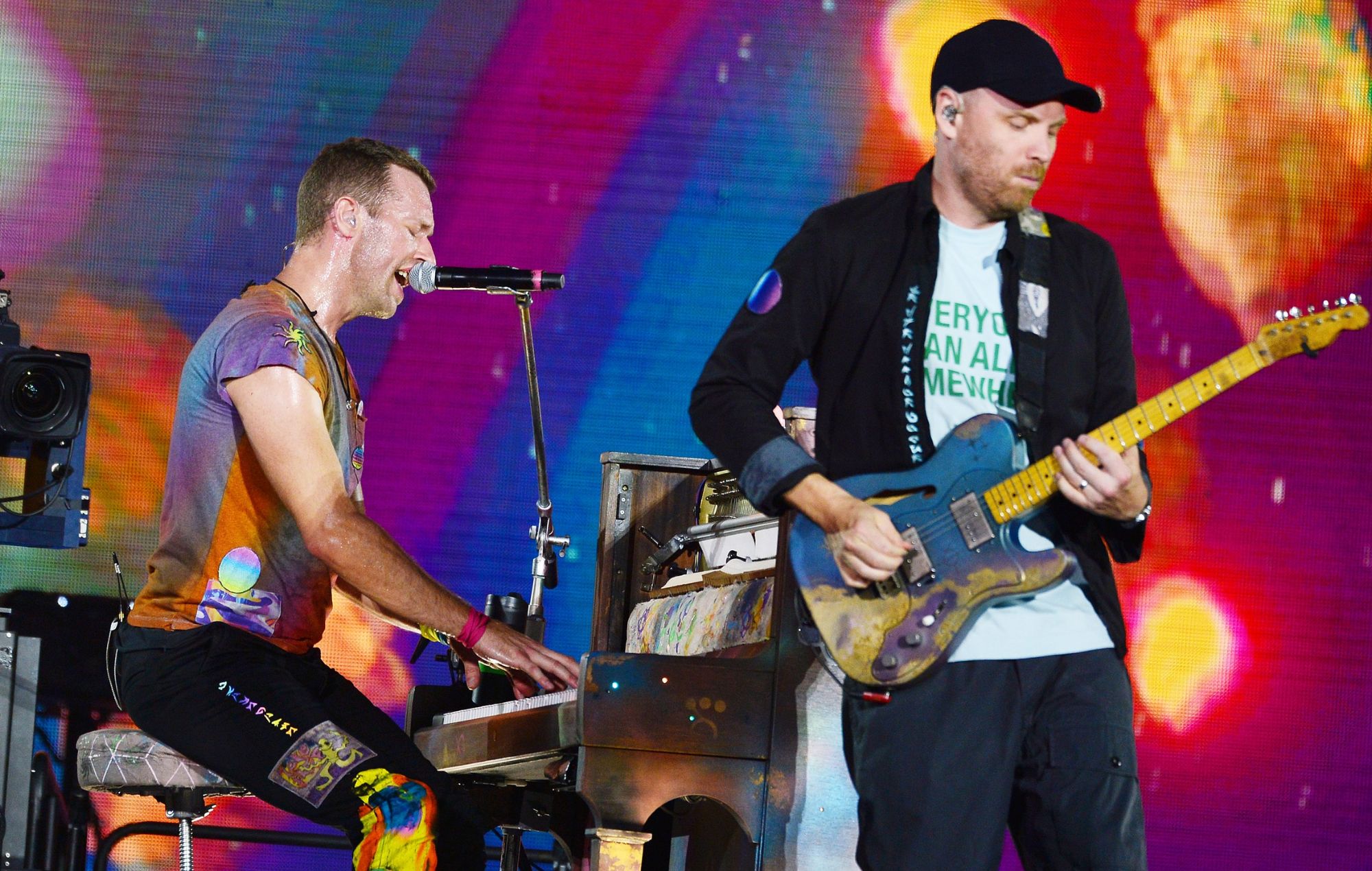
Massive live itineraries carried most of the weight. The Oasis Live 25 reunion tour led an arena and stadium calendar that featured huge runs from Coldplay, Dua Lipa, Sam Fender, and Robbie Williams. Emerging artists including Myles Smith, Olivia Dean, and Lola Young maintained steady public interest, while chart toppers from Sleep Token, Wet Leg, Yungblud, and Biffy Clyro delivered commercial fuel. British acts also broke new ground across the Atlantic. Sleep Token went to number one on the American album chart with Even In Arcadia, while Central Cee earned the first top ten rap record by a British artist in the US. Mercury Prize winner RAYE, PinkPantheress, and Sienna Spiro each logged significant commercial strides abroad as well.
Those international triumphs helped total export earnings reach £5 billion in 2025, up from £4.8 billion two years earlier, while recorded music exports moved from £794 million to £800 million. Still, wider indicators reveal an industry running low on forward momentum. A 5.7 percent annual lift marks a sharp drop from the 13 percent surge seen between 2022 and 2023. Employment numbers show similar signs of grinding to a halt, shifting only marginally from 219,770 jobs in 2024 to 220,500 in 2025.
Away from packed stadiums, the foundation of the scene is fracturing. Last year, 84 percent of independent British artists could not afford to tour. Grassroots spaces are enduring the same strain, with more than half operating at a loss. Those deficits led directly to the elimination of more than 6,000 jobs. With independent stages folding, regional touring routes are falling apart, leaving roughly 35 million people without local access to live music. The consequences for young talent are stark, with an estimated 1.5 million young people having surrendered their ambitions of establishing a career in music.
The hurdles keeping artists at home show no sign of easing. Alongside domestic inflation, the administrative red tape tied to post Brexit border crossings continues to hinder European tours. Cross channel travel expenses have climbed high enough to sideline established, respected figures such as Jamie T, cutting off vital performance revenue on the continent. At the same time, ongoing worries regarding artificial intelligence exploiting artists creative rights have added another layer of instability to an already brutal environment.
Responding to the findings, UK Music Chief Executive Tom Kiehl celebrated the figures as a cultural victory while demanding political intervention, pointing directly to the UK and EU summit scheduled for November 20. Kiehl pressed the government to remove export barriers, safeguard musicians against unlicensed artificial intelligence, guarantee reliable public funding for the BBC, and invest in music infrastructure across every postal code. Featured Artists Coalition Chief Executive David Martin echoed the warning, observing that while the top line results demonstrate world class artistry, momentum is slipping and the wealth being generated is not reaching the grassroots.
Without policy reforms and direct financial support for independent stages and working acts, the breeding ground that produced Britain's current arena headliners will simply cease to exist.