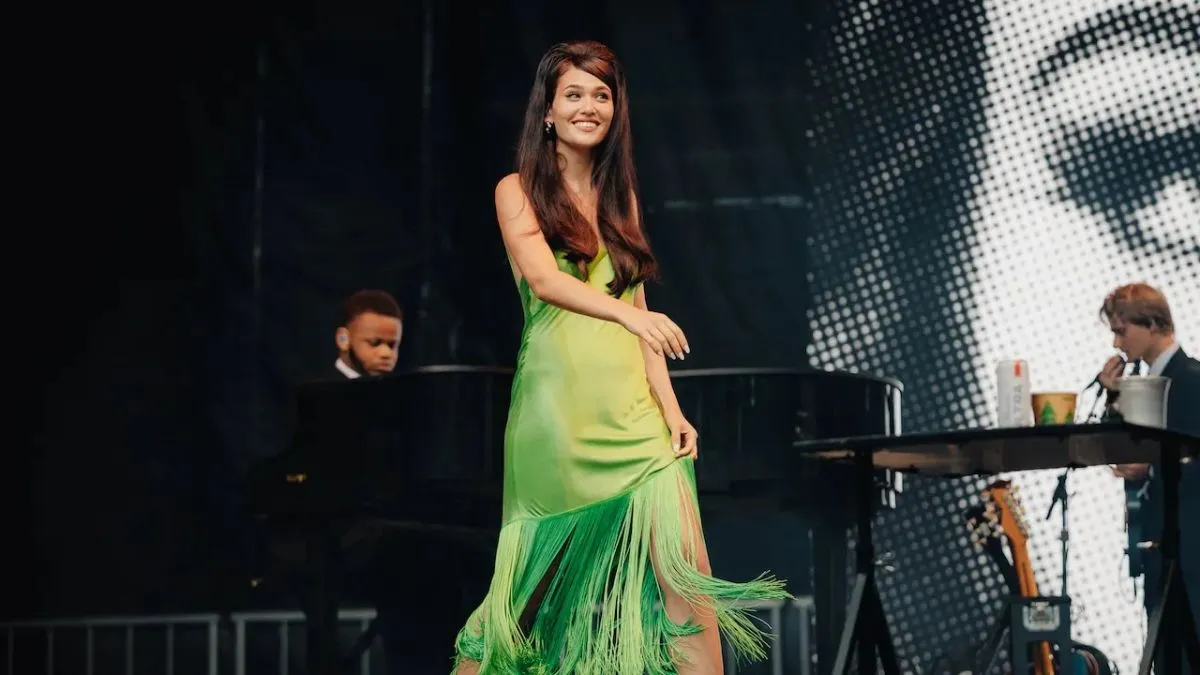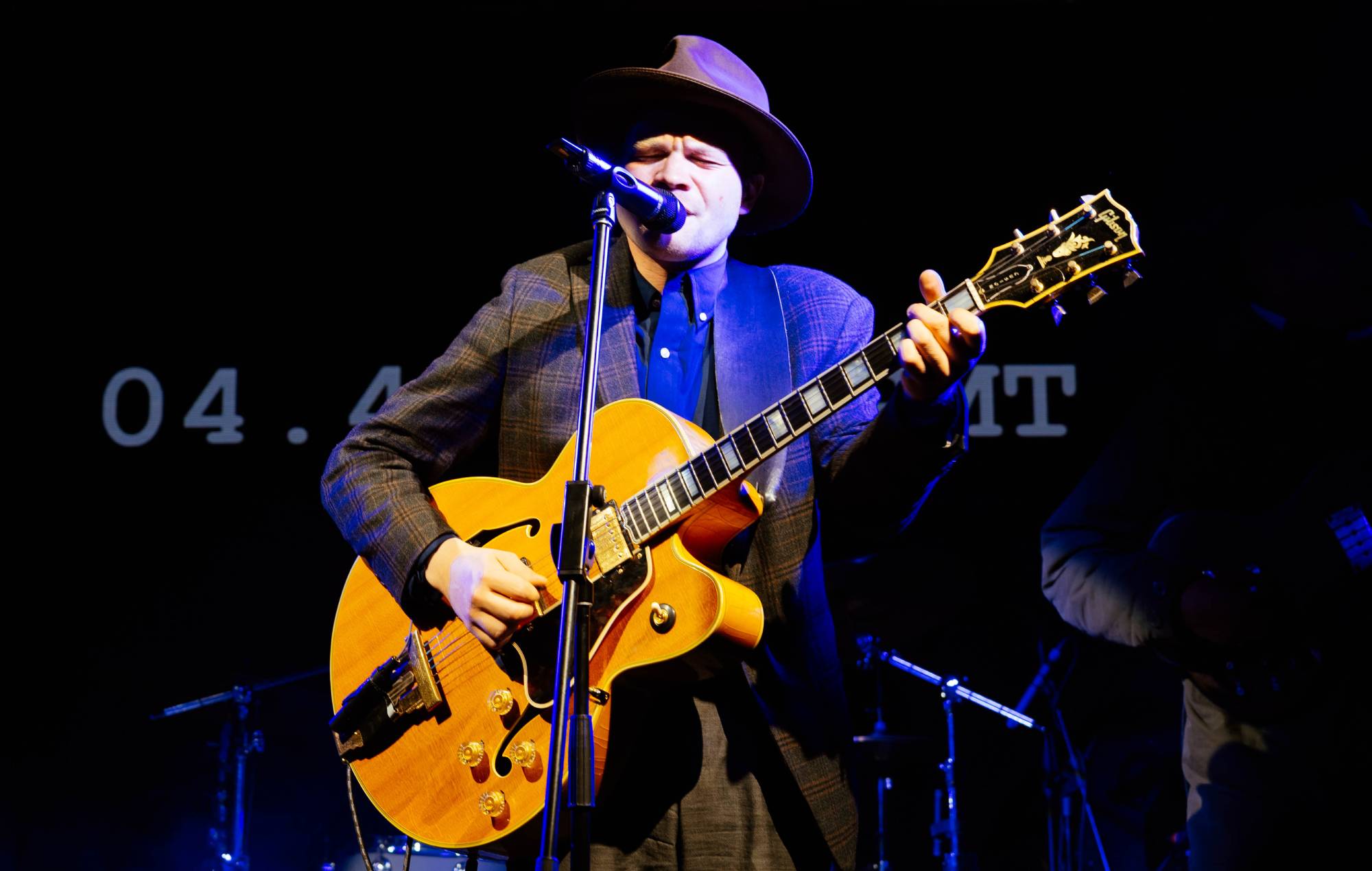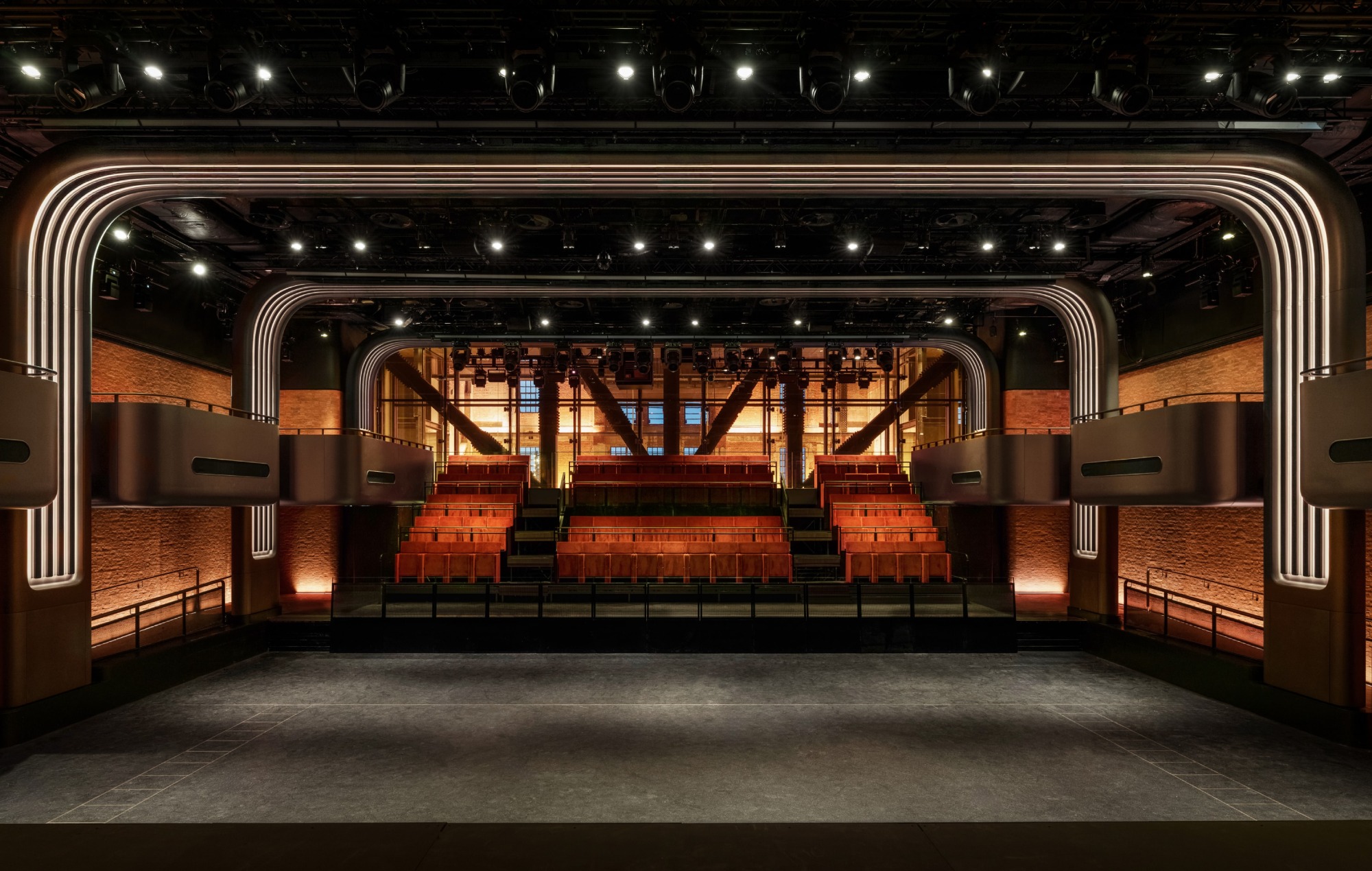
Battersea Power Station has taken on plenty of new identities since its industrial decommissioning, but its newest resident belongs entirely to live performance. Apple has pulled back the curtain on Apple Music Hall, an intimate performance room built directly inside the south-west London structure. With space for just 600 people, the hall focuses on physical proximity between audience and artist, pairing the close-quarters feel of a club gig with broadcast technology typically reserved for major television tapings.
The room is designed around flexibility. Performers work across a 38-foot-wide stage that can be configured depending on the requirements of the set, shifting from a conventional front-facing stage into an in-the-round presentation where the audience gathers on all sides. Instead of relying on a standard stereo front-of-house rig, the hall uses an array of 48 spatial speakers mounted throughout the room. This system is tailored for three-dimensional audio playback, offering an acoustic environment built specifically for spatial sound rather than simply pushing loud volume toward the back wall.
Beyond the live floor, the venue operates as an active production and recording center. Two dedicated recording and mixing studios sit directly on site, wired to track performances live across individual channels and generate Spatial Audio mixes immediately. Visual production is handled with equal weight. The space is wired for 16 or more cameras running back to an on-site broadcast control room. In an unusual technical choice, the camera setup blends standard professional broadcast units with iPhone video feeds, weaving mobile hardware directly into the facility's master visual workflow.
That infrastructure is set up to remove the usual delay between a live set and its commercial release. Instead of spending weeks in external post-production suites, an artist can finish a set at Battersea and walk away with a completed Spatial Audio release, a broadcast-ready audio mix, and a fully edited multicamera video recording. In addition to captured releases, the venue will host real-time global livestreams, carrying exclusive performances out of the 600-capacity space to listeners across the world as they happen.
Executives and station talent have framed the hall as a bridge between small-room energy and global distribution. Oliver Schusser, vice president of Apple Music and International Content, noted that the opening represents another step in backing live music in ways custom to the streaming service. Zane Lowe, the platform's global creative director and anchor, pointed to the impact of capturing unique, personal shows in a specialized room and handing them directly to an international audience without losing the feeling of the room.
The venue also anchors a broader relocation of Apple's UK broadcasting operations. Along with the performance space, the company confirmed that all London-based Apple Music Radio shows and hosts are now broadcasting live from newly built studios within Battersea Power Station. By housing daily radio transmissions, full audio and video production facilities, and a dedicated 600-capacity gig space under one roof, the company has turned the riverside landmark into the primary working hub for its music platform in the UK.