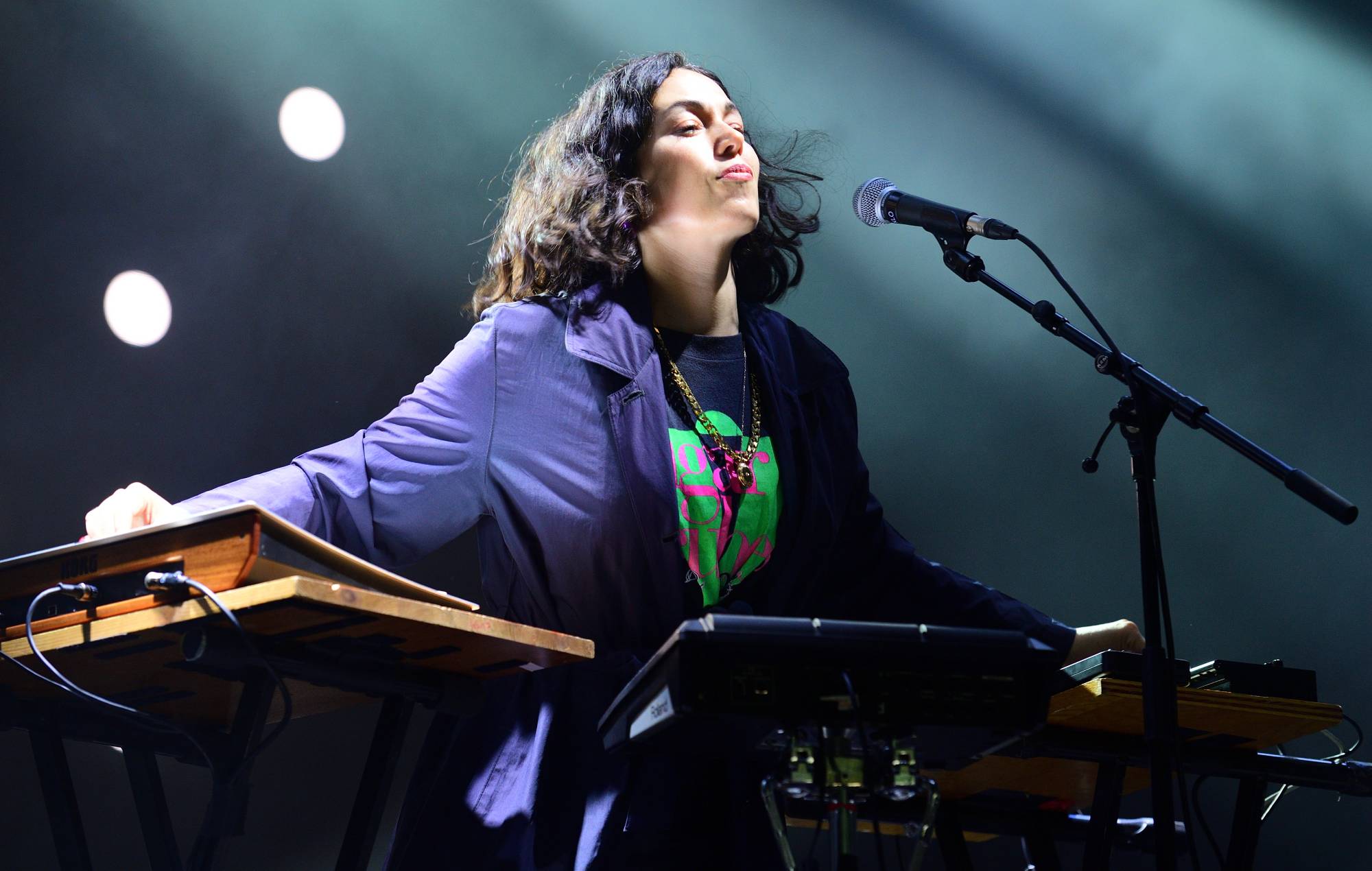
Touring routes across Britain have tightened considerably over recent years, with major live itineraries routinely bypassing areas outside a small cluster of dominant cities. When tours pass over smaller regions, the responsibility of keeping local performance alive falls entirely on independent community rooms. Producer and electronic musician Kelly Lee Owens is pushing back against that centralization, curating the inaugural edition of Hometown Meltdown at Neuadd Ogwen in Bethesda on December 12 and 13 to place North Wales at the center of the live music discussion.
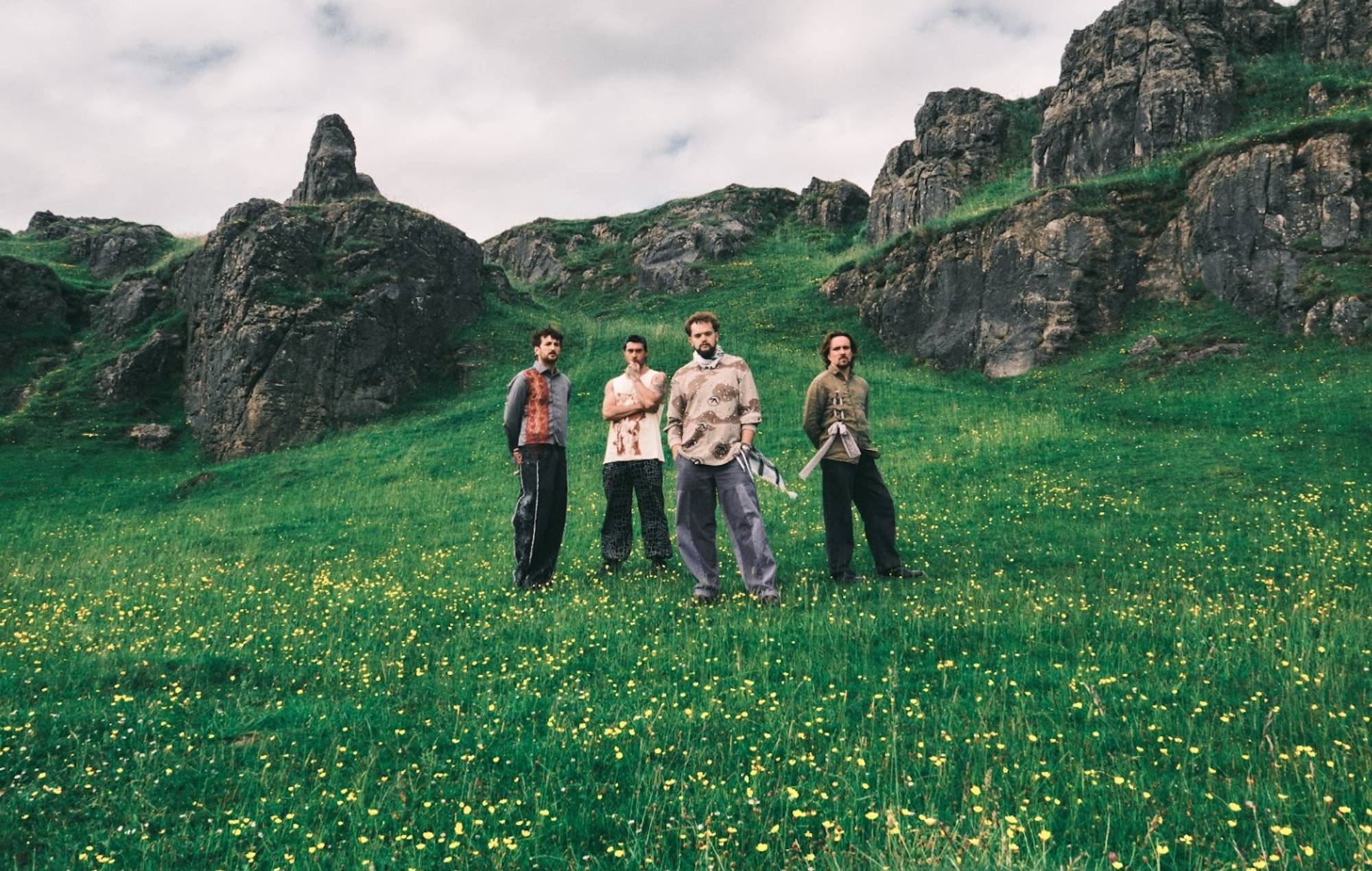
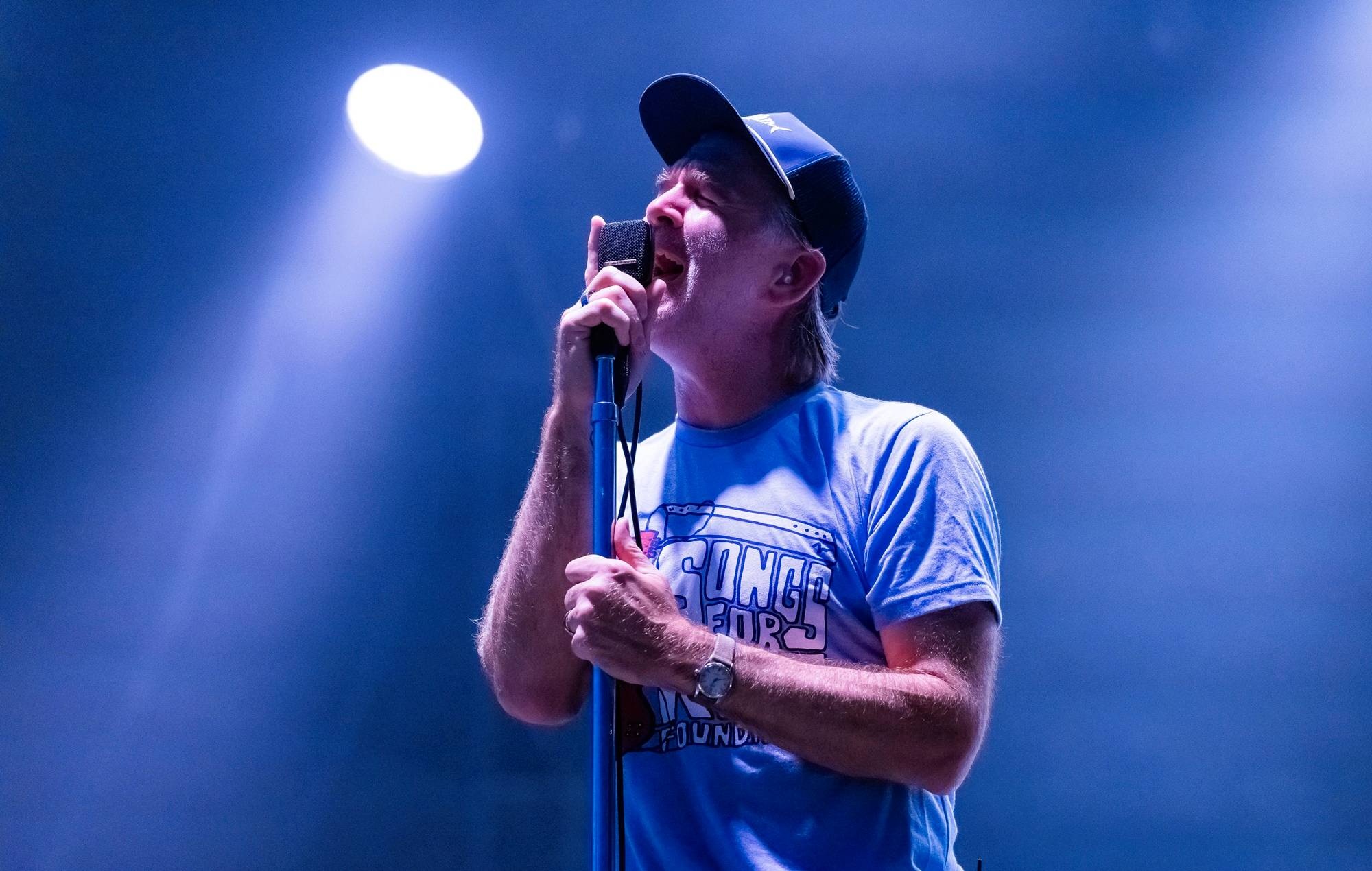
The weekend is a joint venture between London's Southbank Centre and the Music Venue Trust. The two organizations have adapted the artist-led model of the long-running London Meltdown festival, redirecting its focus toward regional rooms across the UK. Owens will play live sets across both evenings. Saturday sees her joined on stage by Tokomololo and Osgled, while Sunday includes a DJ set from Super Furry Animals frontman Gruff Rhys alongside performances from Casi, Høst, and Gwenno Morgan, bringing established Welsh figures and newer voices onto the same bill.
Setting the weekend in Bethesda is deeply rooted in Owens' personal background. Her creative perspective remains closely tied to her working-class upbringing, and she has spoken about coming from a resilient community that has weathered tough economic conditions. When introducing the event, Owens pointed directly to the concentration of artistic skill and momentum in North Wales as her core reason for focusing national attention on the area.
Neuadd Ogwen occupies a vital role within that regional network. Abbie Jones of the venue explained that independent spaces of this size act as essential social anchors that go far beyond selling tickets. By staging concerts directly within the local community, the hall provides a working platform for Welsh-speaking artists and actively champions the Welsh language, giving it space to thrive in a contemporary live setting rather than being treated purely as an archival concern.
That cultural mission operates against acute industry difficulties. Data gathered by the Music Venue Trust shows that 59.3 percent of grassroots music venues were left off major tour itineraries in 2025. Over the course of that same year, more than half of the country's small performance spaces failed to turn a profit, resulting in the loss of over 6,000 jobs across the sector. Owens has been vocal about these structural problems, arguing that ticketing agencies, promoters, and booking agents must route financial gains back down to the grassroots level. She previously cited Depeche Mode moving synthesizers on public transit to play backrooms, noting that the broader industry cannot expect to develop generation-defining bands if early stepping stones no longer exist.
Bethesda marks only the start of the initiative. Between December and March 2027, Hometown Meltdown will stage six separate two-day events led by artists with deep ties to their chosen communities. Stewart Lee will oversee an edition in Falmouth in January, followed by weekends featuring Kathryn Joseph in Dundee, Jamie Cullum in Southend, Pauline Black in Nottingham, and Rhoda Dakar in Sheffield. These regional gatherings will run alongside the flagship Meltdown at the Southbank Centre, which FKA Twigs will curate in London next June.
Following her fourth album Dreamstate and last year's Kelly EP, Owens' choice to anchor this project in North Wales illustrates how physical infrastructure and regional identity sustain creative work. Without small stages willing to support artists early on, the wider live circuit risks dismantling the very environment where original music takes shape.