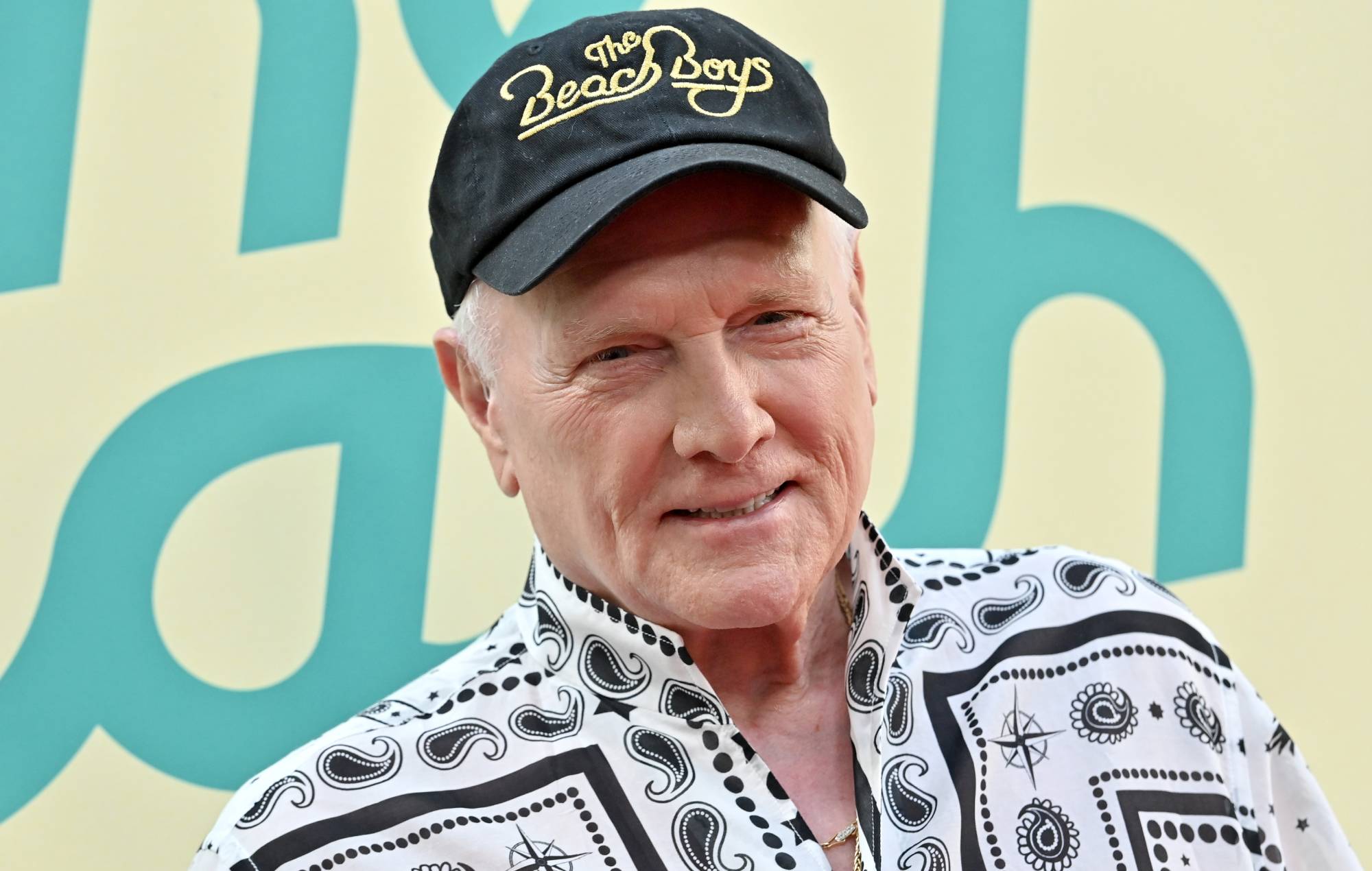
Mike Love, the co-founder and lead singer whose voice and lyricism helped define The Beach Boys and establish the musical myth of mid-century California, has died at 85. He passed away on November 28 while surrounded by family, according to a statement from his representative, Katie Altman. Altman did not disclose a cause of death, but she remembered Love as an influential figure who dedicated his life to the stage and whose work provided a lasting touchstone for generations of listeners.
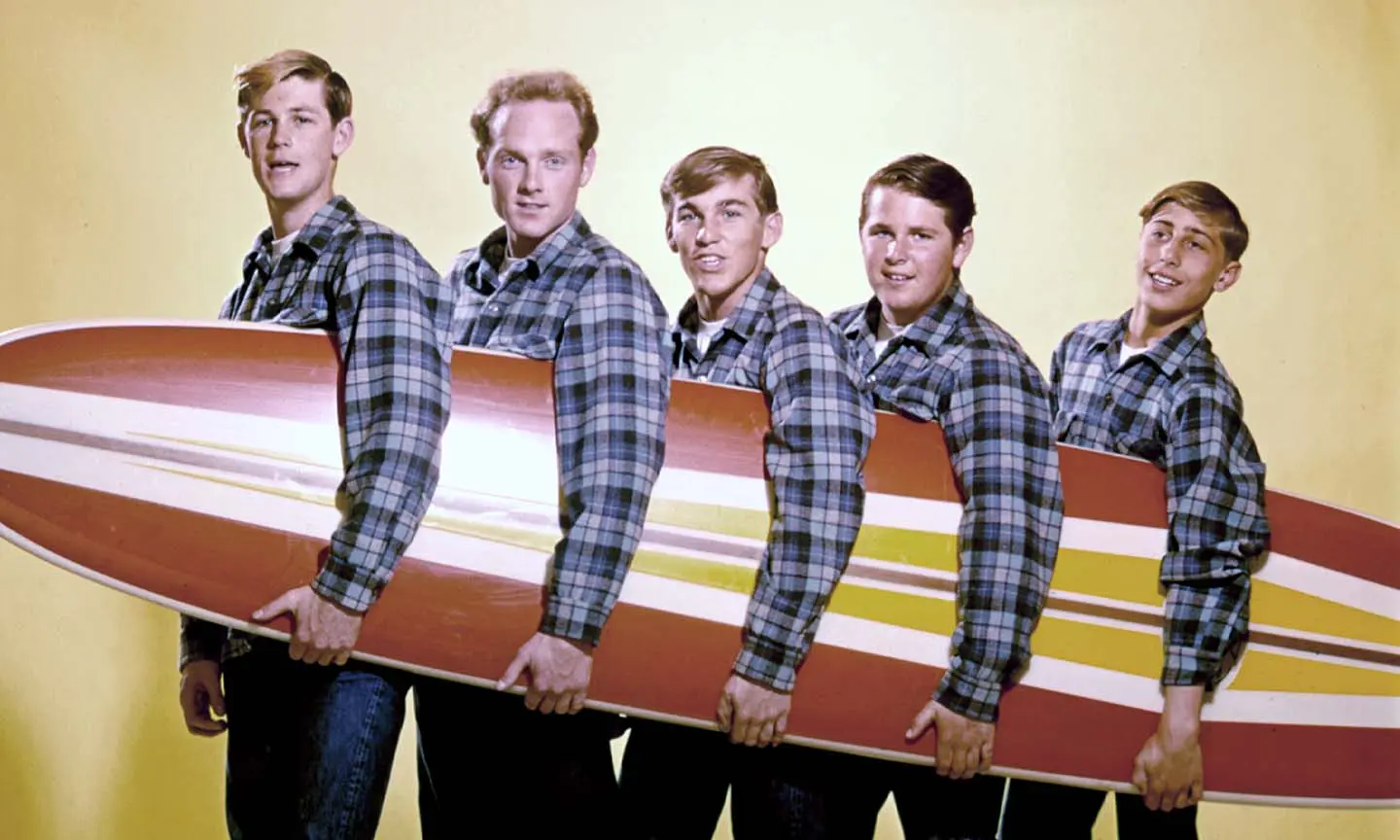
Born in Los Angeles in March 1941, Love started the group in 1961 alongside his cousins Brian, Carl, and Dennis Wilson, together with family friend Al Jardine. That original quintet grew into one of the most commercially successful pop groups of the twentieth century, eventually selling more than 100 million records across the globe. From their 1961 debut single, Surfin', Love established a critical creative partnership with Brian Wilson. While Wilson handled the complex musical arrangements, Love supplied the words that shaped the public image of Southern California teenage culture. He took lead vocals on early staples such as Surfin' U.S.A., Little Deuce Coupe, I Get Around, and California Girls, while his low bass notes provided the essential anchor beneath the band's intricate vocal harmonies.
The group reached a creative and commercial high watermark in 1966 with Good Vibrations. Co-written by Love, the track reached Number One in both the United States and the United Kingdom. However, as Brian Wilson pursued increasingly elaborate productions on Pet Sounds and the subsequently shelved Smile sessions, frictions surfaced within the band. Love would spend decades contesting the common narrative that he stood in the way of Wilson's artistic growth. In 2016, Love publicly stated that he had never spoken a negative word about any of those landmark recordings.
The Beach Boys entered the Rock and Roll Hall of Fame in 1988, an induction that coincided with an unexpected late-career revival. That same year, the group landed their first American chart-topper in twenty-two years with Kokomo, another track co-written by Love. The later decades of his career were also shaped by disputes over publishing. In 1994, Love won a major legal action that restored his songwriting credits across dozens of Beach Boys songs, after demonstrating that the band's early manager and publisher, Murry Wilson, had denied him credit on work he co-authored during the sixties.
Following the death of Carl Wilson in 1998, Love acquired the exclusive licence to tour under The Beach Boys moniker. He spent the next three decades on the road alongside longtime bandmate Bruce Johnston. In 2012, the surviving original members put aside their differences for a fiftieth anniversary tour and a new studio album, That's Why God Made The Radio. The project quickly fractured once the tour concluded and Love resumed appearances with his separate touring ensemble, prompting Brian Wilson to state publicly that he felt as if he had been dismissed. Love maintained that their personal and creative connection remained intact, continuing to describe Wilson as his partner, cousin, and brother in music.
Tributes from collaborators and family highlighted the breadth of Love's presence in American pop history. Actor and musician John Stamos, who had performed with the group regularly since 1985, shared a painted portrait of Love and observed that the deeper the joy, the deeper the sorrow. Carnie Wilson, Brian's daughter, remarked that her father always treasured the songs he wrote alongside his cousin, describing Love as an icon who never stopped working. The official account for Brian Wilson remembered their collaboration by sharing the lyrics to The Warmth Of The Sun, the 1964 ballad written by Love and composed by Wilson.
Love served as the public frontman for The Beach Boys across the majority of their sixty-five-year run. Through his distinct nasal leads, his deep harmony parts, and words that permanently tied hot rods, surfing, and summer to American pop, Love remained a constant figure at the heart of the group's complicated legacy.