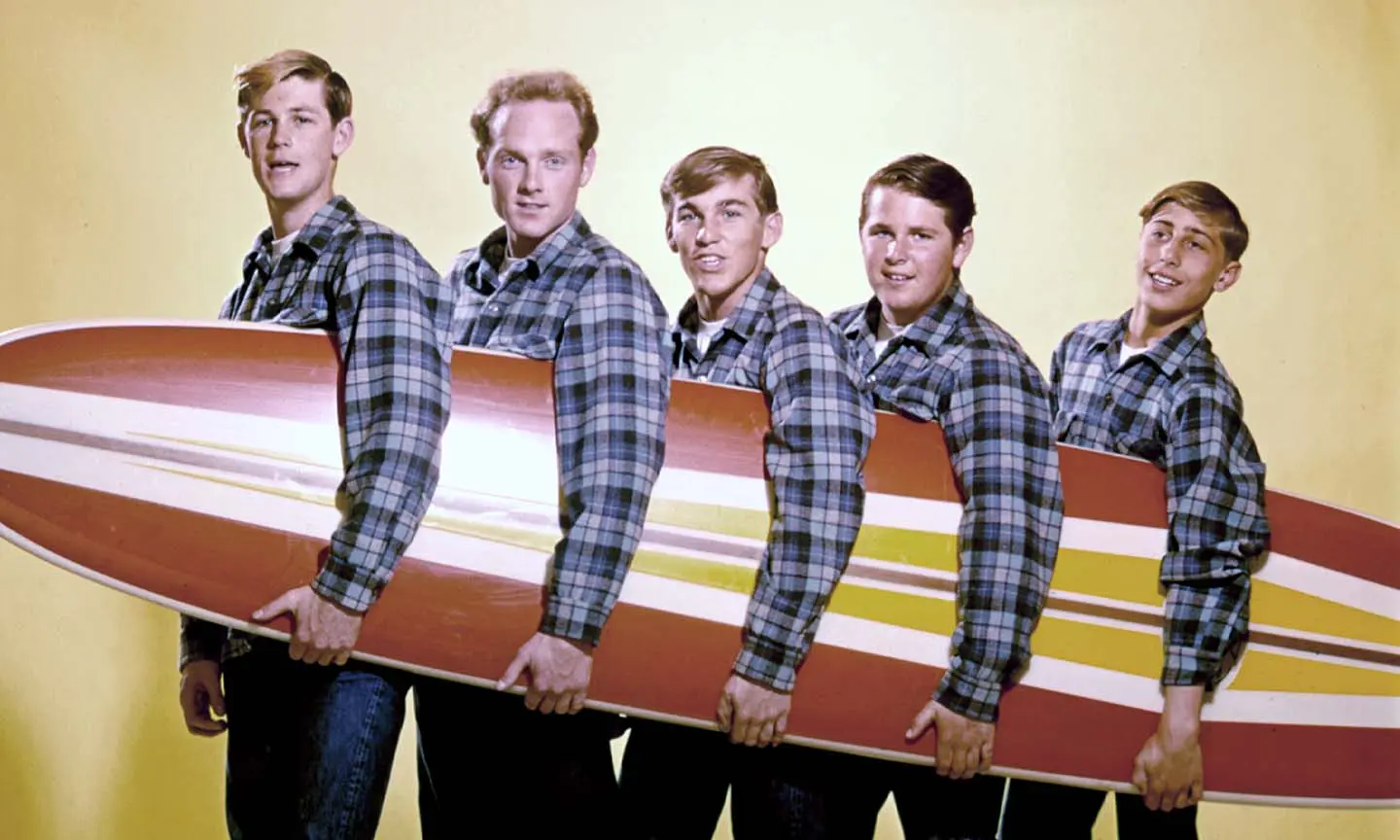
Assessments of the Beach Boys inevitably gravitate toward the musical imagination of Brian Wilson, and with good reason. Still, the particular myth of Southern California that took hold of the global imagination, full of sunlit days and warm coastal nights, was constructed in equal measure by his cousin Mike Love. Born on March 15, 1941, Love brought a conversational, observational clarity to the family band. His words tethered Brian Wilson's ambitious vocal arrangements and chord progressions directly to a concrete sense of time, location, and social reality.
Love took his fundamental cues from Chuck Berry. What impressed him most about Berry was the economy of his vignettes, which captured immediate surroundings and everyday life with crisp, visual precision. Love transplanted that narrative technique directly into the suburban neighborhoods of Southern California. When he sat down to pen words for early hits like Surfin' Safari, Surfin' USA, Fun, Fun, Fun, and I Get Around, he was not manufacturing a corporate fantasy. He was simply reporting on the real rituals, habits, and pastimes of the teenagers living right around him as he grew up.
That documentary instinct showed up on the group's 1962 debut album, Surfin' Safari. Love contributed lyrics to the title cut, Surfin', and 409. Together, those tracks established an enduring thematic triangle of coastal leisure, street racing, and adolescent romance. By the arrival of their third album, Surfer Girl, in 1963, Love had sharpened the focus. On Catch A Wave, he demystified an otherwise insular coastal pastime with straightforward, instructional imagery about paddling out, turning around, and sitting on top of the world. The sport suddenly felt accessible to listeners who had never seen the Pacific Ocean, whether they were listening to the radio in Pittsburgh or across the Atlantic in Peterborough. Later that same year, when Brian Wilson spent considerable studio time collaborating with lyricist Roger Christian on the Little Deuce Coupe album, it was still Love's lyric for Be True to Your School that cleanly captured the social hierarchies and fierce rivalries of American high school life.
By the time the band issued their fifth studio LP, Shut Down Vol. 2, Love's writing was expanding to match Brian's growing range. Fun, Fun, Fun offered an airtight comic narrative about a girl who borrows her father's Ford Thunderbird under the pretext of studying at the library, only to spend the afternoon cruising past the local hamburger stand. Love kept the song brisk and funny, memorable for the wry line that likened her aggressive driving to turning the Indy 500 into a Roman chariot race.
The same album contained work from the opposite end of the emotional spectrum. Wilson and Love started writing The Warmth of The Sun early in the morning on the day President John F. Kennedy was assassinated, returning to finish the piece later that afternoon as the magnitude of the national tragedy settled in. Love felt that the song's haunting, melancholy melody called for an honest story about unreciprocated interest and lost affection. Searching for a silver lining amid the grief of that day, he built the lyric around the idea that the emotional residue of a past relationship lingers on just like the warmth of the sun. Brian Wilson sang an extraordinary lead vocal, and the track became one of Love's personal favorites across the band's catalog.
Commercial momentum carried straight into All Summer Long, which delivered the Beach Boys their first top ten single in the United Kingdom with I Get Around. Love supplied words across the album, adding lyrics to Wendy, Little Honda, Don't Back Down, and the evocative title track, hitting every familiar touchstone of youth culture. Yet by 1965, the members were drifting toward their mid-twenties, and the subject matter had to shift. On The Beach Boys Today!, Wilson and Love offered more vulnerable, adult reflections. Through the rich arrangements of Please Let Me Wonder and Kiss Me Baby, paired with the open, anxious questioning of When I Grow Up (To Be A Man), Love helped chart the band's transition away from carefree summer afternoons and into the complicated realities of adult life.