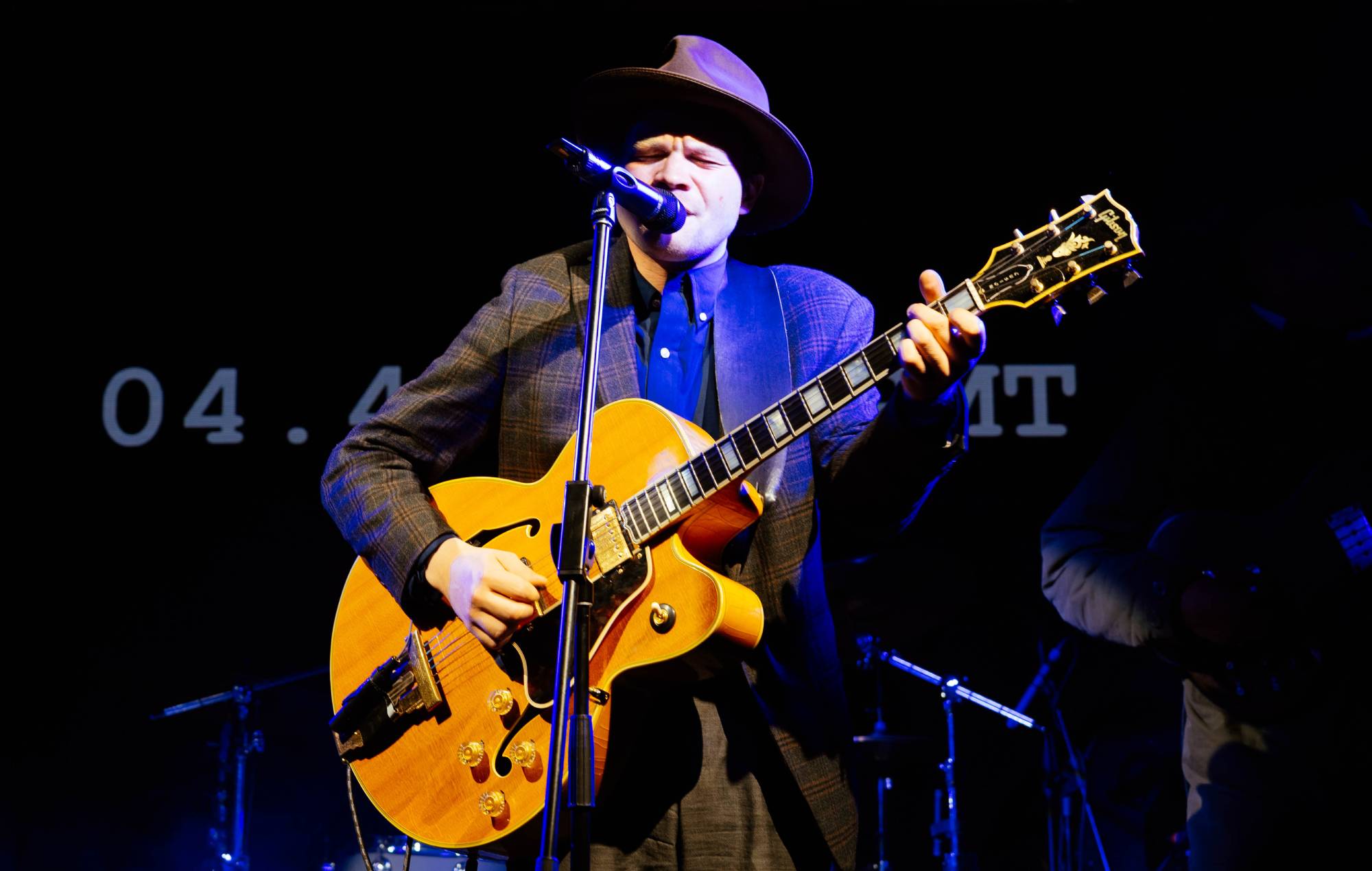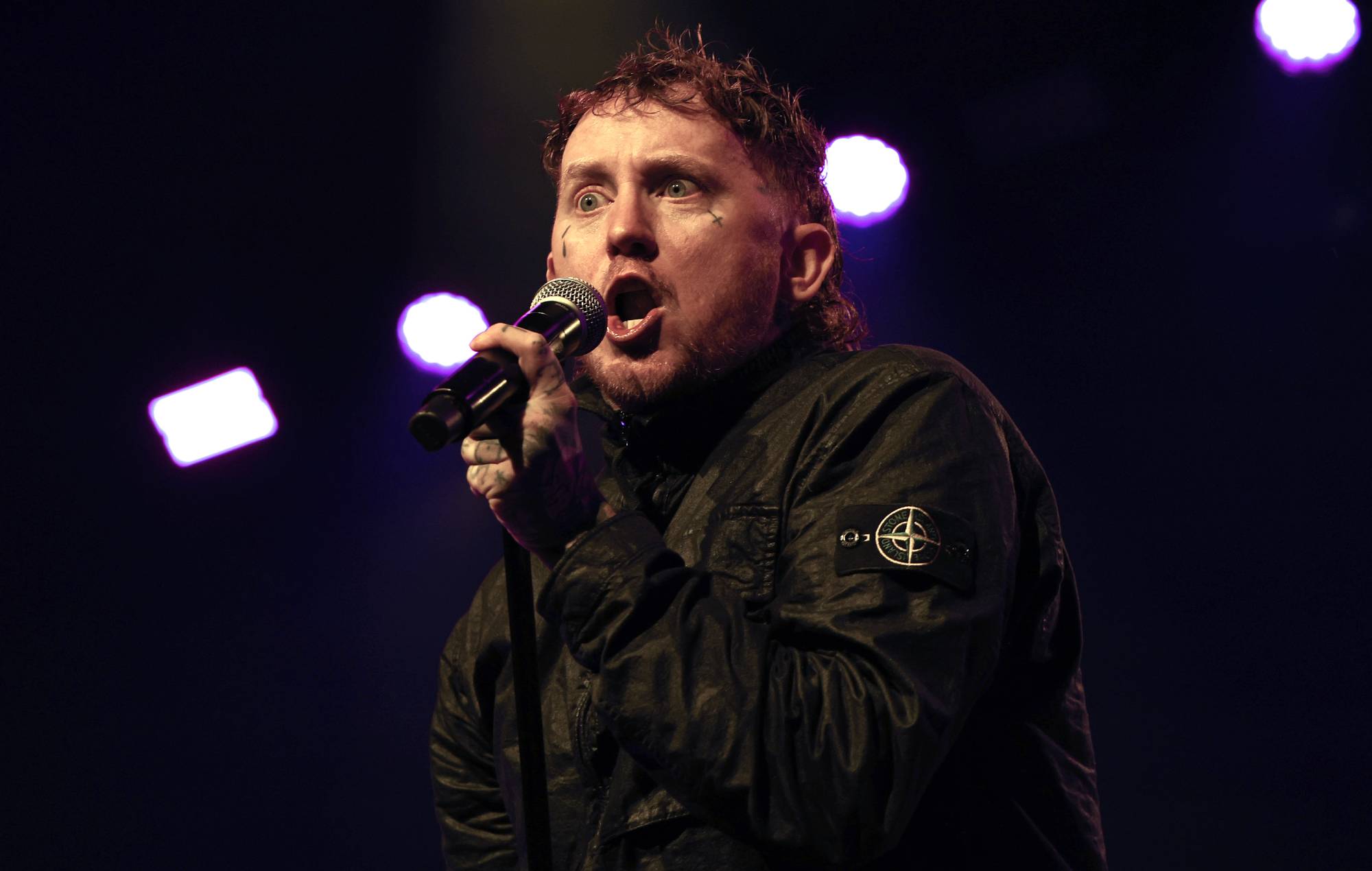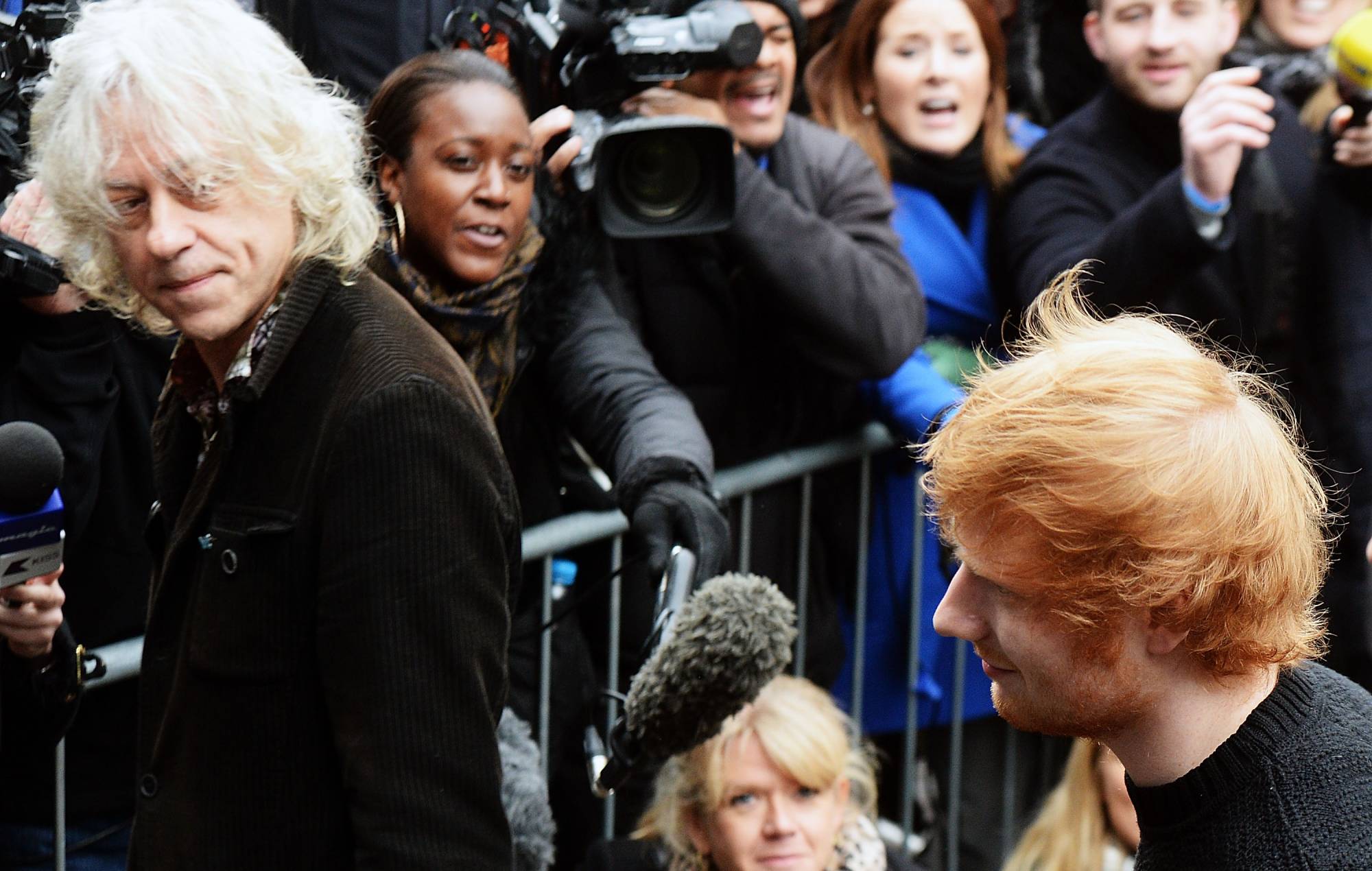
Bob Geldof has stepped into the debate surrounding Ed Sheeran's Loop tour, offering a defense of the headliner while reserving praise for Macklemore, who was removed from the lineup after making statements in support of Palestine. The fallout, which also saw other musicians walk away from the stadium dates, has raised uncomfortable questions about artist autonomy, corporate venue influence, and the expectations placed on arena performers. For Geldof, who has spent decades navigating the intersection of pop celebrity and international causes, the matter comes down to personal agency and how artists spend their public capital.
Geldof argued that performers maintain a fundamental right to manage their own voices, treating fame as a currency that can be spent or withheld entirely at an artist's discretion. Crucially, he pushed back against the widespread assertion that staying silent on a crisis is an active political endorsement. To make his case, he brought up The Rolling Stones. Nobody goes to a Stones show expecting Mick Jagger to offer commentary on the situation in Gaza, Geldof observed, not because Jagger lacks private thoughts on the matter, but because political oration is simply not part of what that band provides. In Geldof's estimation, an entertainer who chooses not to address world events from the microphone is exercising legitimate creative freedom.
At the same time, Geldof voiced clear respect for Macklemore and the accompanying players who chose to walk away from the tour on principle. Leaving a massive commercial enterprise of this scale carries severe financial implications. Very few working players ever encounter that kind of money, and Geldof made a point of commending Macklemore and his band members for sacrificing considerable paydays rather than compromising their convictions.
Rather than faulting Sheeran for the dispute, Geldof directed his frustration toward the corporate figures who operate the venues and promote the concerts. He singled out Gillette Stadium owner Robert Kraft alongside the tour promoters, arguing that both Sheeran and Macklemore deserved solid backing from the businesses presenting the concerts. In Geldof's view, venue management and promoters cross a line when they attempt to govern, vet, or police what any performer expresses from a platform. That perspective matched earlier comments from former support act Aaron Rowe, who had pointed out that public anger was landing on Sheeran when it belonged with executives like Kraft.
The discussion arrived just as Sheeran broke his own silence during a concert at Lincoln Financial Field in Philadelphia on Saturday, September 19. Addressing the audience directly, Sheeran conceded that he had made missteps as the controversy escalated. He issued an apology to the crowd, explaining that the strain had forced him into painful dilemmas and had led him to reconsider whether he even wished to continue touring as an artist.
The practical consequences of that anxiety were visible inside the stadium itself. Sheeran explained to the Philadelphia crowd that he had eliminated his usual B-stage from the center of the pitch. He acknowledged being frightened about potential disruptions, admitting he worried audience members might throw objects at him if he performed directly inside the general audience area.
During his remarks, Sheeran explained that he had never intended to function as an activist performer, noting that his ambition has always centered on creating a shared space that unites people rather than dividing them. Even so, he expressed grave unease about the idea of concert venues vetting or requiring advance clearance for stage comments. While that sort of censorship exists elsewhere in the world, Sheeran insisted it has no place within free societies. Turning to the conflict itself, he condemned the October 7, 2023 attack on the Nova music festival as horrific, while describing the ongoing reality in Gaza as catastrophic, disproportionate, and unjustifiable. Calling the situation an urgent humanitarian crisis, Sheeran stated that he could no longer remain silent, confirming that he has been in discussions with people holding varied perspectives to put together a humanitarian contribution.
By targeting venue owners and promoters, Geldof shifted the focus toward the gatekeepers who control the infrastructure of live entertainment. When stadium executives try to decide which views can be voiced, the stage becomes contested territory, leaving performers caught between corporate leverage and their own judgment.