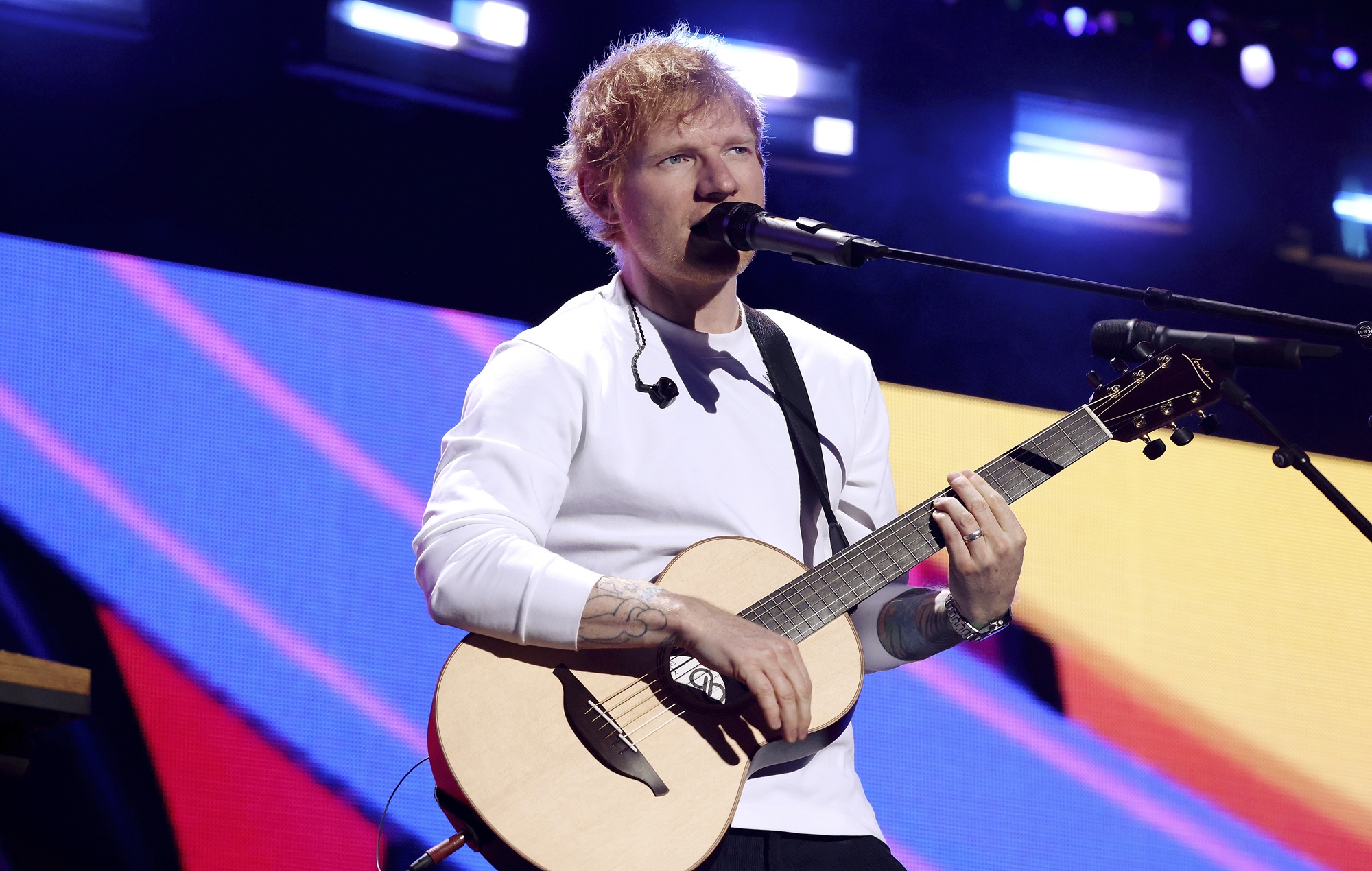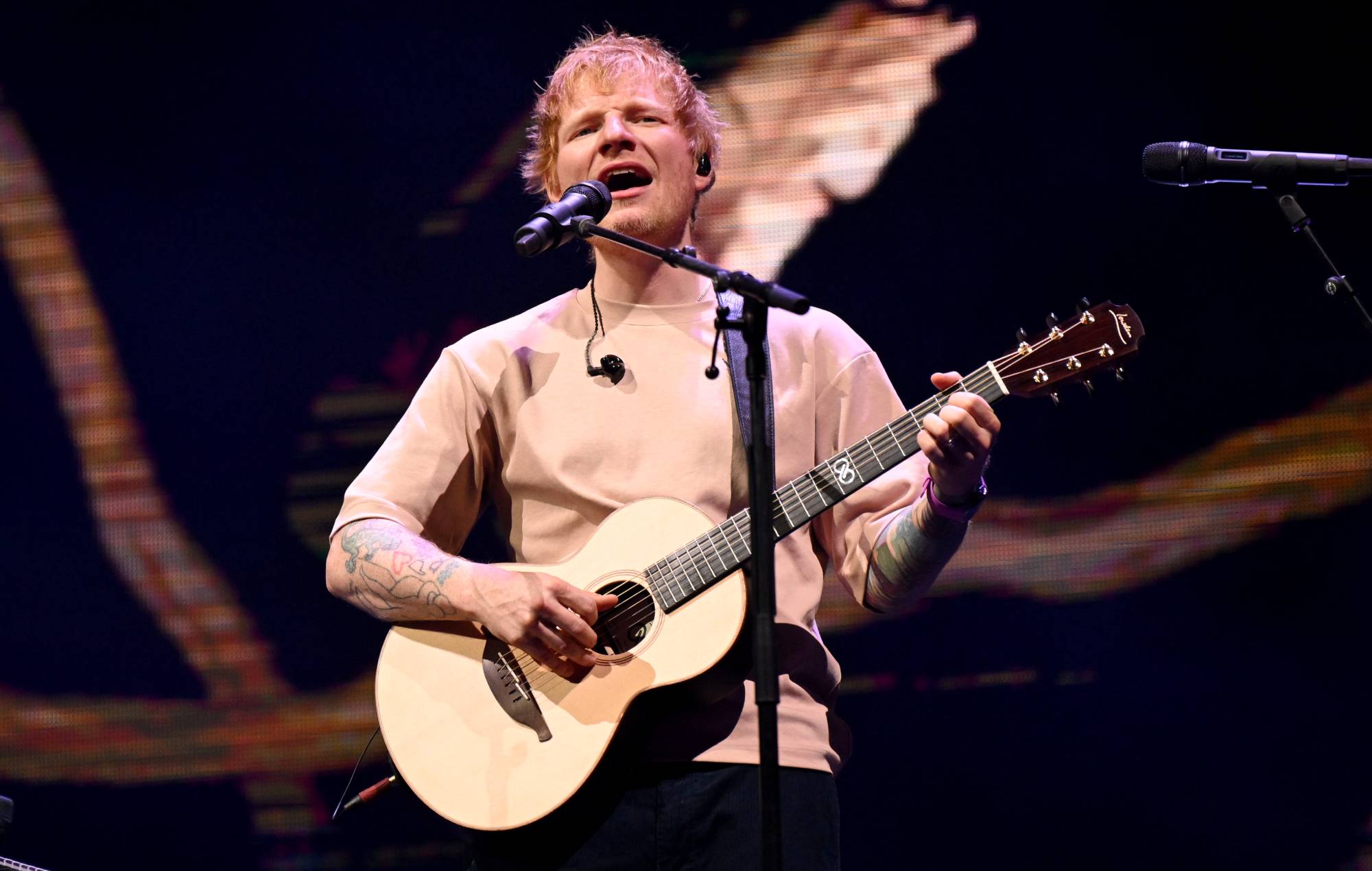
Lincoln Financial Field presented an unusual sight on September 19. When Ed Sheeran stepped out to play the Philadelphia stop of his Loop tour, the platform was entirely bare. There was no support act warming up the room, and there was no backing band waiting on the risers. Sheeran walked out on his own, carrying the weight of a turbulent week that had fractured the entire production. The crisis began when Macklemore was dropped from the tour following pro-Palestine statements made by the rapper. In the immediate aftermath, every scheduled opening act walked away, and the musicians who normally backed Sheeran on stage followed suit.
Sheeran wasted no time getting to the heart of the matter. Addressing the crowd right as the show began, he acknowledged that while he was well acquainted with people disliking his records, the reaction of the previous few days was about issues of far greater significance. Admitting that he had handled difficult choices poorly, he offered a straightforward apology to the room for his mistakes.
For most of his career, Sheeran explained, his primary goal had been to avoid stepping into the role of an activist performer. His intention had always been to create concerts where people could put divisions aside and come together around songs. Yet the fallout surrounding Macklemore pushed him directly into arguments about free expression. Sheeran challenged the idea that concert halls and stadiums should attempt to dictate what musicians say, arguing that venues in the free world ought not to be pre-approving artistic material.
The singer also spoke about the violence in the Middle East, having previously stated that he had no hand in the decision to remove Macklemore from the billing. Sheeran spoke of the October 7 attack at the Nova music festival in Israel as a horrific event that added to centuries of pain endured by Jewish people. Turning to the ongoing assault on Gaza, he described the situation as catastrophic, disproportionate, and unjustifiable, calling attention to the severe civilian toll, the loss of children, and the broader systemic injustice occurring across the West Bank.
Looking toward practical responses, Sheeran told the audience that he has been consulting with people holding different perspectives to figure out how to direct aid to victims. He openly conceded that he still has much to learn about the complexities surrounding the conflict. For Sheeran, preserving concerts as spaces where people who hold opposite political opinions can stand side by side remains vital, even after the infrastructure around his own tour collapsed.
The controversy took a severe personal toll. Sheeran shared that the intense public pressure had led him to reconsider his future in music, wondering whether he should stop touring or quit recording altogether. As the scrutiny grew, longtime acquaintances distanced themselves from him, compounding the isolation. He described the week leading up to the concert as one of the most painful periods of his life, though he credited the Philadelphia audience with helping him pull off what he considered the best performance of his career.
Carrying a massive stadium production alone highlights how quickly modern tours can unravel when caught in geopolitical debates. For an artist who long attempted to maintain an apolitical stance, the episode showed that neutral ground can vanish almost overnight. By admitting his errors in front of the audience and stripping the concert down to just himself, Sheeran chose to see the tour through on his own terms.