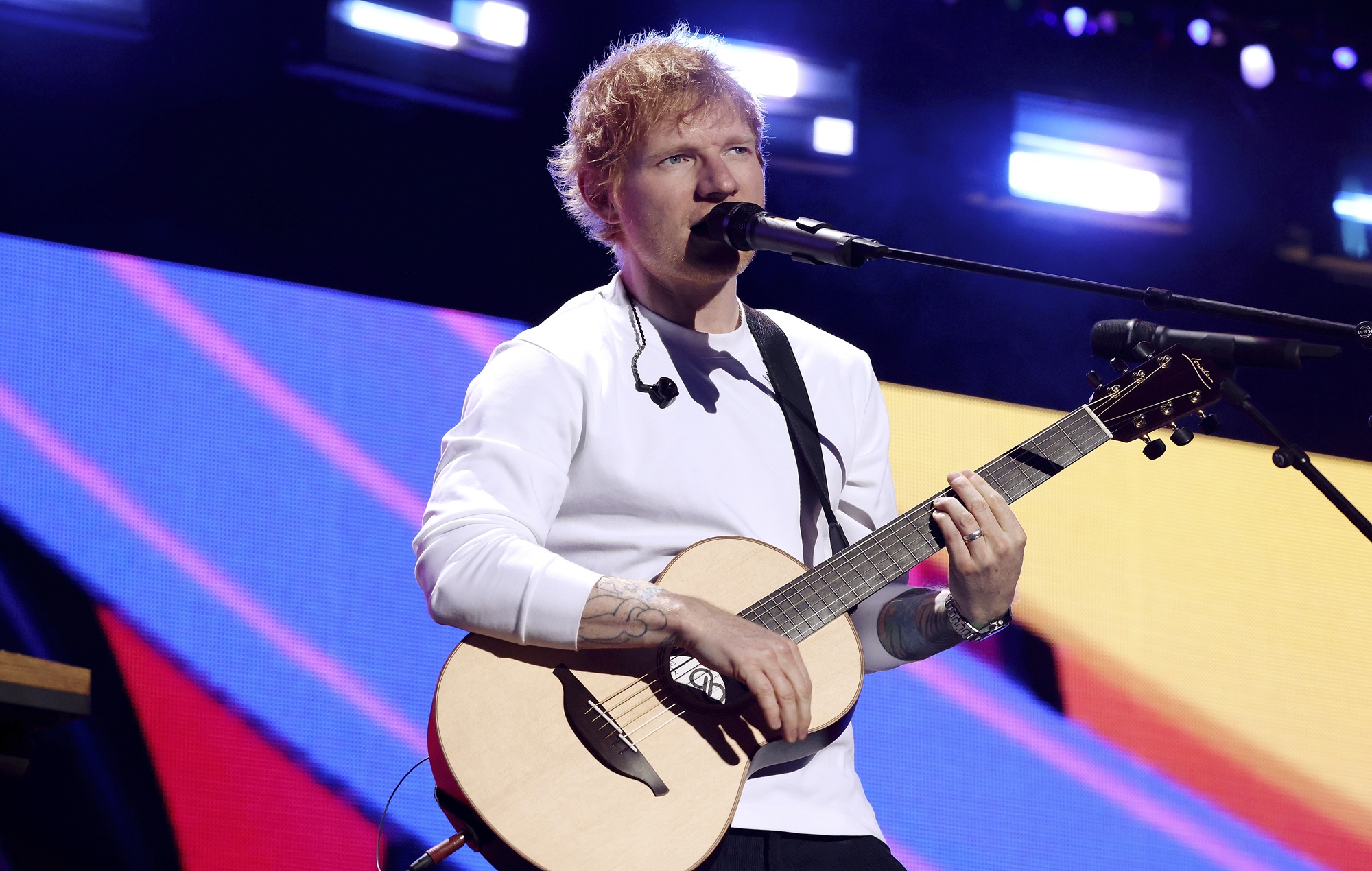
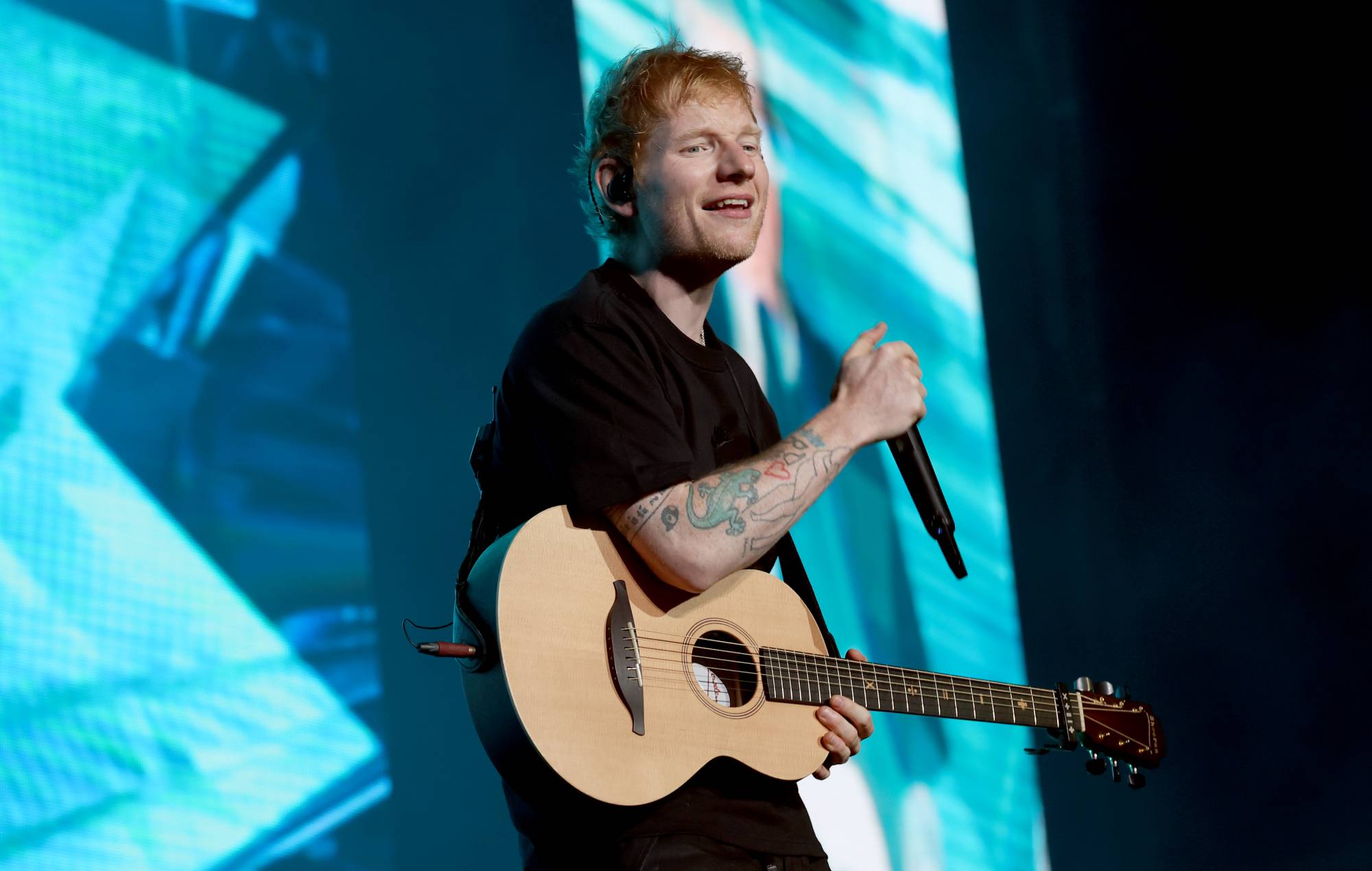
Ed Sheeran walked out at Lincoln Financial Field on September 19 facing a scenario that few stadium headliners ever have to navigate. Over the course of a single week, the infrastructure around his Loop tour had completely fractured. His opening acts had abandoned the bill, his regular backing band had walked away, and the singer was left to steer a massive stadium date in Philadelphia under intense public pressure.
The unraveling began during a tour stop at Gillette Stadium in New Jersey, where opening act Macklemore delivered an onstage speech advocating for a free Palestine. Backlash arrived quickly, drawing public criticism from Pink alongside the Israeli American Council. Robert Kraft, the owner of Gillette Stadium, characterized the remarks as deeply offensive and hurtful to the Jewish community. That reaction led directly to Macklemore being pulled from the tour roster entirely.
Dropping Macklemore prompted an immediate revolt across the remainder of the lineup. FINNEAS, Lukas Graham, Aaron Rowe, and Beoga all issued statements standing firmly behind the rapper before pulling out of their scheduled appearances. The fallout then spread straight into Sheeran's own camp. His entire touring backing band decided to step aside as well, stripping away the musicians he relied on to pull off his larger, fuller arrangements.
Taking the microphone in Philadelphia before starting his set, Sheeran confronted the chaotic week directly. He had previously noted that he was not complicit in the decisions made regarding the tour, expressing horror at the conflict between Israel and Palestine and calling the suffering on both sides tragic. In front of the audience at Lincoln Financial Field, he admitted to making mistakes during an intense week of public scrutiny, making a point to separate routine musical criticism from far heavier matters.
Sheeran also addressed the violence in the Middle East in explicit detail. He called the October 7 attack at the Nova music festival in Israel horrific, noting that it compounded centuries of Jewish pain. Turning to the situation in Gaza, he described what is unfolding there as catastrophic, unjustifiable, and disproportionate. He spoke of his heartbreak regarding the deaths of civilians and children, highlighted systemic injustice in the West Bank, and told the crowd he is consulting with people across varied perspectives so he can direct support to victims while continuing to educate himself.
The tension of the moment noticeably altered the physical mechanics of the show. Sheeran explained to the audience that safety concerns prompted him to abandon the B stage, a secondary platform normally set up in the middle of the crowd. He admitted candidly that he was uncertain about how attendees might react, worried that people might direct anger toward him or throw objects if he ventured into the center of the stadium floor.
Rebuilding the musical presentation proved just as urgent. While a good portion of Sheeran's catalog relies solely on his loop pedal, other tracks require a full group. Left without his players, he reached out to an unnamed female artist he had toured with the previous year. She agreed to step in and brought along musician friends who had only three days to learn the arrangements. Against the backdrop of a volatile week, the makeshift group stepped directly into a stadium spotlight to help Sheeran keep the tour moving forward.