When Janine Warren arrived in London around 2000, guitar music was in a strange, subdued state. She had secured a position at the Beggars Banquet group, spending her days working around labels like XL and 4AD, yet the mood behind the desks was noticeably quiet. Whenever she asked Ed Horrox, the head of A&R at 4AD, about what was coming through the pipeline, the reply was routinely nothing. Radio playlists and industry attention were anchored to gentle, polite acoustic records from the likes of Travis and Turin Brakes. The late nineties had faded into a lingering calm, leaving labels waiting for an interruption that had not yet materialized.
The break arrived swiftly in February 2001. Warren attended an interview for an opening at the PR firm Coalition, which took the unusual form of an evening assignment at The Barfly in Camden, the room earlier known as The Monarch. The Strokes were playing their first ever concert in Britain, and the venue was crowded with music industry figures who had packed in on the guest list. That single set changed the temperature immediately. The band delivered a direct, abrasive volume that stripped away the mild records circulating on mainstream airwaves, showing Warren and the rest of the room precisely which direction live music was about to take.
That gig opened the gates to an overseas influx that British listeners absorbed far faster than audiences elsewhere. While American radio stations typically required new guitar acts to navigate a long path through established country and pop formats, the British music press and audience responded with immediate enthusiasm. Groups from Detroit, including The White Stripes and The Von Bondies, crossed the Atlantic alongside the Yeah Yeah Yeahs and a contingent of bands arriving from Australia. The speed of that reaction created room for domestic outfits to establish their own noisy, hyper-local circuits across the country.
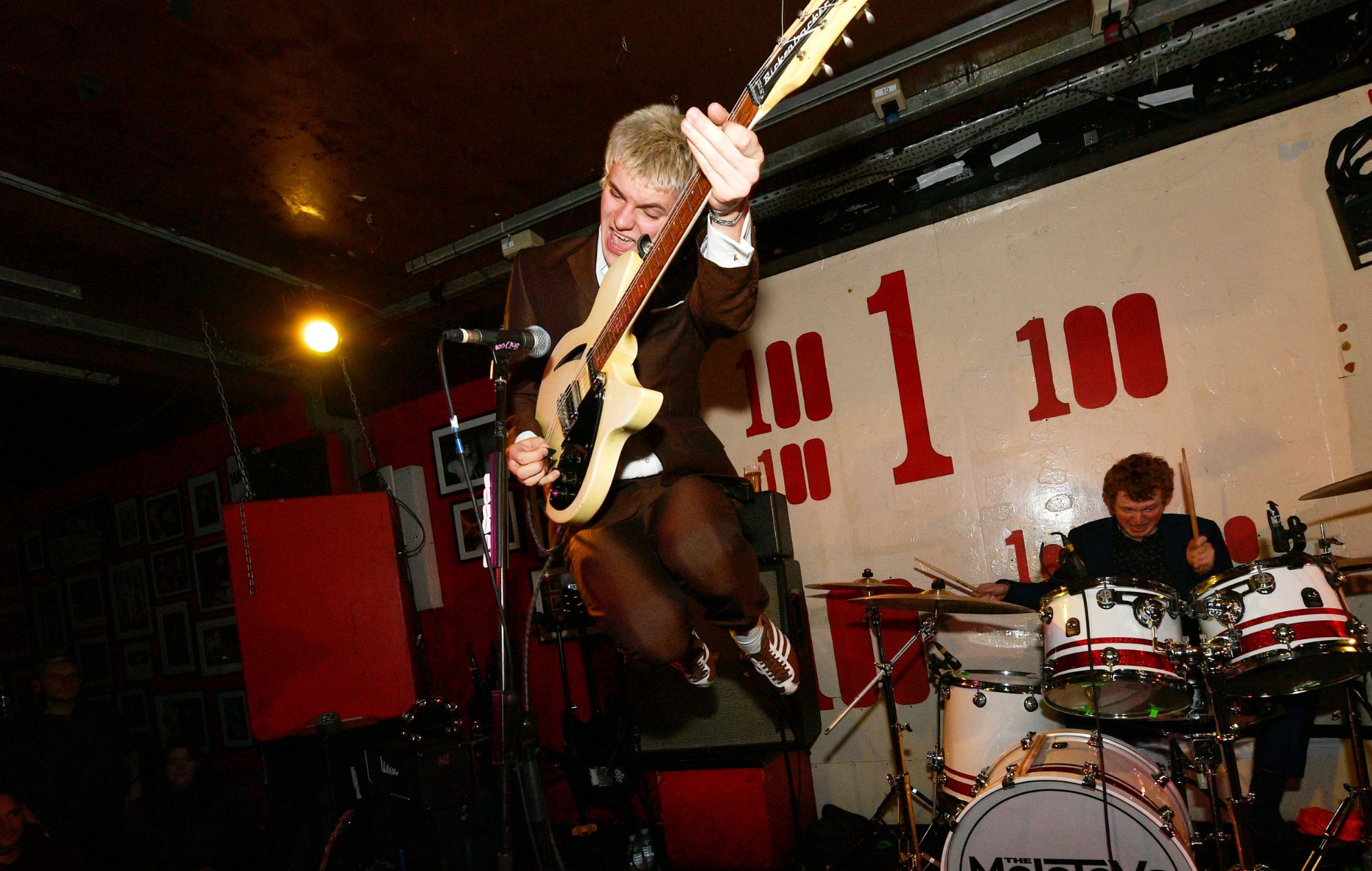
Warren spent the remainder of the decade in the center of that movement as an independent publicist. Her client roster across those years grew to include Franz Ferdinand, The Libertines, and Bloc Party, along with established figures such as Johnny Marr, Marianne Faithfull, and former Clash guitarist Mick Jones. It was a ten-year run fueled by word-of-mouth club nights and cramped basement gigs, where distorted rock and roll temporarily took over British youth culture.
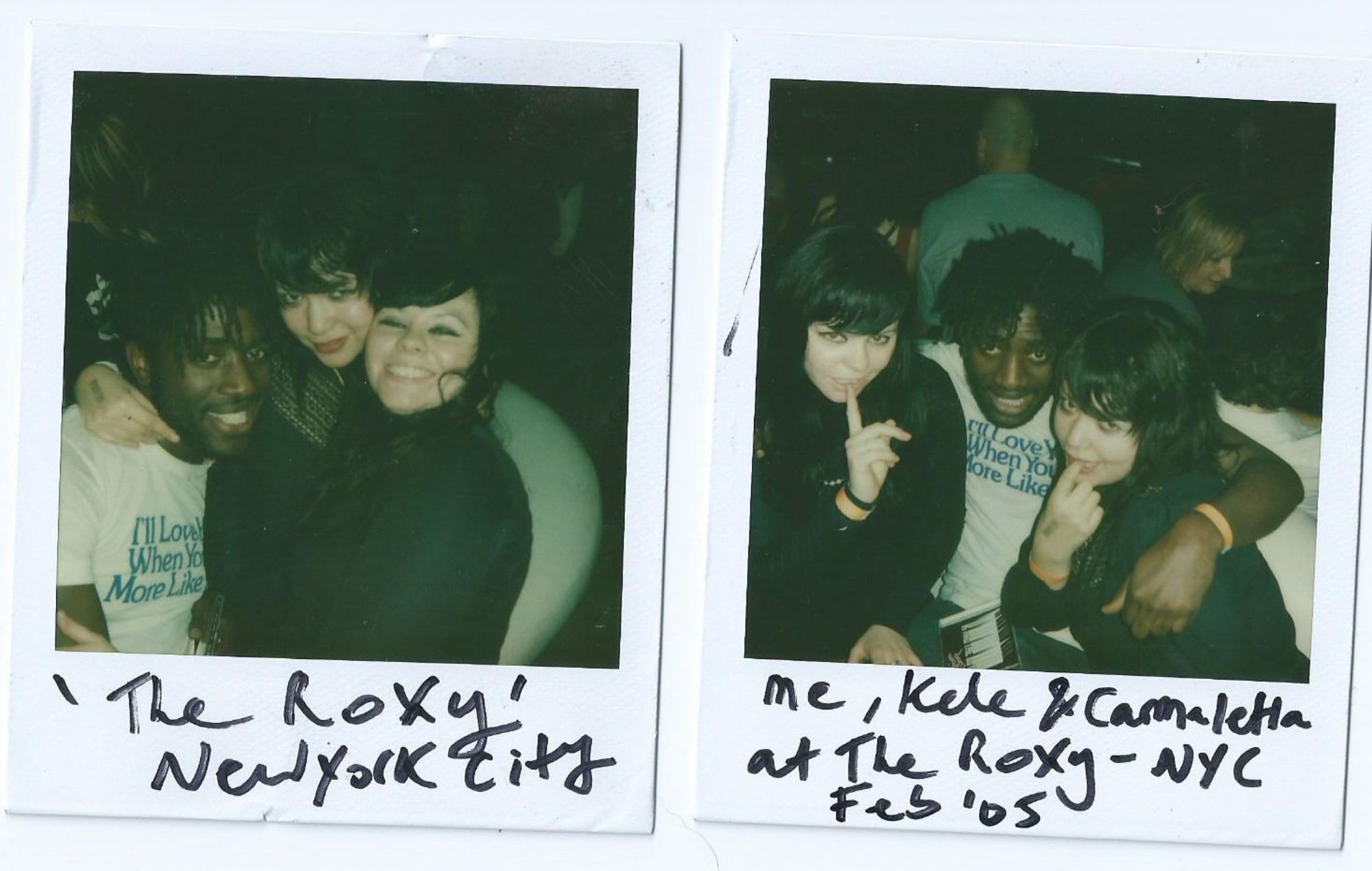
Those experiences form the backbone of Warren's retrospective book, The World Was a Mess But His Hair Was Perfect: The Last Indie Music Scene 2000-2010. Rather than working solely from memory, she gathered accounts from the musicians, companions, and backroom operators who lived through the period. The book incorporates commentary from producer Paul Epworth and former music weekly editor Conor McNicholas, opens with a foreword written by Franz Ferdinand frontman Alex Kapranos, and includes previously unpublished concert photography taken by Andy Willsher.
What emerges from Warren's documentation is a record of a scene defined as much by its physical limits as by its sound. The decade operated on affordable decadence and local gatherings during the final years before mobile phones became ubiquitous. Because attendees had no means to film sets on portable devices or broadcast them across social networks, the music only existed for the crowd standing in the room. Warren records that ten-year stretch as a self-contained era, catching the disorderly character of British venues right before modern pocket technology permanently altered how people witnessed live music.