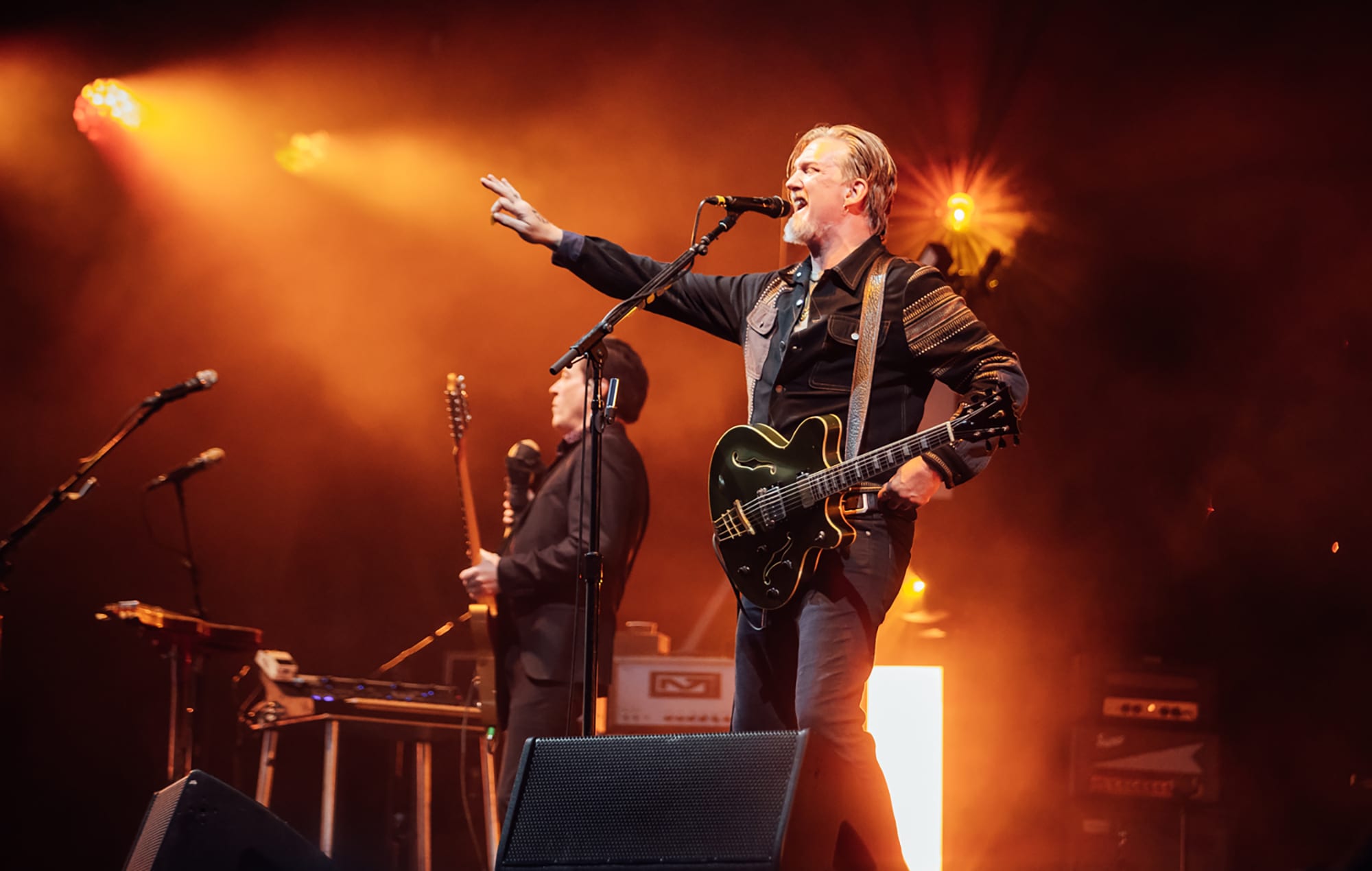
A broken foot is rarely considered a stroke of luck for a touring rock group, but for Kings of Leon, Caleb Followill's injury cleared a path that the band had avoided taking for years. The physical setback forced the Tennessee quartet to pull the plug on scheduled tour dates, leaving their frontman at home with an idle schedule and a nagging feeling that he had let down his bandmates. To work through that frustration, Caleb picked up an acoustic guitar. The very first piece of music to emerge from those quiet afternoons was My Whole World, a song that laid the groundwork for the band's tenth studio record, O My Beloved.
The shift in sound is distinct. Only a short while ago, Kings of Leon were touring behind 2024's Can We Please Have Fun, an album that leaned hard into buoyant, festival-friendly numbers built to reverberate across massive outdoor fields and sports arenas. The original intent had been to keep chasing that outsized trajectory, capitalizing on the reliable momentum that had kept the group headlining major festival bills for well over a decade. Sidelined from the road, however, the band abandoned the stadium polish, adopting a tender, country-rooted sensibility that trades arena theatrics for unvarnished self-examination.
That change in musical direction also demanded an overhaul of the band's traditional working methods. Over several album cycles within the major label ecosystem, Caleb had developed a dependable, calculated formula. Sessions typically required churning out a predetermined quota of up-tempo rock anthems alongside a customary ballad tailored specifically for commercial radio play. With the touring calendar wiped clean, those external pressures fell away. The band stopped treating the studio like an assembly line, setting aside the polished tricks they had accumulated over years in the commercial mainstream. Instead, they allowed the songs to gather shape on their own terms, focusing exclusively on whether an idea carried emotional resonance rather than whether it fit an established playlist format.
Much of that emotional weight stems from confronting pain the band had spent years trying to outrun. When the brothers lost their mother in 2021, their immediate response was to bury the tragedy beneath work. They booked flights, scheduled studio sessions, and threw themselves back into the churn of the road, using perpetual motion as an emotional buffer. Caleb later recognized that the urge to keep moving and establish an ordinary daily groove was simply a defense mechanism, a conscious effort to dodge grief and avoid reckoning with the harsher realities of their lives.
Writing O My Beloved dismantled that protective wall. Working through the new material opened up recollections from Caleb's childhood, bringing forward quiet moments from his youth that had previously gone unexamined. The process became a therapeutic release, allowing the singer to engage with subject matter that had long felt too intimidating or too raw to discuss openly. For bassist Jared Followill, listening to those songs offered a similar catharsis. Hearing his brother work through those memories in real time allowed the entire band to revisit their shared family history, committing private truths to tape together.
The band's turn inward also mirrors a broader cultural shift they have observed in recent years. Both Caleb and Jared have pointed out that younger listeners increasingly gravitate toward artists who explore their musical roots, rewarding straightforward, stripped-back storytelling rather than high-gloss production and manufactured spectacle. At the same time, the group has begun looking toward the horizon, keeping in mind the impending twentieth anniversary of their breakthrough third album, Because Of The Times. Having achieved far more than they ever expected when they first started playing together, the members have even openly weighed whether they might eventually step away from music entirely. For now, O My Beloved finds Kings of Leon lingering in the present, taking stock of where they came from and everything they have weathered to get here.