Four decades have passed since the tour bus crash in Sweden on September 27, 1986 that took the life of Cliff Burton. Following a musician of that stature stands as one of the most demanding assignments in heavy music, and Jason Newsted, who took the job and kept it through 2001, has been thinking about the weight and wonder of walking in Burton's shadow.
Burton arrived as Metallica's second bassist, shaping the sound of their first three records, Kill 'Em All in 1983, Ride The Lightning in 1984, and Master Of Puppets in 1986. His contributions reached deep into the writing credits on landmark tracks like Fade To Black, For Whom The Bell Tolls, Ride The Lightning, and Master Of Puppets itself. Trying to fill that creative space after the tragedy in Sweden felt nearly superhuman to Newsted.
Reflecting on that era, Newsted recalled how Burton possessed a rare, effortless fluency on his instrument, a trait he recognized in frontman James Hetfield as well. Burton could simply wake up and play. Hetfield, too, could climb out of bed after a night of drinking and pick up his guitar with an ease that took Newsted five hours of intense, focused practice to match. Burton was already remarkably accomplished on bass by the time he was sixteen, a level of talent that Lars Ulrich and Hetfield grasped immediately. In fact, both of them chose to pack up and move from Los Angeles to San Francisco just to ensure Burton joined the group before they ever recorded an album.
Newsted had witnessed that ability from the crowd long before he ever joined the lineup. Watching Burton perform live could be a humbling experience. It made Newsted question his own path, wondering why he should even bother when giving his absolute best might only yield a tenth of what Burton could do. The experience felt intimidating from start to finish, but it also lit a fire under him, pushing him to work harder and refine his own playing.
Stepping into Metallica during that grief-stricken period required emotional and musical endurance. Looking back in 2019, Newsted remarked that he would like to receive some credit for helping stabilize the group during those volatile post-crash years. In the decades that followed, Metallica moved steadily away from hardcore thrash metal toward mainstream rock. Hetfield reflected on that transition in 2016, wondering how Burton might have reacted to the shift. Newsted eventually parted ways with the group in 2001, opening the door for Robert Trujillo, who took over the bass duties in 2003 and remains in the lineup today.
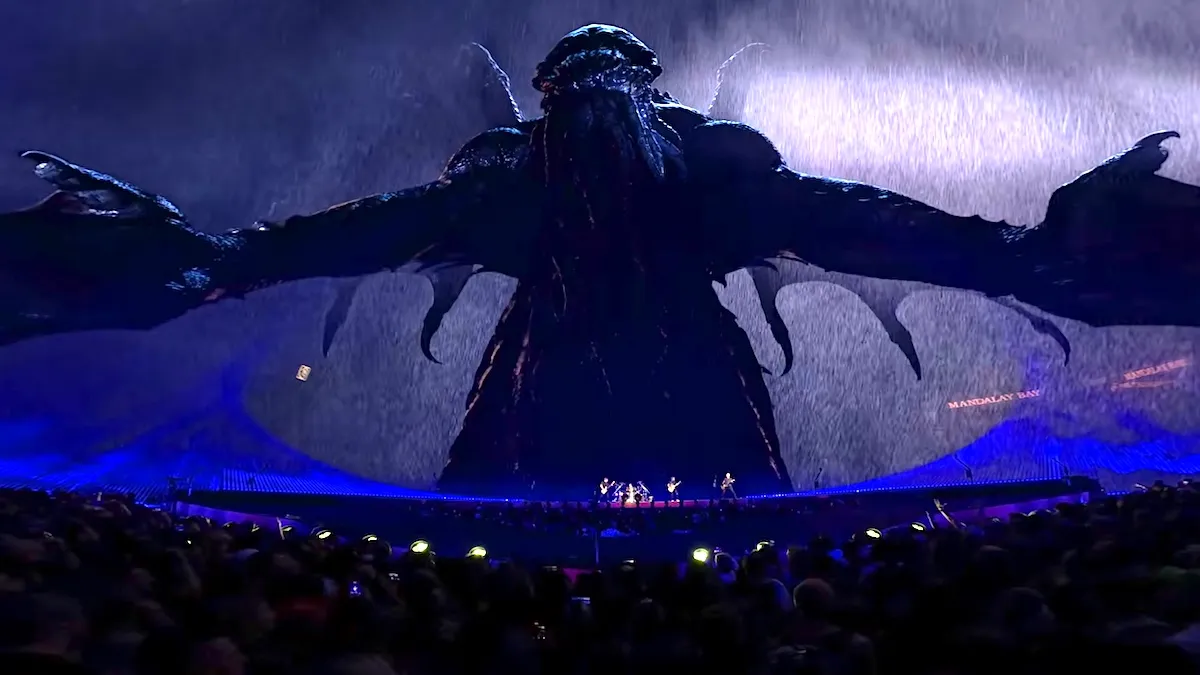
The memories come alongside welcome personal news for Newsted, who confirmed earlier in the spring that he was declared free and clear following treatment for throat cancer. Meanwhile, his former bandmates remain busy on the road with their M72 world tour behind 72 Seasons. Metallica will open a residency at the Sphere in Las Vegas on October 1 that runs into next year, while unconfirmed reports suggest they might eventually tour with Limp Bizkit in 2027.