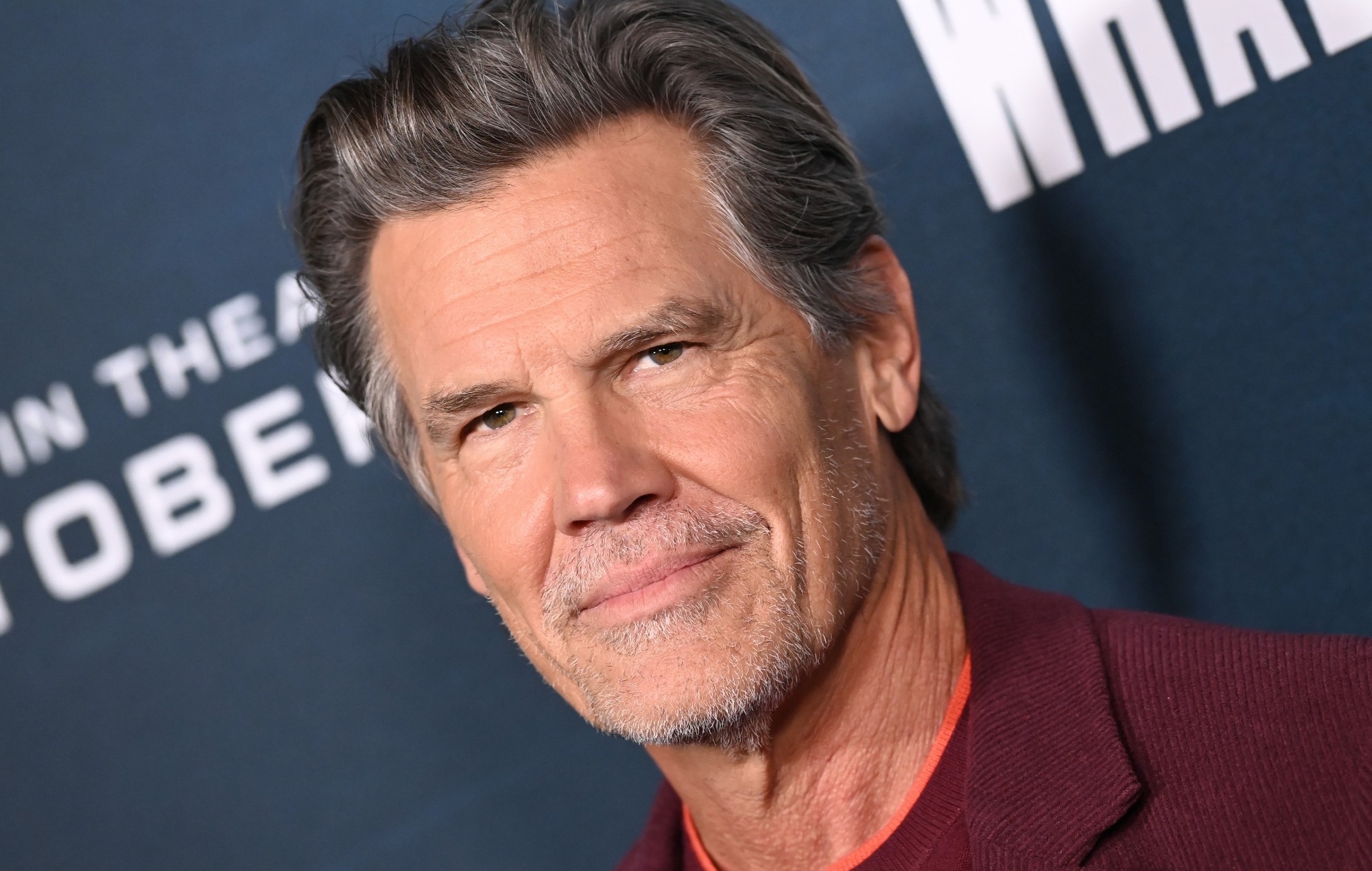
Long before Hollywood cast him in high profile roles, Josh Brolin spent his nights slipping out of his bedroom window to chase the southern California punk circuit. That adolescent era is now the focus of a documentary project helmed by Brolin alongside filmmaker Amy Berg. The production looks back at Cito Vice Squad, the garage group Brolin played in as a teenager, and follows the outfit through its transformation into skatepunk heavyweights Rich Kids On LSD.
During those early years, the main destination was Godzilla's, a club Brolin placed on equal footing with New York's CBGB. Reaching the venue meant sneaking out of the house after dark, driving into the noise to catch live sets by Black Flag, Circle Jerks, and Beer Guts. The surrounding scene, propelled by bands like Dead Kennedys and Wasted Youth, made an instant impression on the teenager. After discovering the Sex Pistols, Brolin and his closest friend, Jason Sears, decided to pick up instruments themselves.
The project they formed was Cito Vice Squad, a rough garage setup that Brolin remembers with distinct modesty. He readily admits he was never a capable drummer, and he still considers the band name super dumb. The trajectory of the group altered completely when Richard Manzullo, known to everyone as Bomer, entered the fold. Bomer was a self-taught musical talent who could handle drums, piano, guitar, and bass, eventually writing and composing their arrangements. With Bomer moving behind the kit, the rhythm section locked into place, establishing the lineup that would carry forward.
The group's eventual identity arrived courtesy of an unimpressed early onlooker. The spectator scoffed that the boys would never amount to anything because they were simply a bunch of rich kids on LSD. The musicians claimed the insult, rebranded as Rich Kids On LSD, and built a furious presence on the West Coast skatepunk circuit. Their recorded catalog started with the 1984 debut EP It's A Beautiful Feeling, followed shortly by the 1985 LP Still Laughing. After delivering their second album, Rock 'n Roll Nightmare, in 1989, the group dissolved, later reforming with a modified lineup in 1992.
The velocity of that era carried a grim aftermath. In 2005, Bomer died of heart failure connected to a long struggle with narcotics. Sears died only two months later, suffering fatal medical complications during detox treatment. That pattern of addiction and loss echoed through Brolin's broader adolescence in Santa Barbara. During the 1980s, he ran with a surf gang known as the Cito Rats, an assembly of neglected teenagers drawn from affluent and poor families alike, united by punk rock and an absence of parental guidance. Narcotics tore through the circle. While Brolin tried heroin during those years, he avoided chemical dependency and lethal harm, though nineteen friends from that subculture died, leaving him among the few survivors of his youth circle.
The documentary with Berg examines the surviving history of the musicians alongside the wider fabric of the Los Angeles punk community, focusing on how profoundly music can steer a life. Brolin has kept that relationship with records well beyond his hardcore days. He still cites David Bowie's The Rise And Fall Of Ziggy Stardust And The Spiders from Mars as an enduring favorite, and he credits Pearl Jam's Ten with shifting his viewpoint in his early twenties. The impact of song lyrics even crossed generations in his household, where his 38-year-old son learned to speak through the words of roughly thirty Bob Dylan compositions before ever carrying on normal conversation. While Brolin currently returns to cinemas in the feature film Whalefall, this archival project focuses on the intense beginnings that shaped his early life.