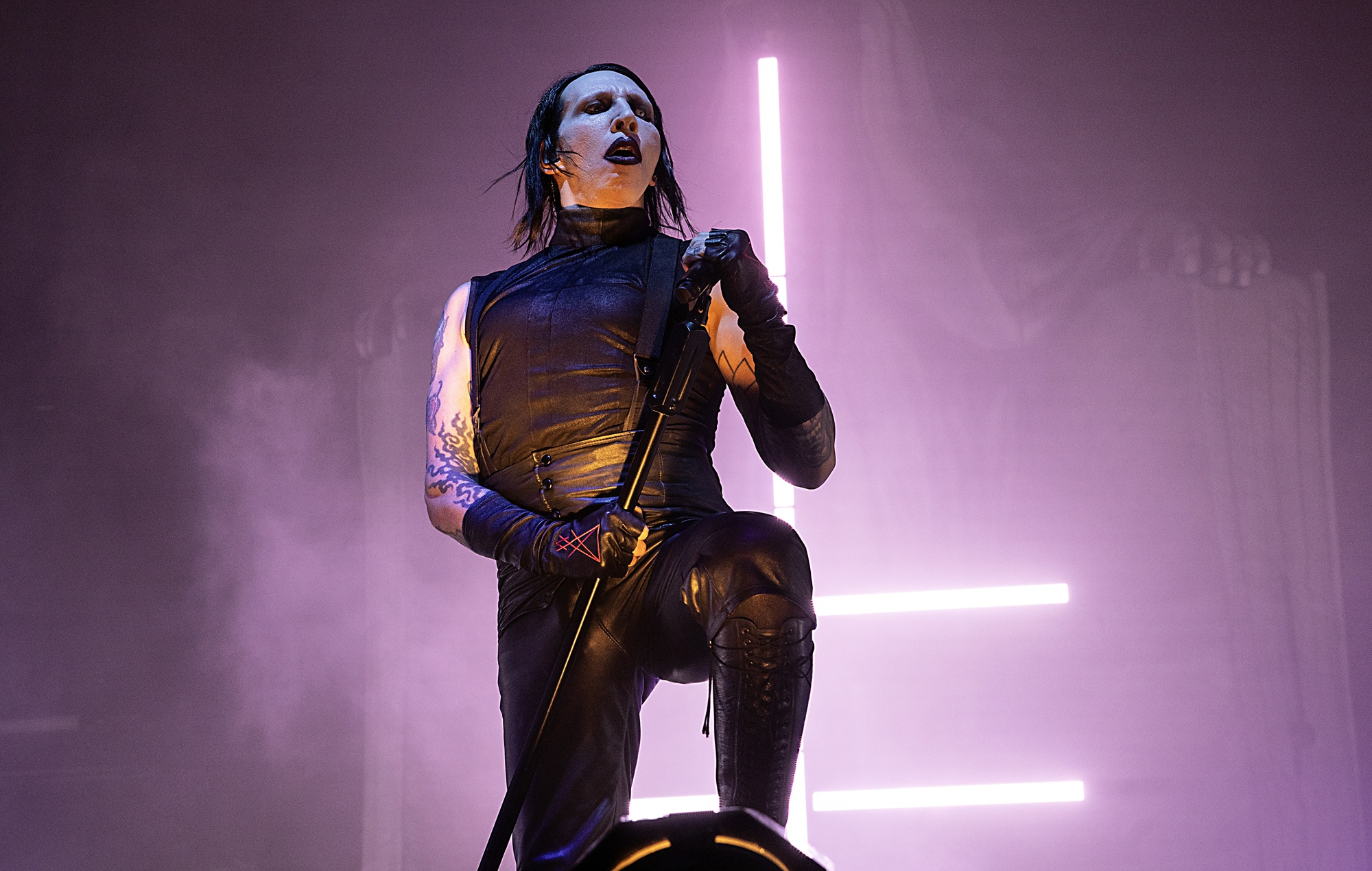
Slipknot usually command attention by virtue of volume and theatrical chaos, but their upcoming stop in London is drawing scrutiny for reasons that have nothing to do with heavy riffs. A growing public campaign has formed around the band's solitary British stadium appearance, with more than 20,000 people signing a petition demanding that Marilyn Manson be removed from the bill. For concertgoers and local residents alike, his presence on the lineup has reopened difficult conversations about the music industry, accountability, and the standards expected of world renowned venues.
The show, scheduled for July 3, 2027 at Wembley Stadium, is billed as part of Slipknot's (sic)est Stadium Tour. It stands as the American group's only confirmed date across the United Kingdom and continental Europe. Sharing support duties alongside Manson are Lorna Shore and Hatebreed, with the latter two acts also slated to follow Slipknot to South America for a sequence of performances in September. Yet the announcement immediately stirred dissent among rock listeners because of the extensive list of sexual and domestic abuse accusations that have trailed Manson, born Brian Warner, over recent years. Warner has firmly rejected all allegations brought against him.
The petition gathered momentum after being initiated earlier this month by Anton Georgiou, a councillor representing Brent, the London borough that is home to Wembley Stadium. Georgiou questioned why live entertainment should play by rules distinct from almost any other line of work. In ordinary corporate or civic environments, he noted, employees accused of such misconduct would typically face suspension while legal inquiries run their course. Offering Warner such a visible stage, Georgiou argued, signals a troubling disregard for survivors of sexual violence. His petition also pointed toward the potential institutional fallout for Wembley itself, cautioning that hosting the musician could severely tarnish the reputation of the venue, especially if a civil jury later finds Warner liable.
The timeline makes the London concert particularly sensitive. Only four months after he is due to step out in front of tens of thousands of fans under the Wembley arch, Warner will face a civil jury across the Atlantic. That trial is set to begin in Los Angeles on November 15, 2027. It stems from a complaint lodged by Ashley Walters, his former personal assistant, who claims Warner subjected her to sexual assault and abuse while she worked for him between 2010 and 2011.
That forthcoming court date is simply the latest chapter in a long stretch of legal disputes. In 2021, actor Evan Rachel Wood came forward publicly to name Warner as her abuser, describing sustained patterns of grooming, coercion, and physical violence. Her account was later explored in depth in the 2022 documentary Phoenix Rising. Warner characterized her claims as fabrications that distorted the reality of their past relationship, insisting his encounters were entirely consensual. He attempted to strike back with a defamation lawsuit targeting Wood and artist Illma Gore. By November 2024, however, Warner abandoned the legal action and agreed to settle nearly $327,000 in Wood's accumulated legal costs.
Other accusers have also sought legal remedy. Actor Esmé Bianco pursued a lawsuit detailing allegations of human trafficking, physical violence, and sexual assault, accusations that Warner contested before both sides reached an out of court settlement in 2023. A broader criminal inquiry pursued by the Los Angeles County District Attorney lasted four years before authorities decided in January 2025 not to file formal charges. District Attorney Nathan Hochman clarified that the domestic abuse claims fell outside the governing statute of limitations, while the sexual assault complaints lacked the necessary evidence to secure a conviction beyond a reasonable doubt.
Even with prosecutors declining to bring criminal indictments, the impending civil trial keeps the issue alive. For the tens of thousands who signed Georgiou's appeal, welcoming Warner to Wembley feels like a quiet endorsement that cannot be separated from the allegations. With years still to go before the tour touches down in London, the spotlight remains fixed on how promoters, venues, and headliners navigate the public demands of their audience.