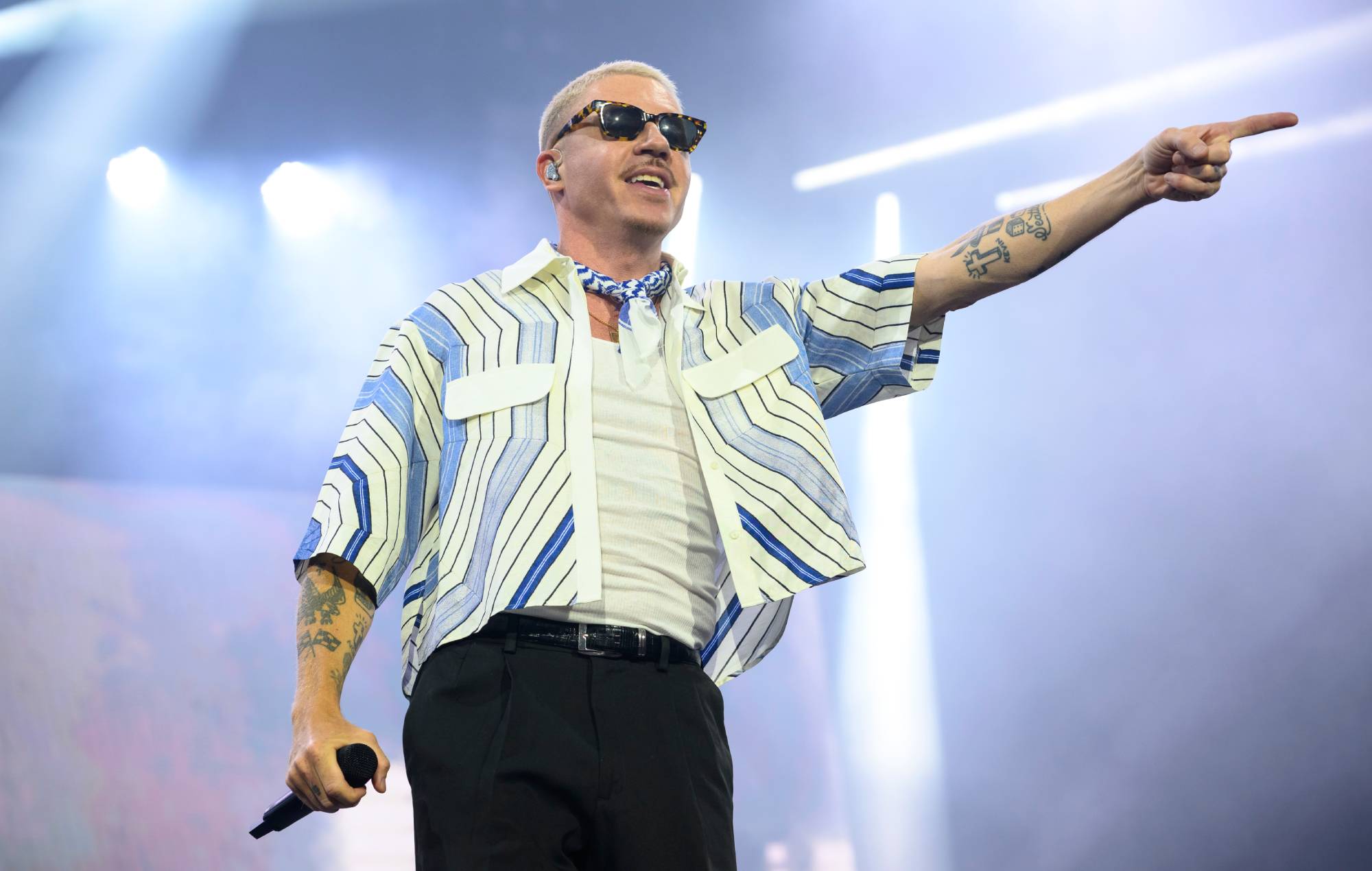
When Macklemore stood before a sold out crowd of roughly 10,000 at London's OVO Arena Wembley on October 30, the setting carried a very different weight than the arena dates he originally had mapped out for the year. This London show brought a three-date European benefit tour to a finish, an itinerary put together after the Seattle rapper was pulled from Ed Sheeran's American Loop Tour. That dismissal followed onstage pro-Palestinian comments Macklemore made earlier in the year. Rather than backing down or retreating from live performance, he pulled together his own run, sending every penny of profit across the three European performances to 12 organisations delivering support to Palestinians.
Getting inside the country had not been guaranteed. Ahead of the concert, fifty members of the House of Lords had submitted a formal petition to Home Secretary Shabana Mahmood, urging the government to refuse Macklemore entry into the United Kingdom over worries connected to the Palestinian Youth Movement. The effort did not stop the concert from going ahead, and the rapper made sure to note that political pushback during his time on stage.
Before Macklemore played a single note, climate activist Greta Thunberg set the tone for the night. She addressed the crowd early, praising the endurance of people in Gaza who continue to protect their culture and help one another through the violence of war. Thunberg made it clear that while gathering funds matters, donations alone do not solve systemic injustice. Philanthropy and slogans will not bring an end to occupation, she argued, pressing everyone in the room to turn community solidarity into steady political action long after leaving the building. Thunberg had already taken public aim at Ed Sheeran for letting concert promoters and venue owners dictate his lineup, calling out the pop star for a lack of courage after Macklemore was booted from the American tour.
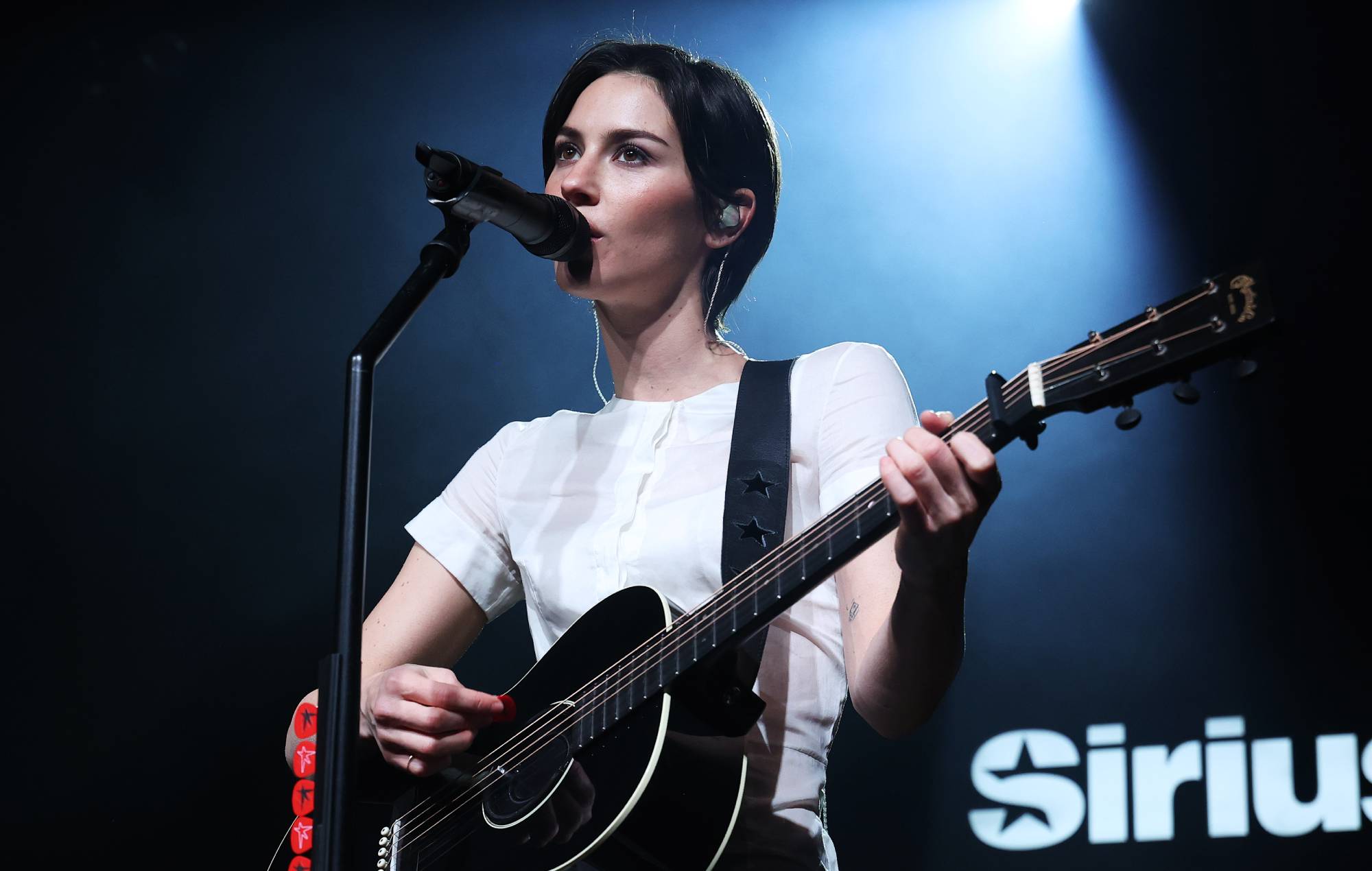
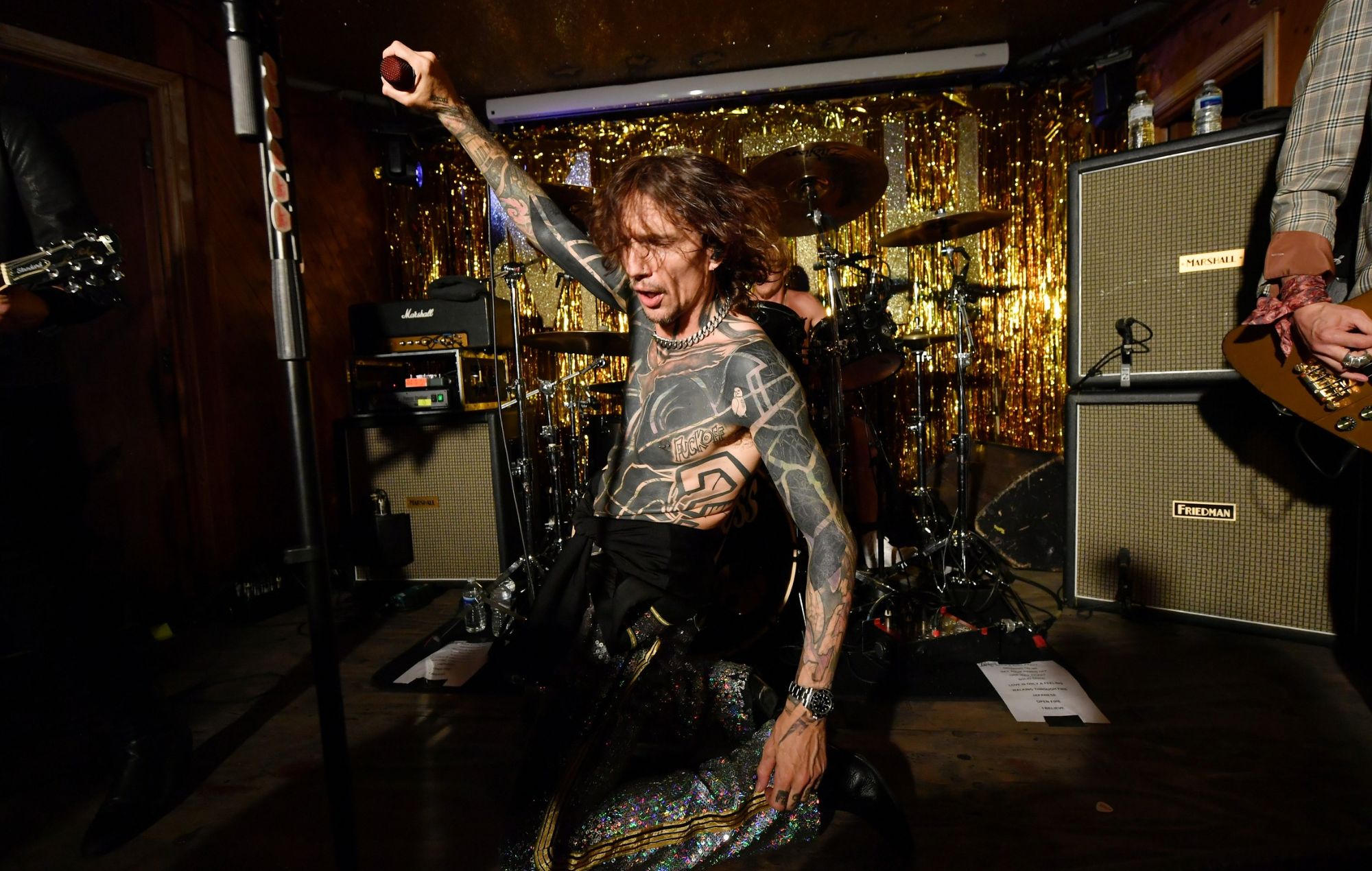
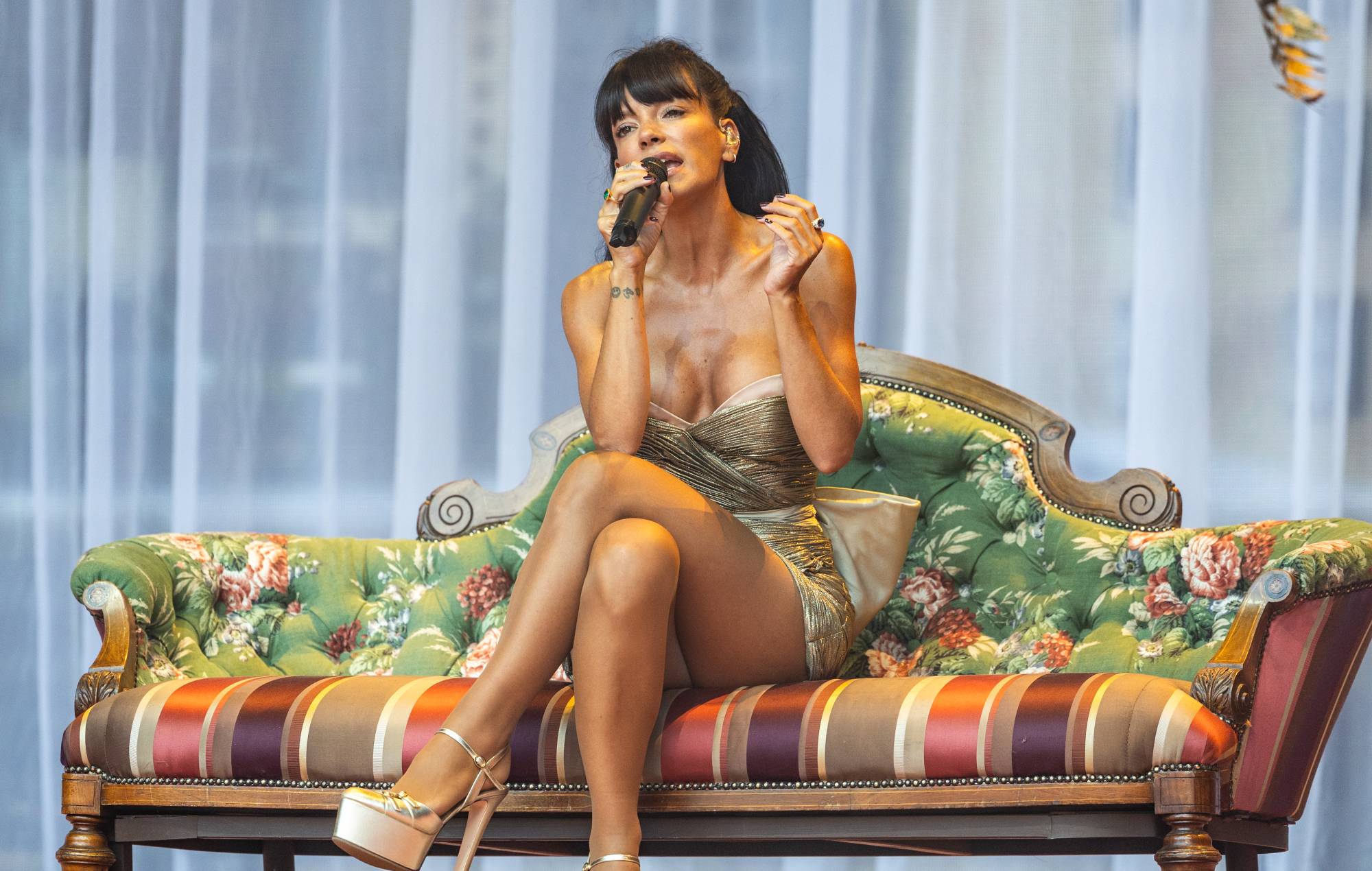
The roster of performers gave space to artists who felt the direct professional sting of taking a stand. Palestinian-Canadian musician Nemah Hasan, performing under the name Nemahsis, spoke directly about the fallout she experienced after speaking out in defense of Palestine, which resulted in her record label dropping her in 2023. Addressing the London room, Hasan insisted that her very existence served as the strongest form of resistance against industry efforts to silence dissenting artists. British singer Paloma Faith also stepped up to perform, offering a candid look at her own earlier reluctance to attach her name to the movement. Speaking as a mother seven months postpartum, Faith explained that children enduring suffering in Gaza, Sudan, Yemen, and Congo require the very same care and safety she expects for her own children.
The night also set aside space for voices carrying deep historical weight. Antoine Raffoul, who was expelled from his home during the 1948 Nakba in Palestine, spoke alongside Stephen Kapos, a Holocaust survivor who recounted his early childhood under the Nazi occupation of Budapest. Arab Barghouthi took the microphone as well, drawing attention to the ongoing imprisonment of his father, the Palestinian political leader Marwan Barghouti, while urging the crowd to hold onto hope despite long decades of struggle.
When Macklemore finally launched into his set, he delivered a balance between the inescapable radio smashes that built his career and the confrontational material that altered his touring schedule. Huge pop numbers like Thrift Shop, Can't Hold Us, Same Love, Glorious, and These Days sat right next to Hind's Hall, his dedicated protest single written for Palestine. By creating an independent platform with peers, activists, and survivors who refused to be quietly sidelined, the night proved that an artist can build an arena crowd entirely on their own terms.