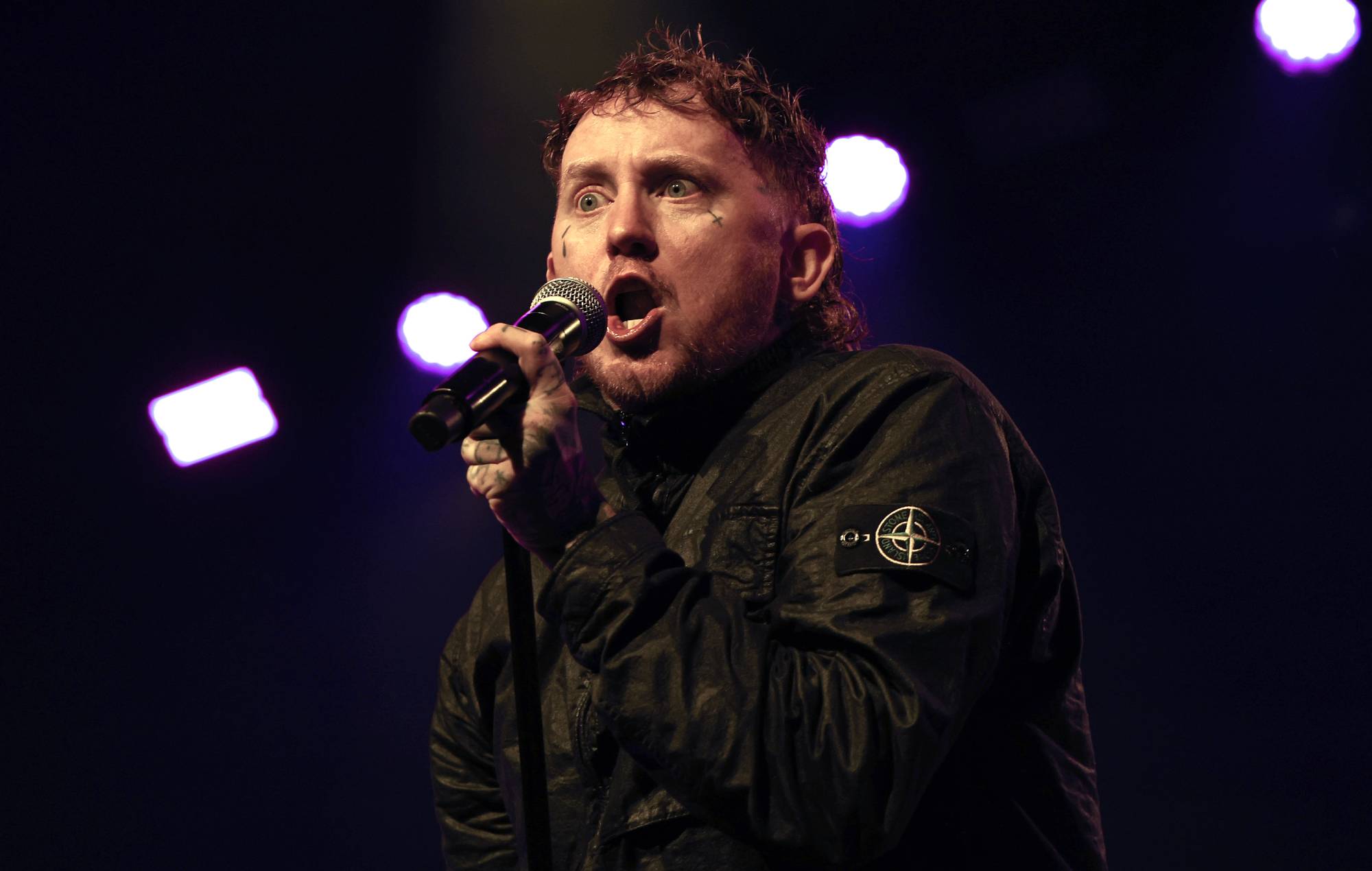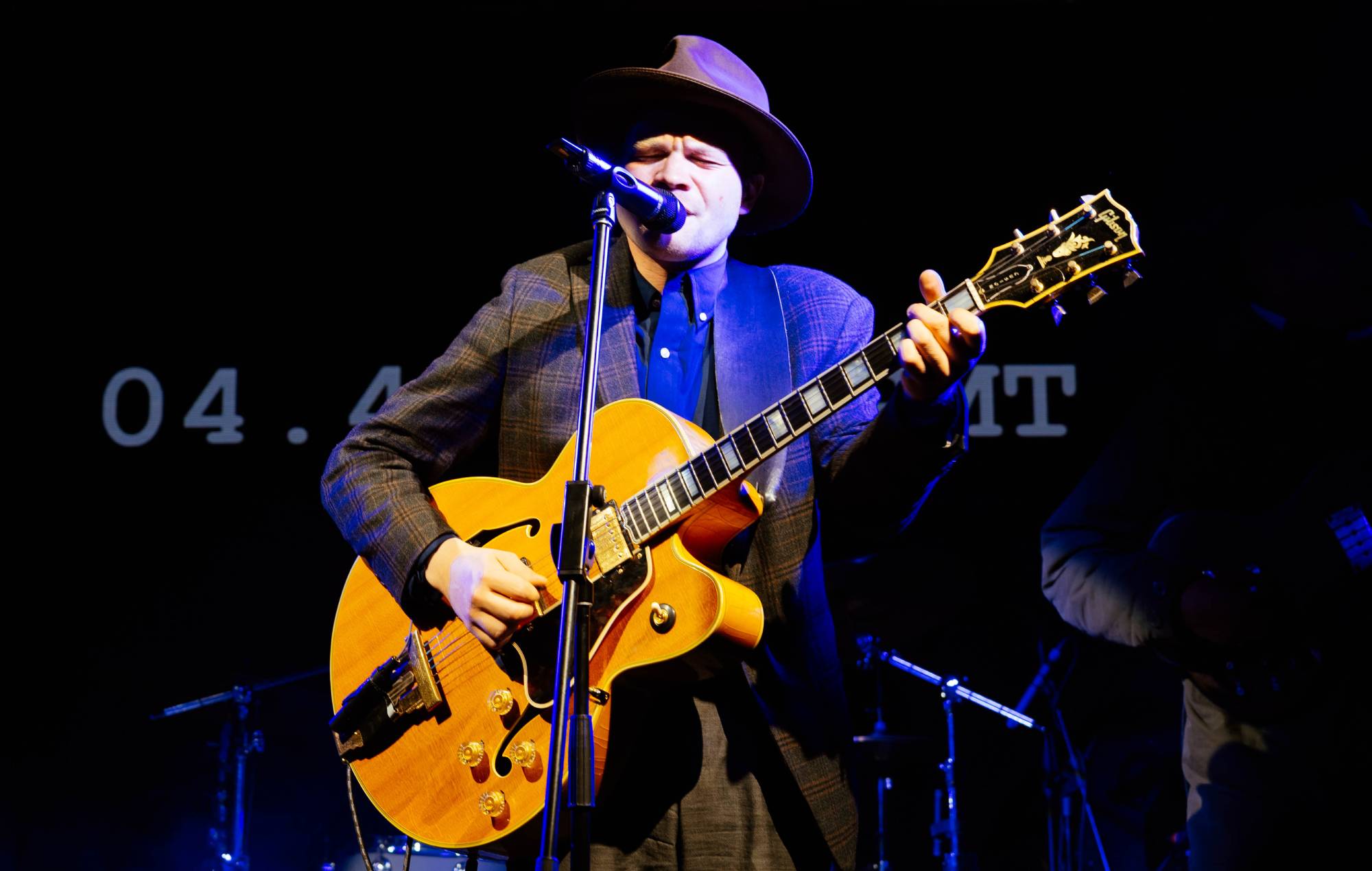
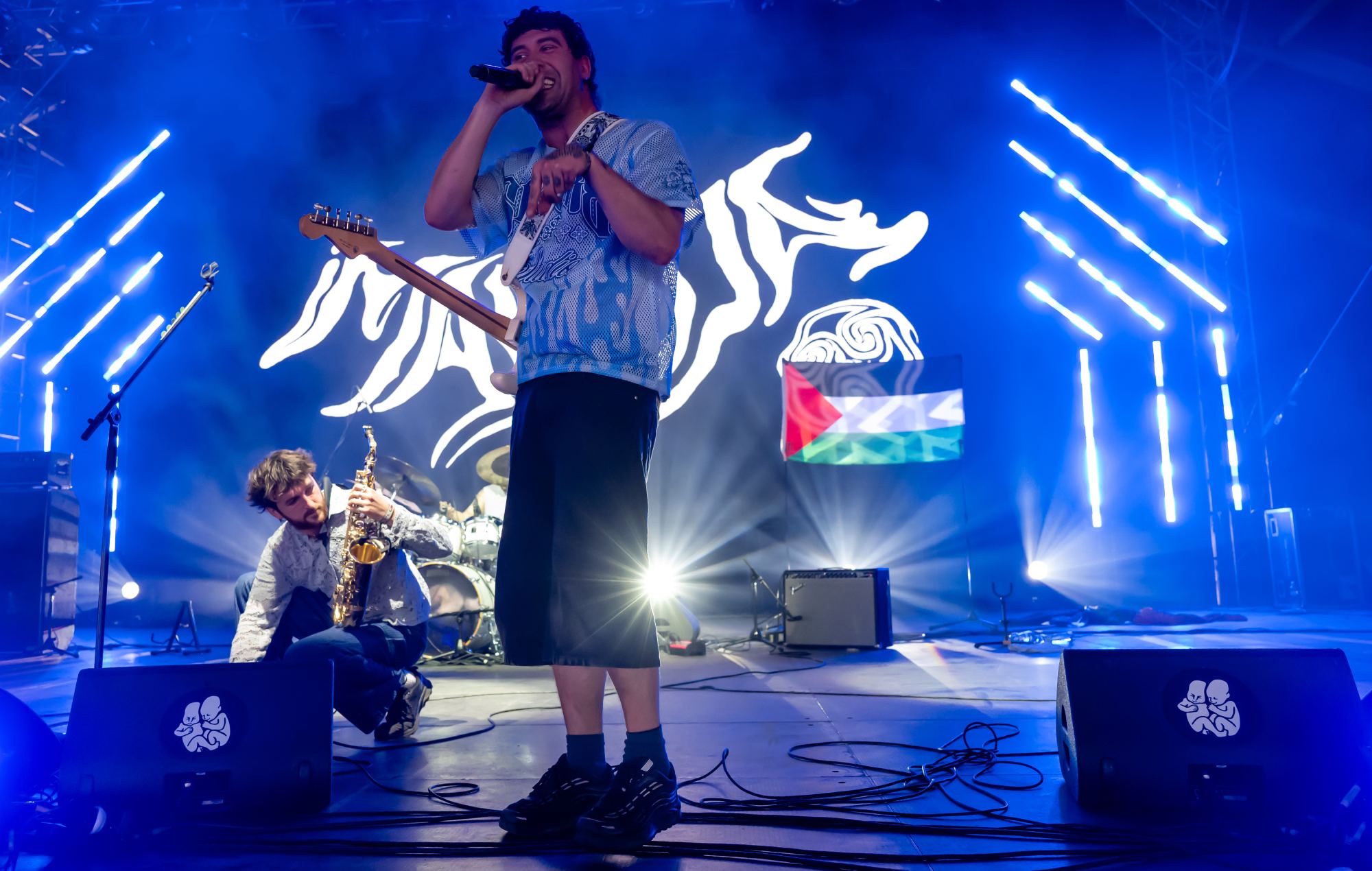
In September 1976, a two-day gathering in an Oxford Street basement altered the direction of British independent music. The 100 Club Punk Special put the Sex Pistols, The Clash, The Damned, Buzzcocks, and Siouxsie And The Banshees on the same stage, setting down a template for live performance that bypassed the mainstream industry. Fifty years on from that weekend, the venue is marking the milestone not by trading on archival nostalgia, but by bringing the focus back to current underground acts. Following an opening night led by Sprints, Manchester outfit Maruja arrive to top the bill tonight alongside London group Opus Kink, with tickets reset to the original 1976 price of one pound and fifty pence.
For Maruja vocalist and saxophonist Joe Carroll, the headlining appearance comes at the conclusion of a transformative stretch. It has been twelve months since the band released their first full-length record, Pain To Power. While the group had already gathered an international touring audience through a pair of earlier EPs, finishing a comprehensive album was a long-standing creative target. Over the subsequent year, that record took them to major events, including an appearance at Glastonbury 2025, while establishing a fierce relationship with the people listening to them.
That connection has taken tangible forms out on the road. Carroll has watched concertgoers turn up with the album art and lines of their lyrics tattooed on their skin, an experience he describes as wild to witness. The second verse of their track Look Down On Us has become a regular choice for supporters getting inked. The song centers on confronting an oppressive culture through active solidarity, challenging people to channel social awareness into direct empowerment rather than retreating inward. Carroll sees the lyric concerning money taking precedence over minds as directly relevant to recent events, pointing to the economic and political leverage that regularly operates out of sight.
The timing of the 100 Club anniversary coincides with broader friction across the live music business. Carroll points to the recent controversy involving American rapper Macklemore, who was pulled from Ed Sheeran's tour after delivering a speech in support of Palestine at Gillette Stadium. Billionaire venue owner Robert Kraft warned that Sheeran would face venue bans nationwide if Macklemore stayed on the bill. For Maruja, who are openly pro-Palestine, the incident demonstrates how private financial authority attempts to restrict political speech on public stages.
Carroll maintains that people should not spend their energy following music industry arguments or dissecting the rosters of stadium tours. The primary concern, he argues, is recognizing the violence in Palestine as a matter of fundamental morality rather than a partisan topic. His emphasis is on direct engagement, urging audiences to show up at street demonstrations, maintain constant pressure on their local politicians, and use their voices clearly rather than watching celebrity tour controversies from the sidelines.
Sharing the stage tonight are Opus Kink, the six-piece London band who once playfully challenged Maruja to a duel. Pairing both groups together inside the historic Oxford Street room at 1976 prices strips away the financial barriers of modern touring. Fifty years after the venue first caught fire, it returns the basement to its core purpose, offering an accessible setting where abrasive music and genuine political conviction still belong together.