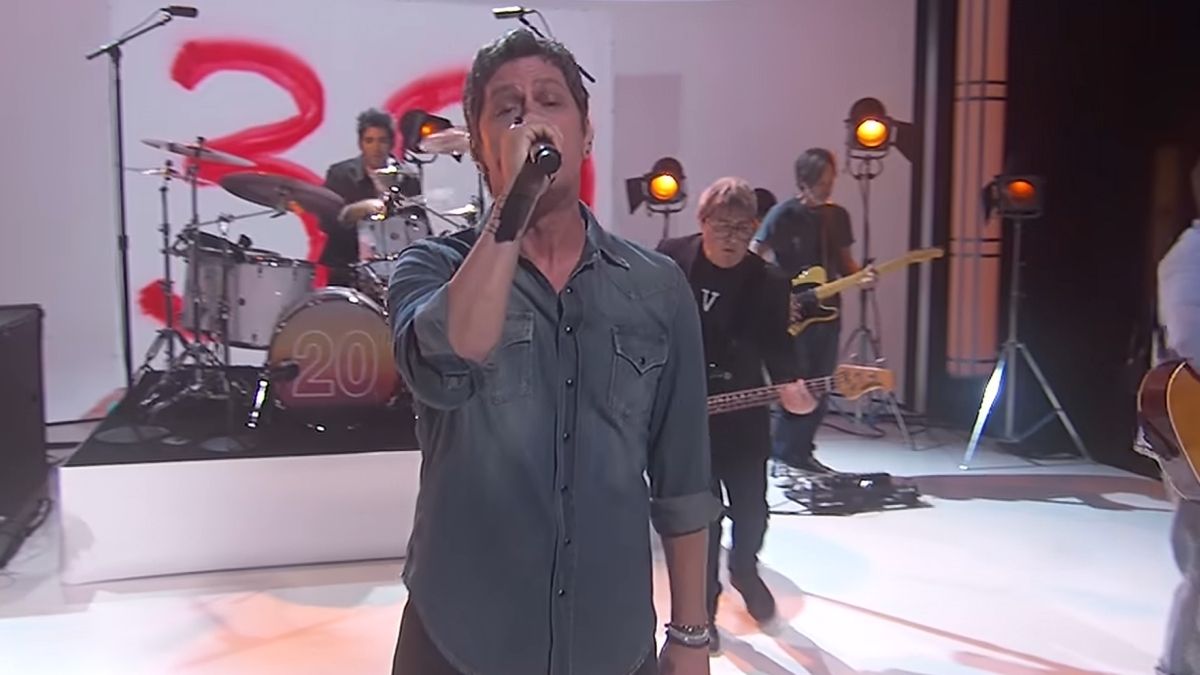
A late night television appearance usually signals that an artist has something immediate to promote. Bands routinely drop by network studios to debut an upcoming single, demonstrate a newly overhauled stage show, or introduce fresh album material to a wider public. When Matchbox Twenty took the stage on Jimmy Kimmel Live, they abandoned that standard promotional playbook. Instead, frontman Rob Thomas and his bandmates used their broadcast minutes strictly as an anniversary retrospective, returning to “3AM” to honor the record that first introduced them to the public.
The song was a central hit from their debut studio effort, Yourself or Someone Like You, a record that launched the band directly into mainstream visibility upon its arrival. Choosing to revisit that specific track rather than test out new songs or rework old arrangements made the performance an explicit look backward. Television broadcasts have long offered artists a platform to reflect on their history, giving them a moment to reaffirm their staying power in front of both longtime listeners and casual channel flippers who might only remember the band from the radio dial.
The visual staging on Kimmel reinforced that focus by refusing to crowd the room. Many television performances rely on rapid video walls, layered backing tracks, and elaborate stage decor designed to keep viewers visually engaged. Matchbox Twenty avoided all of that clutter. Behind the musicians, an otherwise blank screen featured an oversized number thirty framed against empty space. By reducing the presentation to that single graphic, the band made sure nothing distracted from the collective performance or the timeline they came to mark. The stark backdrop made their intention unmistakable, putting the focus squarely on the years that have passed.
Hearing a group tackle a song written thirty years earlier inevitably alters how the music comes across. When Yourself or Someone Like You arrived, “3AM” carried the nervous energy of an up and coming band working to make an impression. Three decades later, that youthful tension is replaced by steady road experience and physical repetition. Rob Thomas has delivered these lyrics across hundreds of setlists over multiple decades, and that history shapes his vocal resonance. The performance leans on muscle memory, allowing the group to deliver the music with a calm, lived in familiarity that only comes from carrying a song across generations.
For rock acts that established themselves during the mid 1990s, three decades turn early radio staples into historical markers. Milestone performances like this one give listeners an opportunity to evaluate how well a debut record holds its ground over time. Bringing “3AM” to national television with nothing more than an unadorned anniversary number on the screen showed a group comfortable with their beginnings. Matchbox Twenty did not try to overcomplicate the presentation or alter the music to fit modern trends. They simply stood on stage, marked three decades since their start, and let their foundational work speak for itself.