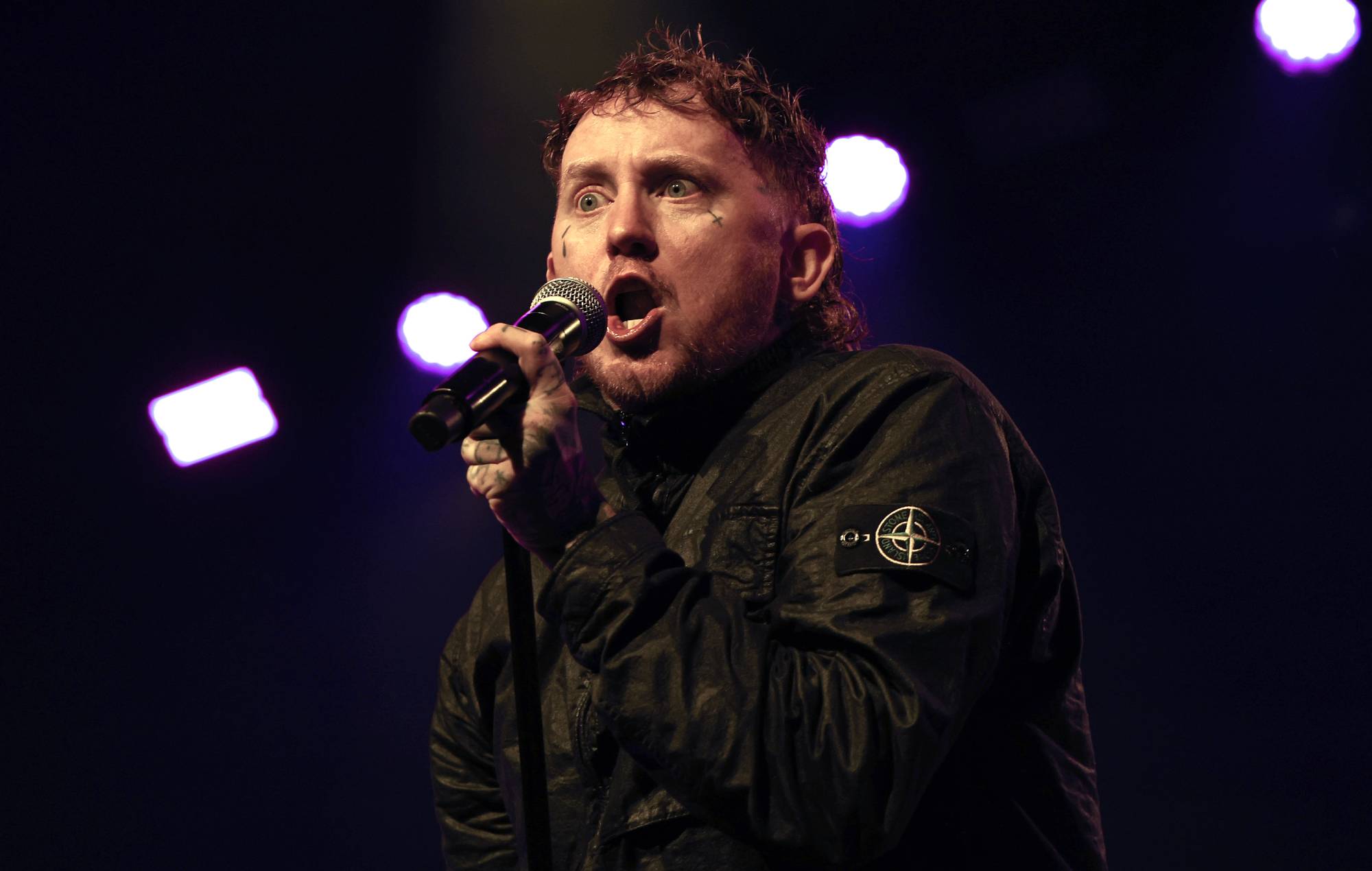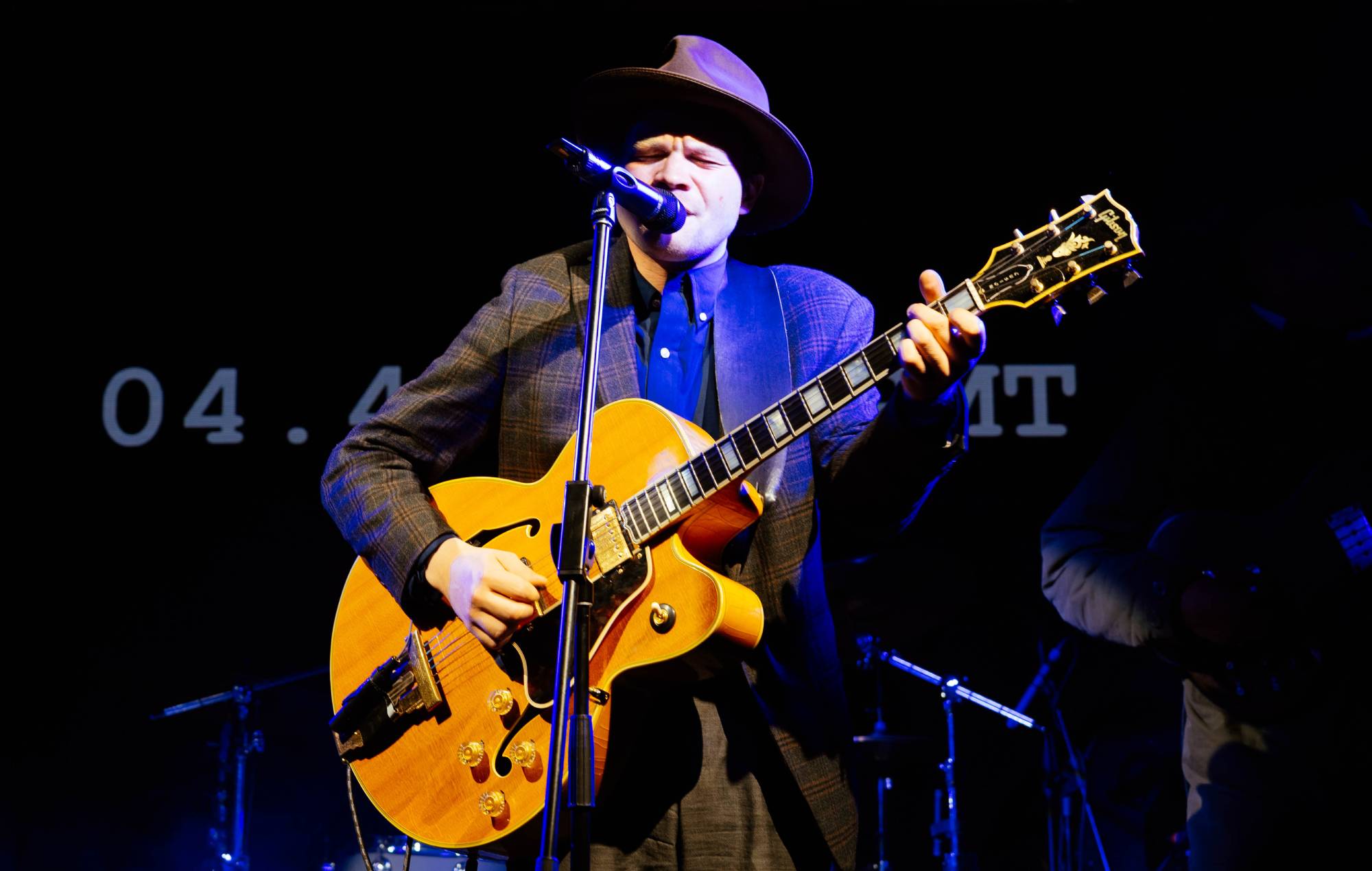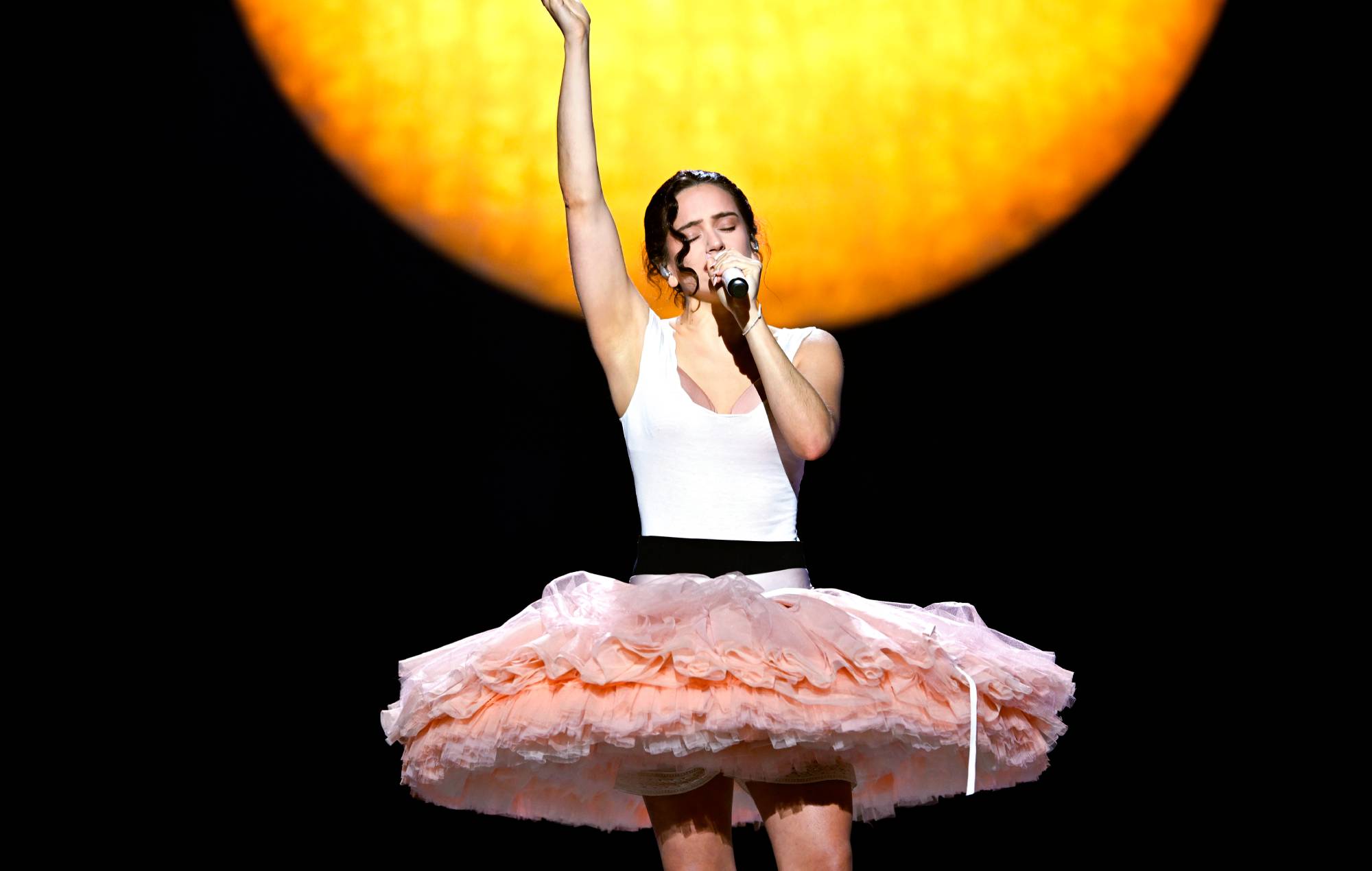

When touring machinery collides with political speech, promoters and managers usually default to swift damage control. The fallout across Ed Sheeran's recent stadium dates, however, turned into something much messier after an entire bill of musicians refused to fall in line behind an eviction. For actor Melissa Barrera, watching that collective rebellion unfold brought an uncomfortable reminder of how differently things played out when she faced her own industry exile.
The dispute traces back to a stop at MetLife Stadium in New Jersey on Sheeran's Loop tour. Macklemore used his opening slot to deliver an onstage speech and run through his protest song, Hind's Hall, accompanied by visuals documenting the destruction in Gaza. Backlash was immediate, and the rapper was dropped from the remainder of the itinerary. Instead of retreating, Macklemore pledged his entire one million dollar earnings from the tour to six separate relief organizations delivering humanitarian aid to Palestinians.
What typically ends as an isolated contract dispute soon turned into a widespread walkout. Rather than filling the vacant time, fellow openers FINNEAS, Lukas Graham, Aaron Rowe, and Beoga all withdrew from the tour in protest. Several players from Sheeran's own touring band joined them, stepping away from the stage and leaving the production scrambled. The coordinated departures marked a rare moment on the stadium circuit, where supporting acts collectively chose to absorb financial and professional hits rather than endorse the headliner's decision.
For Barrera, the scenes were both heartening and painful to watch. In November 2023, the actor was abruptly removed from the cast of Scream 7 after posting statements critical of the Israeli government and its military operations in Gaza. Seeing Macklemore backed by his peers highlighted the silence that met her own dismissal almost three years prior.
Reflecting on the walkouts, Barrera noted how deeply she felt the support shown by the opening acts and backing musicians, largely because nobody stepped forward to build that kind of wall around her when she lost her job. In her view, the industry atmosphere at the time was thick with pure panic, and colleagues were simply too terrified for their own careers to voice public dissent. The fact that performers are now willing to walk off major stages suggests, to her, that the climate of intimidation is finally beginning to crack.
Barrera also pointed an uncomfortable finger at the headliner himself. She questioned why an artist of Sheeran's stature chose capitulation over defiance, arguing that a stadium act of his commercial scale holds the rare leverage to call the bluff of promoters and venues. With that level of public backing, she argued, he could easily have rerouted or rebooked dates elsewhere. For Barrera, the episode illustrates how even the most untouchable figures in entertainment often govern themselves out of fear, routinely underestimating their power to protect other artists and redefine what speech is permitted.
Sheeran addressed the controversy directly on September 19 during his first concert following the walkouts. Speaking candidly to the crowd, he admitted to making mistakes throughout the process, confessing that the entire dispute had left him questioning whether he even wanted to continue working as a recording artist. Criticism has mounted from across the wider music community, with veteran artists including Billy Bragg, Massive Attack, and Roger Waters calling out his handling of the situation. Further complexity emerged from Gillette Stadium owner Robert Kraft, who publicly denounced Macklemore's MetLife remarks as hurtful and deeply offensive to Jewish communities, while revealing that Sheeran had approached him in an effort to match a separate two million dollar humanitarian contribution.
The consequences of speaking out or staying quiet continue to surface long after the initial firings. Matthew Lillard, who worked alongside Barrera in the Scream franchise, recently used an audience question and answer session to voice regret over agreeing to return for Scream 7 after her dismissal. Acknowledging that Barrera had taken a brave stance early on, Lillard admitted to feeling deep embarrassment over not turning the part down, concluding that his silence placed him on the wrong side of history. The mass exits from the Loop tour suggest that the instinct to isolate outspoken performers may no longer function as cleanly as it once did.