When an animated music feature lands with audiences, the soundtrack rarely stays inside the borders of the film. Netflix has acknowledged that momentum by quietly issuing 78 minutes of archival-style material connected to KPop Demon Hunters. The rollout is spread across two distinct companion packages on the service, totaling four seasons and 22 short installments. Rather than testing out new songs, the material dissects the routines and fictional lives that turned the original release into an inescapable streaming staple.
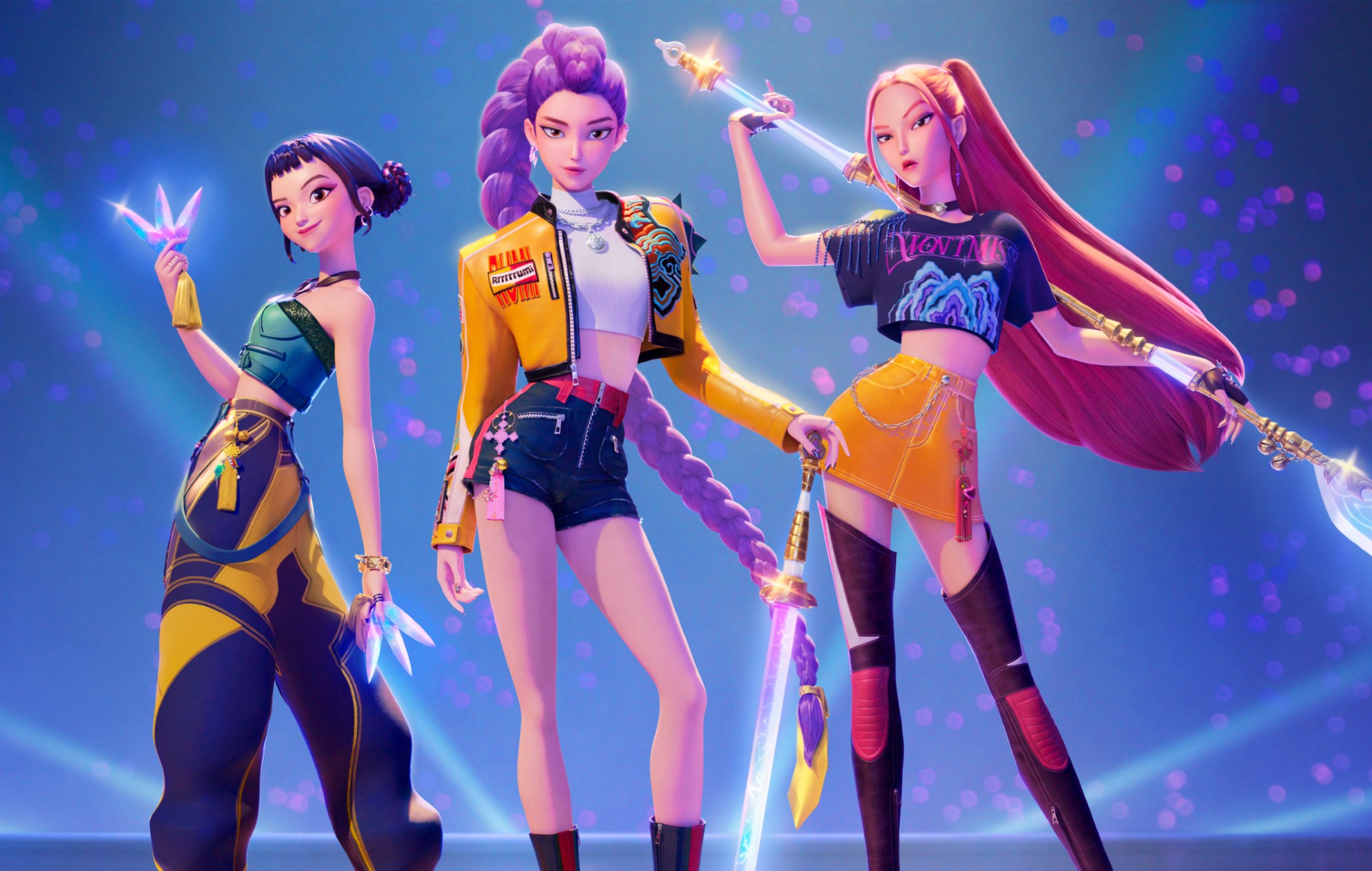
The collection with the most direct appeal for music listeners is the second season of the KPop Demon Hunters Bonus Content catalog, labeled simply as Dance Videos. Clocking in at just under 29 minutes, the release works as an unfiltered study of the project choreography. Viewers watch an animated rehearsal take of the fictional trio HUNTR/X working through their breakout single How It's Done, alongside isolated routines built for Golden, Takedown, and Soda Pop. Isolating the movement in a bright practice studio borrows directly from how modern South Korean entertainment agencies present their rosters, stripping away rapid theatrical cuts so audiences can track every step and formation.
Arriving alongside those rehearsals is KPop Demon Hunters PLAYlist, an episodic companion aimed primarily at younger viewers that landed on November 2. Across 13 episodes and roughly 49 minutes, the project splits into three distinct mini-seasons. The first segment, HUNTR/X Backstage Pass, follows group members Rumi, Mira, and Zoey as they tackle writer's block, negotiate tour schedules, and brush against rival performers and supernatural threats between stops. The second run, titled KPop Toy Creations, uses stop-motion footage to rebuild key sequences from the film using figurines. A final block, Play Games With Us, fills its time with cast challenges, dolls, and plenty of ramyeon.
This steady drip of supplemental material reflects the sheer scale of the audience Netflix collected after the initial movie dropped in June 2025. Since that premiere, the title has surpassed 325 million household streams internationally, supplemented by theatrical runs across global markets. The property quickly moved beyond traditional viewing habits, generating official art books and tie-ins with mobile games. Members of the principal cast even appeared onstage at the BAFTAs this past February to deliver a live rendition of Golden, although the production itself ended up shut out from award contention because of strict theatrical qualification rules.
That level of mainstream visibility has caught even long-standing genre veterans off guard. Kevin Woo, who joined the voice cast as Mystery Saja, a backup singer for the rival outfit Saja Boys, reflected on the response after working within the pop industry since the early 2000s. He noted that while major acts like BTS, BLACKPINK, and Stray Kids had already established historic global footholds for the sound, the animated film managed to introduce its visual habits and production tropes to an entirely new demographic.
These short releases also do heavy lifting for a franchise facing an unusually long hiatus. A full-length cinematic follow-up received an official greenlight roughly twelve months ago, but the completed sequel is not expected to reach theaters or home screens until roughly 2030. Sony executive Damien de Froberville noted earlier this year that the studio intends to examine the narrative background in far greater detail, pointing toward the demon realm, the reality of pop fame, and the fate of Jinu as clear avenues for exploration. With an interactive gaming release also slated for early 2027, the arrival of these rehearsal takes and backstage clips keeps the music alive well before the next chapter arrives.