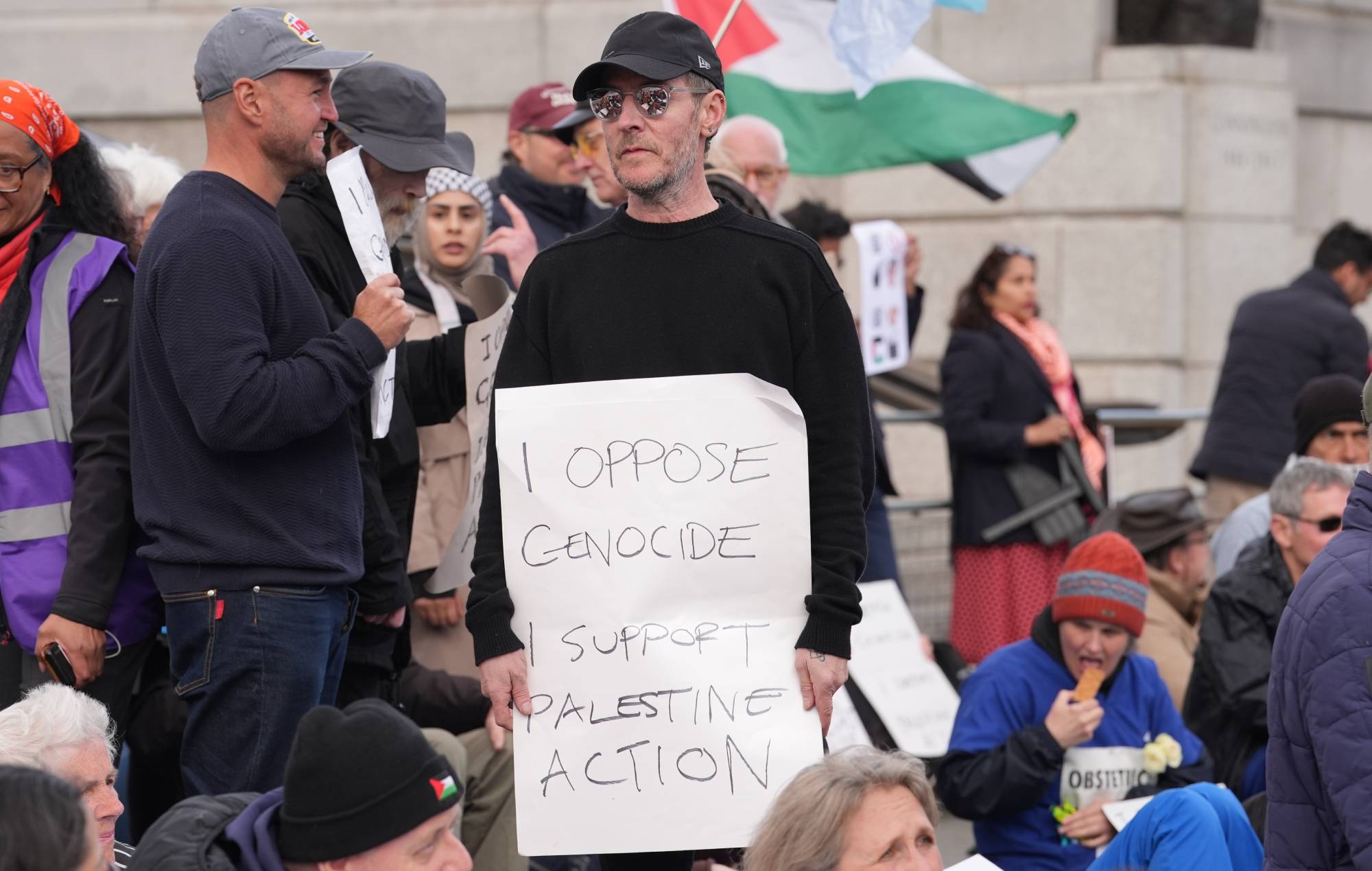
Robert Del Naja has never been the sort of artist to restrict his politics to polite statements or distant endorsements. Outside the Labour Party Conference in Liverpool on September 26, the Massive Attack co-founder found himself in police custody once again. Del Naja, known to many simply as 3D, was taken into custody after sitting on the pavement with a paper sign that stated, "I oppose genocide. I support Palestine Action." It marked the second time officers have detained him over his vocal backing of the direct action network.
The exchange was documented and shared by legal monitoring campaign Defend Our Juries. In the video, officers approach Del Naja as he sits quietly outside the conference centre entrance. An officer tells him that displaying the sign constitutes a criminal offence because Palestine Action remains a banned organisation under the Terrorism Act 2000. When asked if there was any chance he could be persuaded to move away from the area, Del Naja refused to budge. He told police that he did not recognise the offence, arguing that under British law it is illegal to aid or abet any private individual or company linked to genocidal war crimes. Reminded that the government had outlawed the group, Del Naja maintained that he did not agree with the proscription. Officers then arrested him on suspicion of showing support for a proscribed organisation.
The protest was pointedly timed. The Liverpool event marked the first annual gathering of the Labour Party since Andy Burnham took office as Prime Minister in July. Del Naja had already focused his attention on Burnham earlier in the day. Before taking his place on the street, he appeared in a pre-recorded video appeal alongside Palestine Action co-founder Huda Ammori and human rights barrister Michael Mansfield KC. The three urged the Prime Minister to lift the proscription and take the campaign group off the state register of banned organisations.
The confrontation carried added weight because Del Naja and Burnham have previously crossed paths on political campaigns. During 2025, the two appeared on the same platform in support of the Fossil Fuel Non-Proliferation Treaty, an initiative Burnham signed on behalf of Greater Manchester. Del Naja and his Massive Attack bandmates later teamed up with Brian Eno, Thom Yorke, Robert Smith, and more than two hundred fellow musicians to lobby Burnham to reject plans for the Rosebank oil development. That earlier engagement set up a tense contrast on the streets of Liverpool, putting the musician directly in opposition to the man leading the government.
The legal situation surrounding Palestine Action remains contested. The group was outlawed in July 2025 after ministers claimed its direct actions crossed into terrorism through serious property damage, pointing specifically to actions aimed at defence contractors and RAF Brize Norton. A succession of courtroom battles followed. In February, the High Court ruled that the ban was unlawful and disproportionate, a decision welcomed by Massive Attack. That finding was overturned in June when the Court of Appeal ruled that the proscription was lawful. The Supreme Court has since granted limited permission for another challenge, with hearings scheduled for November.
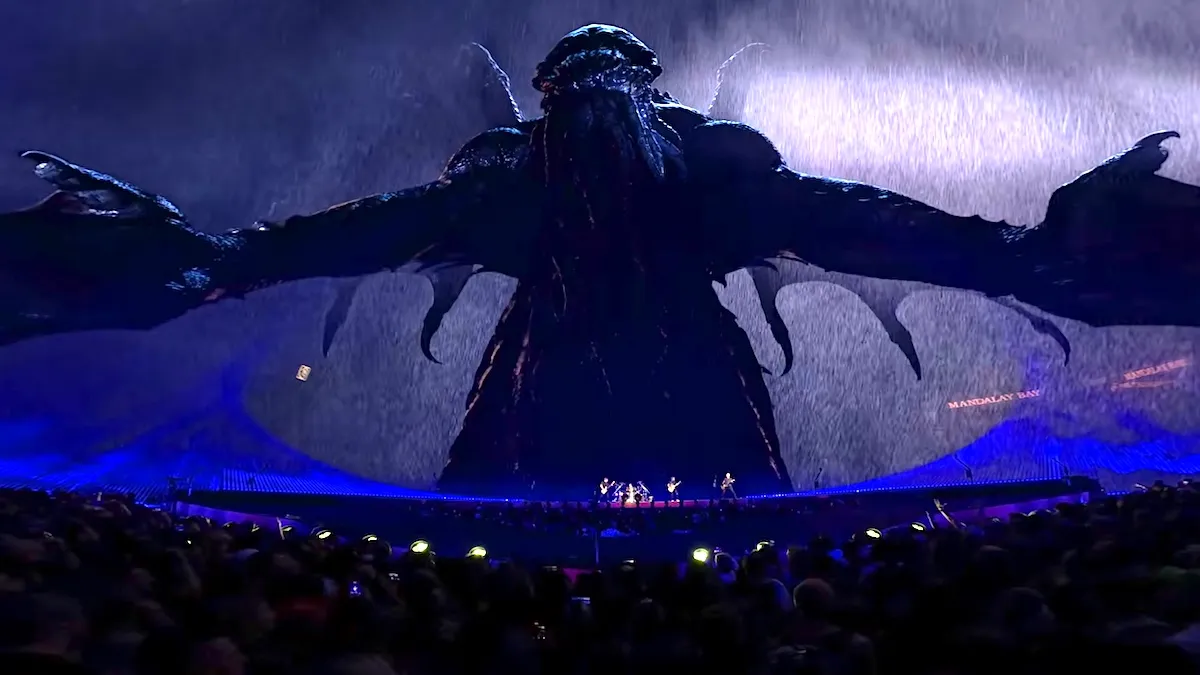
Del Naja's demonstration fits into decades of sustained political positioning from Massive Attack. The Bristol band launched an artist boycott of Israel back in 1999, an uncompromising stance that has sometimes brought complications while touring. Earlier this summer, Singaporean authorities held the group's entire touring entourage after Del Naja and Grant Marshall displayed a Palestinian flag during their concert. Two members of the touring party were subsequently banned from entering Singapore permanently. Massive Attack have also backed the No Music For Genocide campaign alongside Fontaines D.C. and Amyl and the Sniffers, and they openly criticised the decision to drop Macklemore from Ed Sheeran's tour across the United States following the rapper's comments in support of Palestine.
With the Supreme Court preparing to review the government ban in November, Del Naja's arrest ensures the proscription debate remains in plain view. By taking his placard to the pavement in Liverpool, he demonstrated that police warnings and the threat of criminal charges will do little to soften his position.